Get your free personalized podcast brief
We scan new podcasts and send you the top 5 insights daily.
The firm intentionally builds a powerful, public-facing brand so portfolio companies can 'borrow' its force and reputation at critical development points, accelerating their own growth and market presence.

Related Insights
A16z's "big venture" model was based on two core ideas: first, that Marc Andreessen's "Software is Eating the World" thesis would create 10x more viable companies, and second, that founders required a superior VC "product" with platform services that only scale could provide.

A rebrand should be viewed as building the fundamental foundation of a business. Without it, growth attempts are superficial and temporary. With a solid brand, the company has a stable base that can support significant scaling and prevent the business from hitting a growth ceiling.

A top-tier VC's primary value isn't just capital; it's the immediate credibility they lend to a startup that may not have earned it yet. This credibility is then 'harvested' to attract elite talent, future funding, and crucial brand momentum.
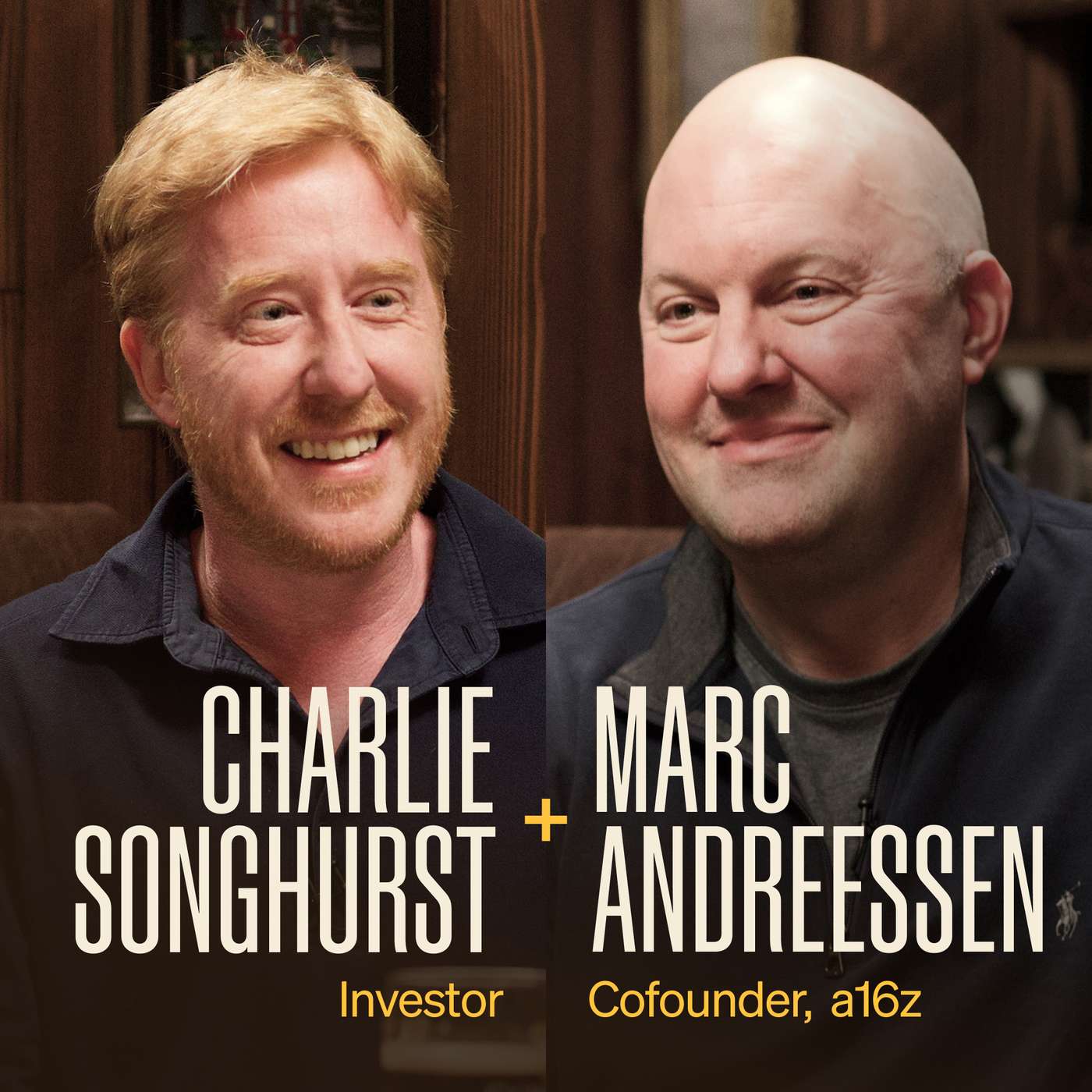
A16Z's transformation from a small, generalist partnership to a large, specialized firm was a deliberate answer to a fundamental industry problem: the traditional partner model doesn't scale for deploying capital and making decisions in today's massive, professionalized venture market.

The firm avoids the pitfalls of scale by organizing into small, autonomous investment groups (e.g., crypto, infra). This design, inspired by early Hewlett-Packard, provides the speed of a small team with the power of a large institution's brand and capital.
The rationale behind backing Flow wasn't an oversight of past issues, but a deliberate strategy to invest in a founder with world-class, "spiking" strengths in brand building and company creation. This aligns with the firm's philosophy of prioritizing extreme strengths over a lack of weaknesses.
The firm's long-term strategy, established from day one, is to compound reputation above all else. Their primary competitive moat is built on what entrepreneurs say about them compared to other VCs, a standard they apply to every interaction.
As technology automates tasks and large firms optimize financials, the one thing they cannot easily replicate is a genuine, resonant brand. This emotional connection becomes the key competitive advantage for smaller players, allowing them to "upset" larger, better-funded competitors.

The firm's structure is a psychological tool. It gives founders access to an otherwise inaccessible network, creating small wins that build confidence. This prevents the 'vicious confidence spiral' caused by bad advice and slow progress, enabling faster, bolder decision-making.
The firm targets markets structured like the famous movie scene: first place wins big, second gets little, and third fails. They believe most tech markets, even B2B SaaS without network effects, concentrate value in the #1 player, making leadership essential for outsized returns.