Get your free personalized podcast brief
We scan new podcasts and send you the top 5 insights daily.
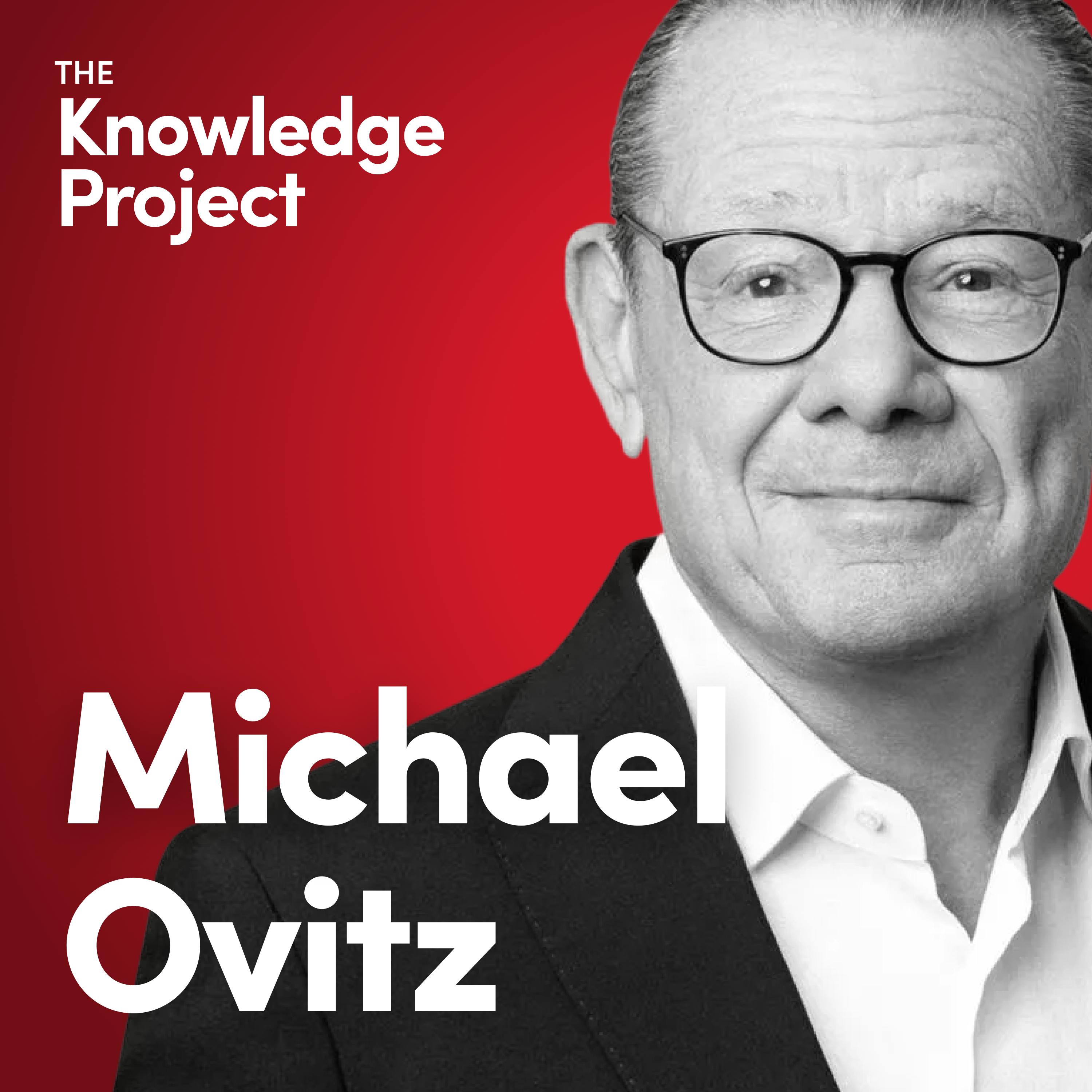
Marc Andreessen and Ben Horowitz told Michael Ovitz that his work—packaging talent, ideas, and capital—was functionally identical to their work in venture capital. This reveals a universal pattern for creating value across different industries.
Related Insights
A16z's decision to add Hollywood agent Michael Ovitz to their board was controversial but genius. It directly led to modeling the firm after Creative Artists Agency (CAA), a novel approach in venture capital. This shows the power of seeking board-level expertise from outside your industry to challenge core assumptions and unlock game-changing strategies.

Horowitz frames his 30-year partnership with Andreessen using a music analogy. Andreessen is the generational 'star talent' (Michael Jackson), while Horowitz is the producer (Quincy Jones) who creates the environment, team, and structure to maximize that talent. This highlights a powerful model for complementary co-founder relationships.

Their dynamic involves Andreessen generating a high volume of ideas for the firm's direction. Horowitz, being more decisive by nature, plays the crucial role of filtering and committing the firm to a specific path, preventing open-ended exploration from stalling progress.

A top-tier VC's primary value isn't just capital; it's the immediate credibility they lend to a startup that may not have earned it yet. This credibility is then 'harvested' to attract elite talent, future funding, and crucial brand momentum.
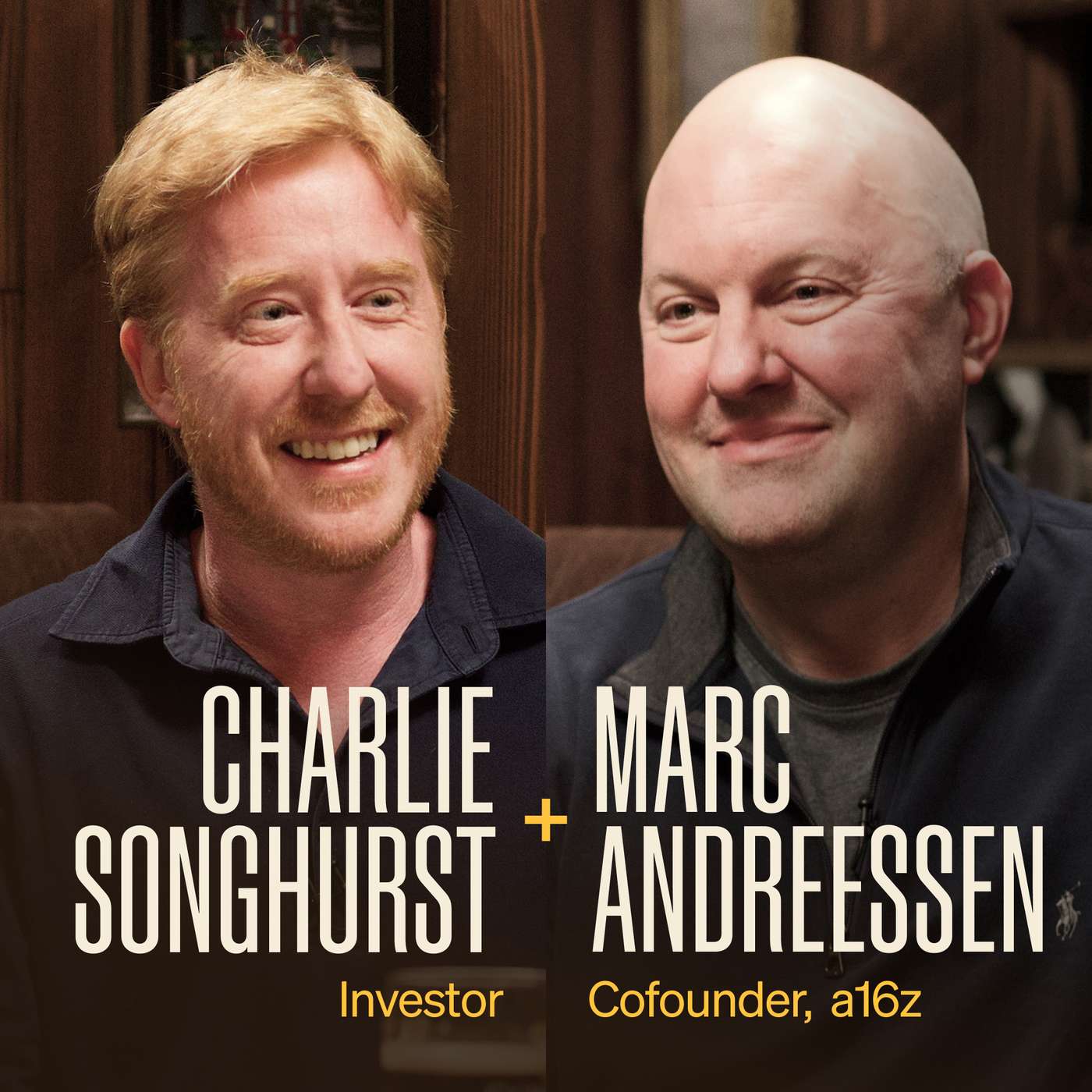
Horowitz compares their partnership to the iconic music duo. Andreessen is the rare, star talent ("Michael Jackson"), while Horowitz's strength is creating the structure and surrounding Andreessen with people and ideas to maximize his impact ("Quincy Jones").
Drawing an analogy to legendary music producer Rick Rubin, an investor's role is to help a founder find the most authentic and compelling version of their own story. The goal is not to invent a narrative, but to draw out the founder's core truth and channel it through their company.

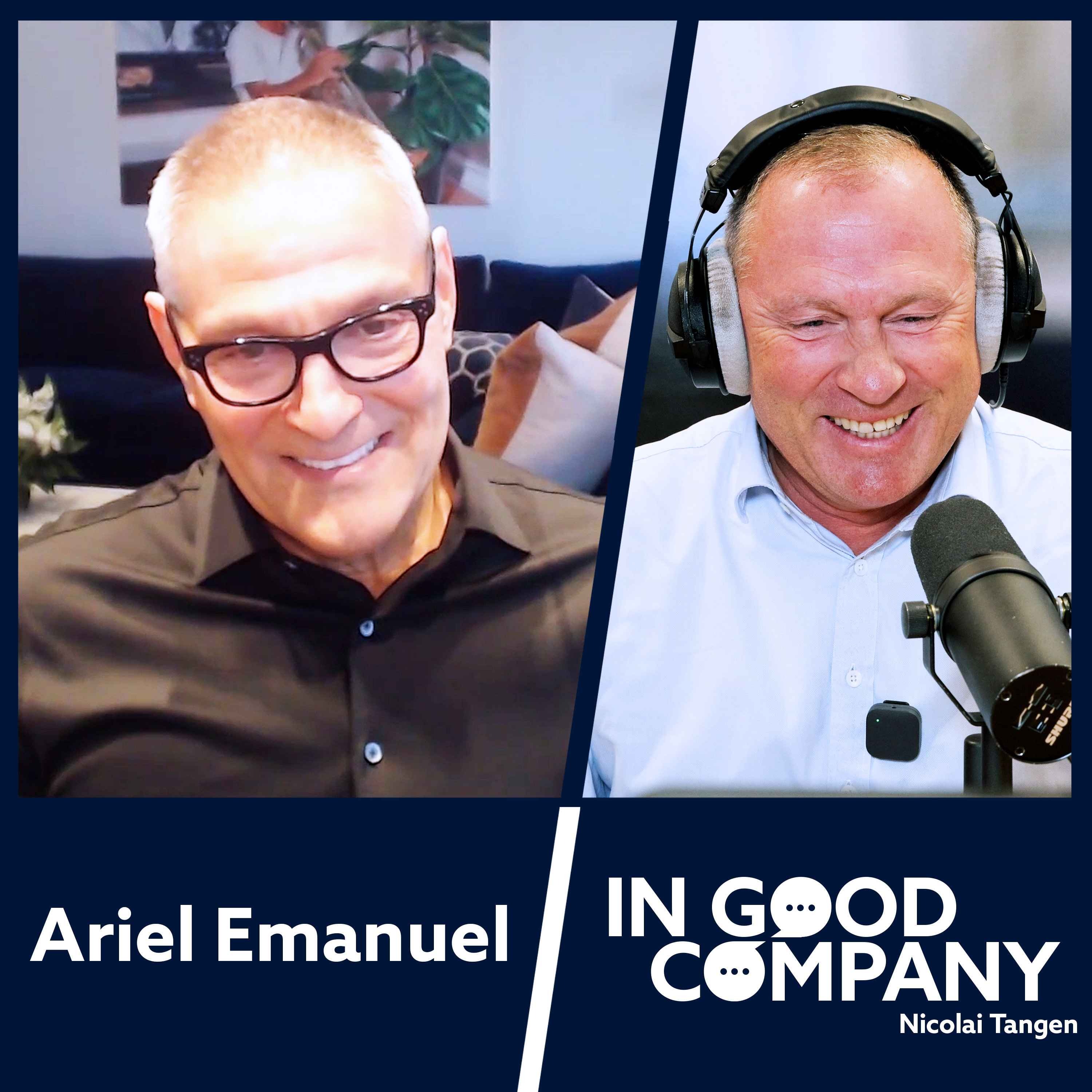
Ari Emanuel argues the agent's role has fundamentally shifted. Instead of just connecting talent to projects, agencies like Endeavor now assemble the entire creative package—writers, directors, actors—and present it to distributors. This moves the core creative assembly power from studios to full-service agencies.
A biotech investor's role mirrors that of a record producer by identifying brilliant talent (scientists) who may lack commercial experience. The investor provides the capital, structure, and guidance needed to translate raw scientific innovation into a commercially successful product.

To break into the VC oligopoly, Andreessen Horowitz differentiated itself by building a firm as a "product" for entrepreneurs. They focused on providing the network, knowledge, and support founders needed to become CEOs, a service incumbent VCs were not structured to offer.
![Ben Horowitz - Backing America’s Future - [Invest Like the Best, EP.457] thumbnail](https://megaphone.imgix.net/podcasts/9505619a-009e-11f1-869d-c7d5bc43b194/image/83257eb514e1fd42513d2e46eeb4e9dd.jpg?ixlib=rails-4.3.1&max-w=3000&max-h=3000&fit=crop&auto=format,compress)
An investor's career journey from 'cool' industries like film financing to 'boring' ones like construction software reveals a core truth: the fundamental principles of building a business are consistent across all sectors. Passion for innovation and business models, not industry hype, uncovers the best opportunities.