Get your free personalized podcast brief
We scan new podcasts and send you the top 5 insights daily.
Despite immense pressure from market trends like high-protein, keto, and paleo diets, Bobo's deliberately chose not to chase them. This discipline preserved their core brand identity as a simple, wholesome, baked good, aiming for longevity over short-term trend-chasing.

Related Insights
When considering adding protein powder to its classic pecan log roll, Stuckey's was advised against it. For a heritage brand, changing a beloved recipe to chase a trend risks alienating its core audience and losing authenticity. Like Stacey's Pita Chips refusing to make a gluten-free version, some products should remain true to their original form.
Hedley & Bennett aims to be the next Le Creuset by making decisions that foster generational loyalty. This means prioritizing brand integrity and customer relationships over immediate financial gains, ensuring the brand becomes associated with core memories like Thanksgiving, not just fleeting trends.
Despite running a company with a near $2 billion valuation, Olipop's CEO Ben Goodwin personally formulates every flavor. He views this hands-on work not as a hobby, but as his most direct and unfiltered expression to customers, ensuring the product quality that underpins the brand's success.

The founder intentionally avoids tracking competitors, believing it leads to imitation and dilutes his unique brand identity. He compares it to a race: looking sideways slows you down. This focus on his own lane ensures the brand remains differentiated and authentic rather than reactive.
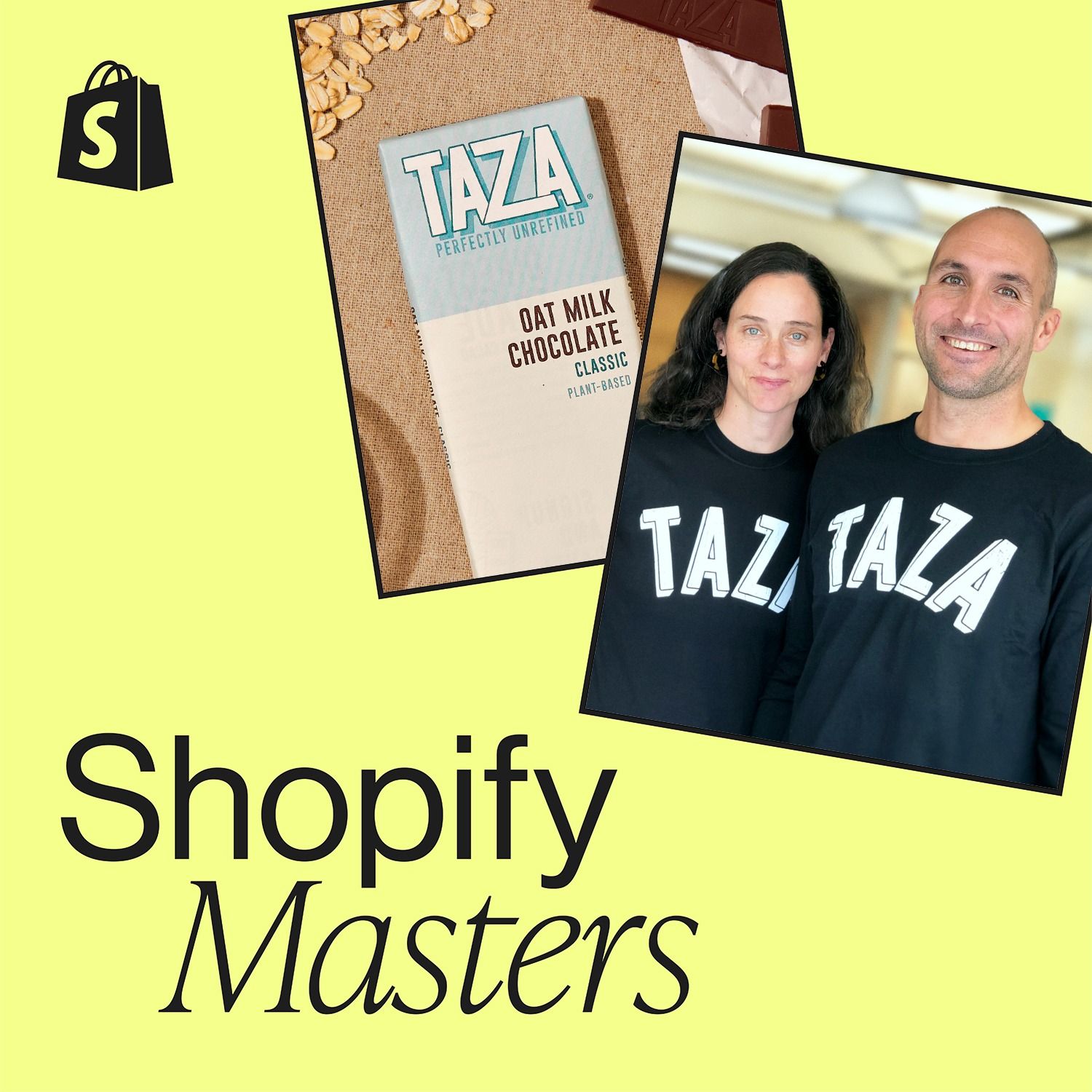
Taza's founders established a mission and core values like "True Grit" and "Seriously Bold" at the very beginning. They attribute their longevity and ability to navigate crises directly to these principles, noting that their biggest business stumbles happened whenever they deviated from this North Star.
Brands perceived as "corny" or "outdated" can be highly successful. They cater to a massive, loyal market that tastemakers and the "chattering class" often ignore, proving that broad appeal can be more profitable than being "cool."
Taza's attempts to go mass-market with lower prices or "fun flavors" failed. They found success by listening to their core customers who wanted intense cacao flavor. Their #1 selling product, a 95% dark bar, proved the value of doubling down on their super-niche identity.
Taza avoided dairy and gluten not for a market trend, but to simplify a complex manufacturing process. This early operational decision inadvertently positioned them perfectly for the future rise of vegan and allergen-free consumer demands, creating a long-term competitive advantage they didn't foresee.
Taza resisted the huge trend of sugar-free chocolate because they couldn't create a version that met their high flavor standards. By refusing to compromise their core product principles, they maintained brand integrity, which was validated when consumer preference swung back to "real" ingredients.
Instead of reformulating its classic pecan log roll, Stuckey's should reframe it for a modern audience. By calling it "America's first protein bar," it connects the product's inherent, historical quality (pecans as a protein source) to the current consumer focus on plant-based protein, making it relevant without changing the recipe.