Get your free personalized podcast brief
We scan new podcasts and send you the top 5 insights daily.
When considering adding protein powder to its classic pecan log roll, Stuckey's was advised against it. For a heritage brand, changing a beloved recipe to chase a trend risks alienating its core audience and losing authenticity. Like Stacey's Pita Chips refusing to make a gluten-free version, some products should remain true to their original form.

Related Insights
A brand's history is a valuable asset. The most powerful ideas for future growth are often rooted in the brand's 'archaeology.' Reviving timeless concepts, like the Pepsi Taste Challenge, and making them culturally relevant today is often more effective than chasing novelty.

Despite running a company with a near $2 billion valuation, Olipop's CEO Ben Goodwin personally formulates every flavor. He views this hands-on work not as a hobby, but as his most direct and unfiltered expression to customers, ensuring the product quality that underpins the brand's success.

Enduring 'stay-up' brands don't need to fundamentally reinvent their core product. Instead, they should focus on creating opportunities for consumers to 'reappraise' the brand in a current context. The goal is to make the familiar feel fresh and relevant again, connecting it to modern culture.
Stuckey's, a nostalgic snack brand, wants to appeal to a new generation. The counterintuitive advice is to first double down on its existing, older customer base that already has brand recognition. Tapping out this core market is a more efficient first step than building awareness from scratch with a new demographic.
Brands must identify their non-negotiable "soul"—the central promise to customers. Cracker Barrel's logo change failed because it altered its core promise of "southern hospitality," breaking customer trust. Evolving is crucial, but changing the core is a mistake. Reversing such a change is smart brand stewardship, not capitulation.

Inspired by protein brand David Bars selling frozen cod, Stuckey's could create a strange product like pecan nut milk. The goal isn't to build a new revenue stream, but to generate conversation and press as a marketing tool, driving attention back to the core brand and its key attributes.
Persisting with a difficult, authentic, and more expensive production process, like using fresh ingredients instead of flavorings, is not a liability. It is the very thing that builds a long-term competitive advantage and a defensible brand story that copycats cannot easily replicate.
The first step in reviving a heritage brand like Chili's is to deeply research its history, founders, and original essence. This historical foundation provides the authentic DNA needed to build a relevant modern brand positioning, rather than inventing something new.

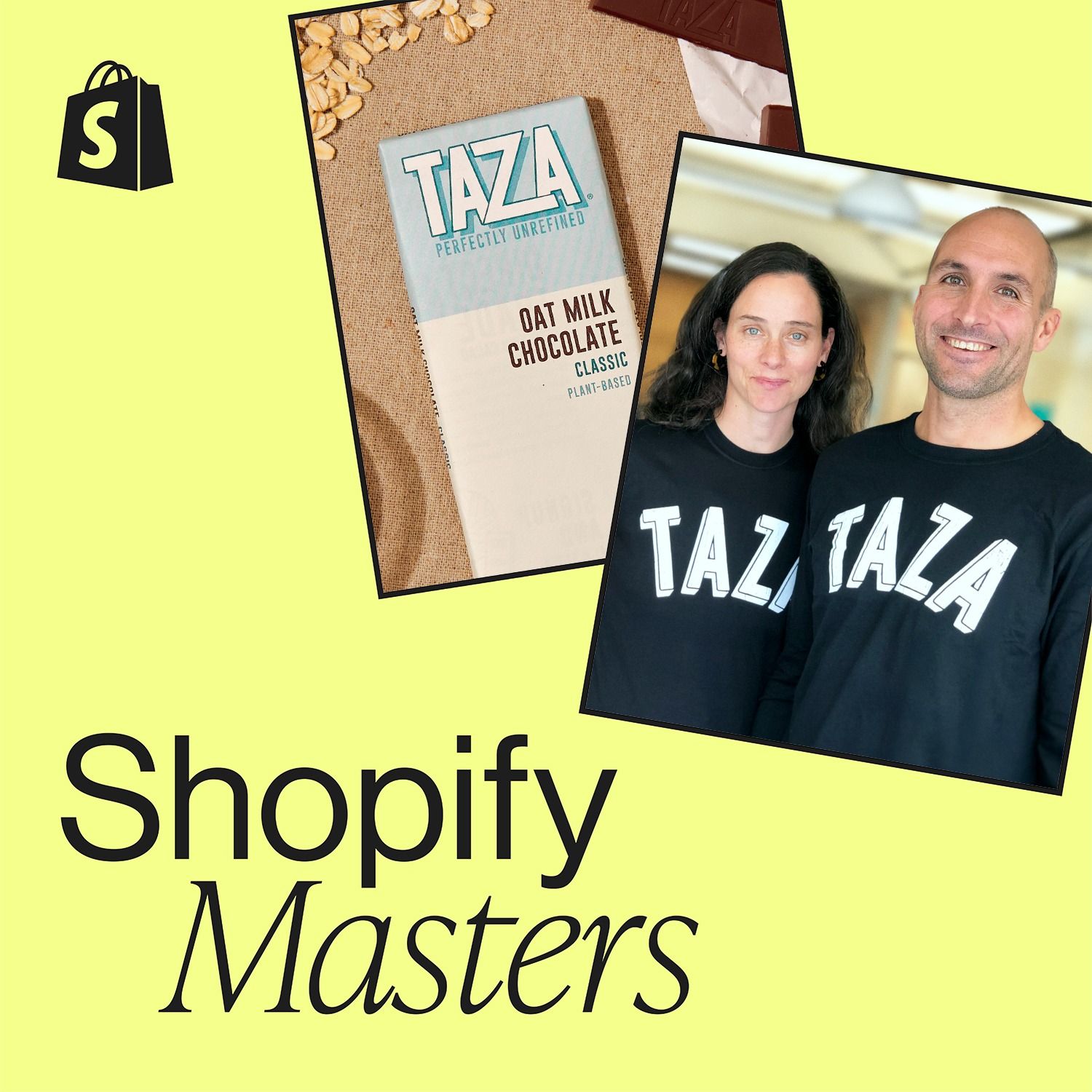
Taza resisted the huge trend of sugar-free chocolate because they couldn't create a version that met their high flavor standards. By refusing to compromise their core product principles, they maintained brand integrity, which was validated when consumer preference swung back to "real" ingredients.
Instead of reformulating its classic pecan log roll, Stuckey's should reframe it for a modern audience. By calling it "America's first protein bar," it connects the product's inherent, historical quality (pecans as a protein source) to the current consumer focus on plant-based protein, making it relevant without changing the recipe.