Get your free personalized podcast brief
We scan new podcasts and send you the top 5 insights daily.
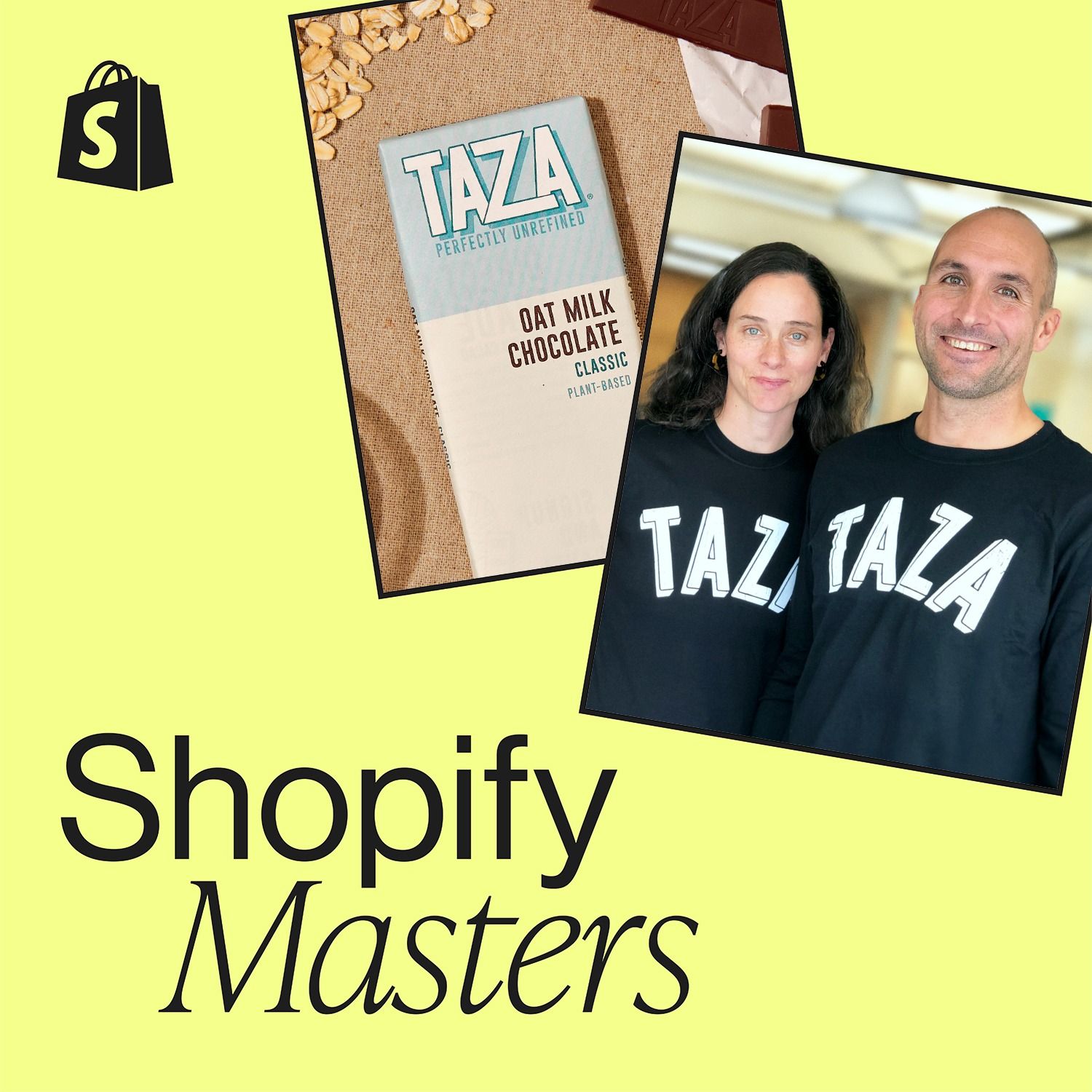
Taza's founders established a mission and core values like "True Grit" and "Seriously Bold" at the very beginning. They attribute their longevity and ability to navigate crises directly to these principles, noting that their biggest business stumbles happened whenever they deviated from this North Star.
Related Insights
The most successful founders, like Koenigsegg, say the same things on day one as they do 20 years later. Their success comes not from pivoting, but from the relentless, decades-long execution of a single, powerful vision. This unwavering consistency compounds into a massive competitive advantage and defines the company's character.

In a market dominated by corporations, Taza found a defensible niche by making a "polarizing" stone-ground chocolate. This strategy of appealing intensely to a core group, rather than pleasing the mass market, was key to their survival and success as a small business.
A strategy defined only by the current product and target audience is brittle and fails to guide future development. A more holistic strategy is built on the company's underlying ethos, or 'how we do things.' This ethos provides a durable foundation for future product and marketing decisions.

Instead of chasing trends or pivoting every few weeks, founders should focus on a singular mission that stems from their unique expertise and conviction. This approach builds durable, meaningful companies rather than simply chasing valuations.

Taza's attempts to go mass-market with lower prices or "fun flavors" failed. They found success by listening to their core customers who wanted intense cacao flavor. Their #1 selling product, a 95% dark bar, proved the value of doubling down on their super-niche identity.
Taza resisted the huge trend of sugar-free chocolate because they couldn't create a version that met their high flavor standards. By refusing to compromise their core product principles, they maintained brand integrity, which was validated when consumer preference swung back to "real" ingredients.
A sustainable competitive advantage is often rooted in a company's culture. When core values are directly aligned with what gives a company its market edge (e.g., Costco's employee focus driving superior retail service), the moat becomes incredibly difficult for competitors to replicate.
![[REPLAY] Paul Black - Gratitude, Fun, and Growth Stocks (Capital Allocators, EP.51) thumbnail](https://static.libsyn.com/p/assets/f/b/7/6/fb76e1c8bfb69e8dd959afa2a1bf1c87/CA_Square_logo_light_background_6.26.24.jpg)
Taza pioneered "Direct Trade Cacao" but instead of guarding it as a trade secret, they openly shared the model. This encouraged competitors to adopt similar ethical sourcing practices, which helped build consumer trust and grow the entire premium chocolate market, benefiting Taza as a market leader.