Get your free personalized podcast brief
We scan new podcasts and send you the top 5 insights daily.
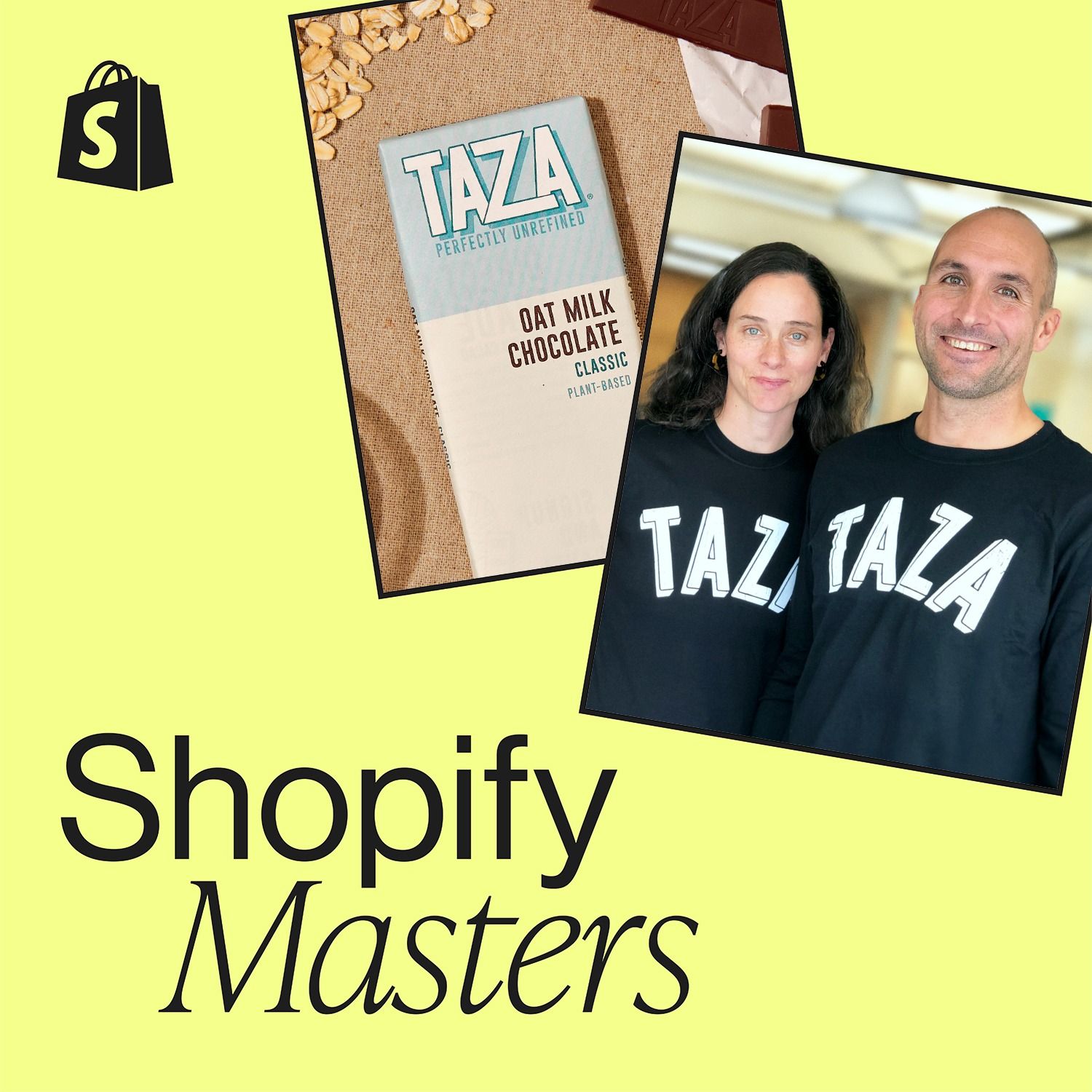
Taza's attempts to go mass-market with lower prices or "fun flavors" failed. They found success by listening to their core customers who wanted intense cacao flavor. Their #1 selling product, a 95% dark bar, proved the value of doubling down on their super-niche identity.
Related Insights
Founders often mistakenly start with low-margin, mass-market products (the "save the whales" syndrome), which makes the business look damaged. A better strategy is to start at the high end with less price-sensitive customers. This builds a premium brand and generates the capital required to address the broader market later.

In a market dominated by corporations, Taza found a defensible niche by making a "polarizing" stone-ground chocolate. This strategy of appealing intensely to a core group, rather than pleasing the mass market, was key to their survival and success as a small business.
Taza's founders established a mission and core values like "True Grit" and "Seriously Bold" at the very beginning. They attribute their longevity and ability to navigate crises directly to these principles, noting that their biggest business stumbles happened whenever they deviated from this North Star.
Instead of viewing niching as restricting business, adopt the "FOCUS" mindset: Fix One Clearly Urgent Struggle. This forces you to solve a high-value problem for a specific audience, which positions you as a category of one, much like the water brand Liquid Death.

Persisting with a difficult, authentic, and more expensive production process, like using fresh ingredients instead of flavorings, is not a liability. It is the very thing that builds a long-term competitive advantage and a defensible brand story that copycats cannot easily replicate.

Canva's success wasn't from targeting competitors but from identifying a real market gap through their first niche product (a yearbook tool). When users asked to use the tool for newsletters, it validated a larger, unsolved pain point that Canva then focused on exclusively.

Taza avoided dairy and gluten not for a market trend, but to simplify a complex manufacturing process. This early operational decision inadvertently positioned them perfectly for the future rise of vegan and allergen-free consumer demands, creating a long-term competitive advantage they didn't foresee.
Taza resisted the huge trend of sugar-free chocolate because they couldn't create a version that met their high flavor standards. By refusing to compromise their core product principles, they maintained brand integrity, which was validated when consumer preference swung back to "real" ingredients.
Counterintuitively, focusing on a single, powerful SKU can be more effective for initial growth than launching a full product line. It simplifies your message, makes you attractive to distributors who value efficiency, and builds a strong customer base before you introduce new offerings.
Taza pioneered "Direct Trade Cacao" but instead of guarding it as a trade secret, they openly shared the model. This encouraged competitors to adopt similar ethical sourcing practices, which helped build consumer trust and grow the entire premium chocolate market, benefiting Taza as a market leader.