Get your free personalized podcast brief
We scan new podcasts and send you the top 5 insights daily.
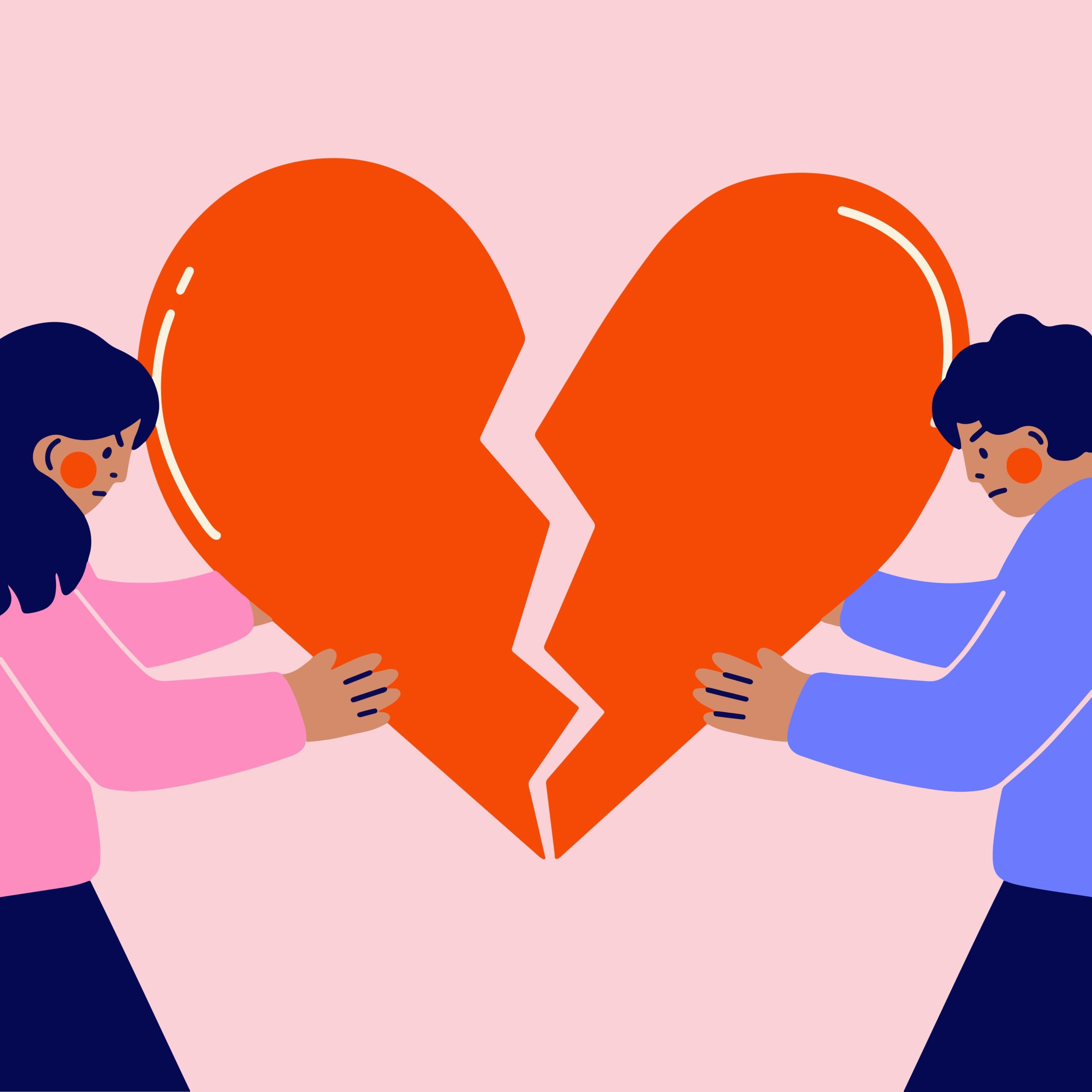
People stay in unhappy relationships fearing they won't find someone better. The correct mental comparison isn't between your current partner and a hypothetical future one, but between your current misery and the potential happiness you could find on your own.

Related Insights
Relationship satisfaction can be improved with small cognitive shifts called "love hacks." These involve changing one's internal narrative rather than external realities, such as adopting a "growth mindset" about compatibility or reinterpreting a partner's negative behavior more charitably (e.g., as situational rather than characterological).

This thought experiment bypasses the fear and logistical pain of initiating a breakup. If you could wake up tomorrow and the relationship was simply over without any conflict, would you feel relief or regret? The answer reveals your true feelings about being with the person, separate from the process of leaving.
Insisting a partner must change for you to be happy creates a state of "self-justifying passivity." You become trapped waiting for them, rather than reclaiming your power to improve the relationship by being the one who moves first towards understanding.
The objective of being single should be reframed. Instead of passively searching for 'the one,' the focus should be on active self-improvement and healing. This period is a foundation-building phase to ensure you are truly ready when the right person comes along.

Low standards in relationships often stem from a deep-seated fear of being alone, causing people to settle. Conversely, genuinely high standards are not about being demanding but are a natural result of being at peace with yourself and your own company.
The search for a 'perfect' partner is futile. Like an entrepreneur choosing a business, find someone who ticks the essential boxes and then commit to building something great together. An extraordinary relationship isn't found; it's created through sustained effort with a well-chosen partner.

People stay in bad situations by numbing themselves to current pain. To break free, vividly imagine the future: how much worse will this pain be in one, five, or ten years? Contrasting this amplified suffering with the feeling of freedom makes the choice to leave clear.

People often know a relationship is over long before they leave. The awareness that it's wrong is distinct from the motivation to act. Leaving requires high 'activation energy' (emotional turmoil, logistics) which battles powerful cognitive biases like sunk cost, loss aversion, and status quo bias.
The success of a long-term relationship is better predicted by how partners handle conflict and disagreement than by how much they enjoy good times together. People are more likely to break up due to poor conflict resolution than a lack of peak experiences.
A relationship is not the key to personal happiness; it should be an expansion of it. You must first become a healthy, whole person on your own. Seeking a relationship to fix your problems is a flawed premise, as two dysfunctional people coming together only creates more dysfunction.