Get your free personalized podcast brief
We scan new podcasts and send you the top 5 insights daily.
Wyatt McDonnell identifies stubbornness and a high degree of curiosity as critical for founders. He believes founders must hold strong convictions to push through adversity, yet remain curious and open enough to change their minds quickly in response to new evidence, striking a balance between unwavering belief and adaptability.

Related Insights
Biotech is fraught with failure. A CEO's most important function is to embody an 'irrational belief' they will succeed against all odds. This conviction is a strategic tool for recruiting great people and motivating the team to overcome countless hurdles by focusing on the single reason it will work.

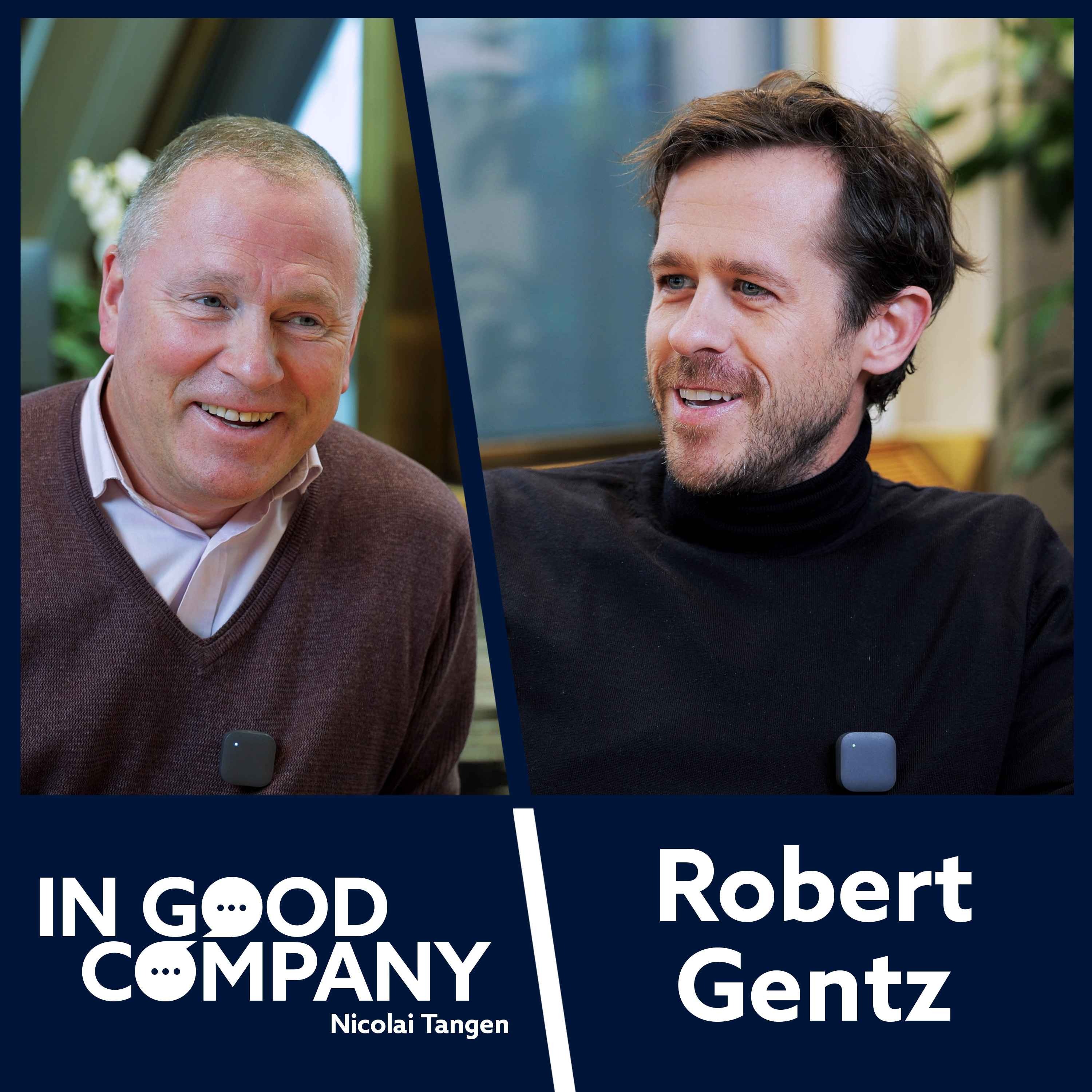
After 17 years, Zalando's co-founder believes the key traits for founders are curiosity and humility. Curiosity enables learning from everyone and making good decisions, while humility ensures respect for challenges and prevents overconfidence from past successes.
While grit is important, being pulled along by genuine curiosity is a more sustainable motivator than relying on willpower to push through rough patches. This innate drive to explore and learn prevents burnout and leads to discovering novel business opportunities without feeling like a constant struggle.

A founder must simultaneously project unwavering confidence to rally teams and investors, while privately remaining open to any evidence that they are completely wrong. This conflicting mindset is essential for navigating the uncertainty of building a startup.

Top founders balance strong vision with flexibility. The mantra "strong opinions, loosely held" is key. While passionate, they aren't so married to their initial idea that ego prevents them from pivoting when faced with evidence of failure. This agility is crucial for survival, especially in early stages.

Beyond table stakes like hunger and vision, the most successful founders exhibit deep empathy ("people gene"), curiosity, and high emotional intelligence. They are secure, know their weaknesses, and often have a background in team sports, understanding that company building is a team effort.

Successful founders passionately defend their vision while simultaneously processing tough questions without defensiveness. This balance allows them to navigate the 'idea maze' effectively, learning and adapting as they go.

While thoughtful, listening founders typically outperform arrogant ones, some level of 'bullheadedness' is essential for survival. Entrepreneurship requires a blend of stubborn persistence to even start and the humility to listen and adapt along the way to scale successfully.

While optimism is often cited as a key founder trait, relentless curiosity and pure tenacity are more critical for survival. The drive to learn every part of the business and the willingness to work through problems past the point of pain are the ingredients that allow leaders to tackle existential challenges.

The most successful founders rarely get the solution right on their first attempt. Their strength lies in persistence combined with adaptability. They treat their initial ideas as hypotheses, take in new data, and are willing to change their approach repeatedly to find what works.
