Get your free personalized podcast brief
We scan new podcasts and send you the top 5 insights daily.
While optimism is often cited as a key founder trait, relentless curiosity and pure tenacity are more critical for survival. The drive to learn every part of the business and the willingness to work through problems past the point of pain are the ingredients that allow leaders to tackle existential challenges.

Related Insights
In large companies, a setback means moving to the next project. In a startup, a setback forces a leader to fundamentally re-evaluate the company's mission and survival. The critical difference in leadership is not just resource management but the ability to navigate these existential pivots successfully.

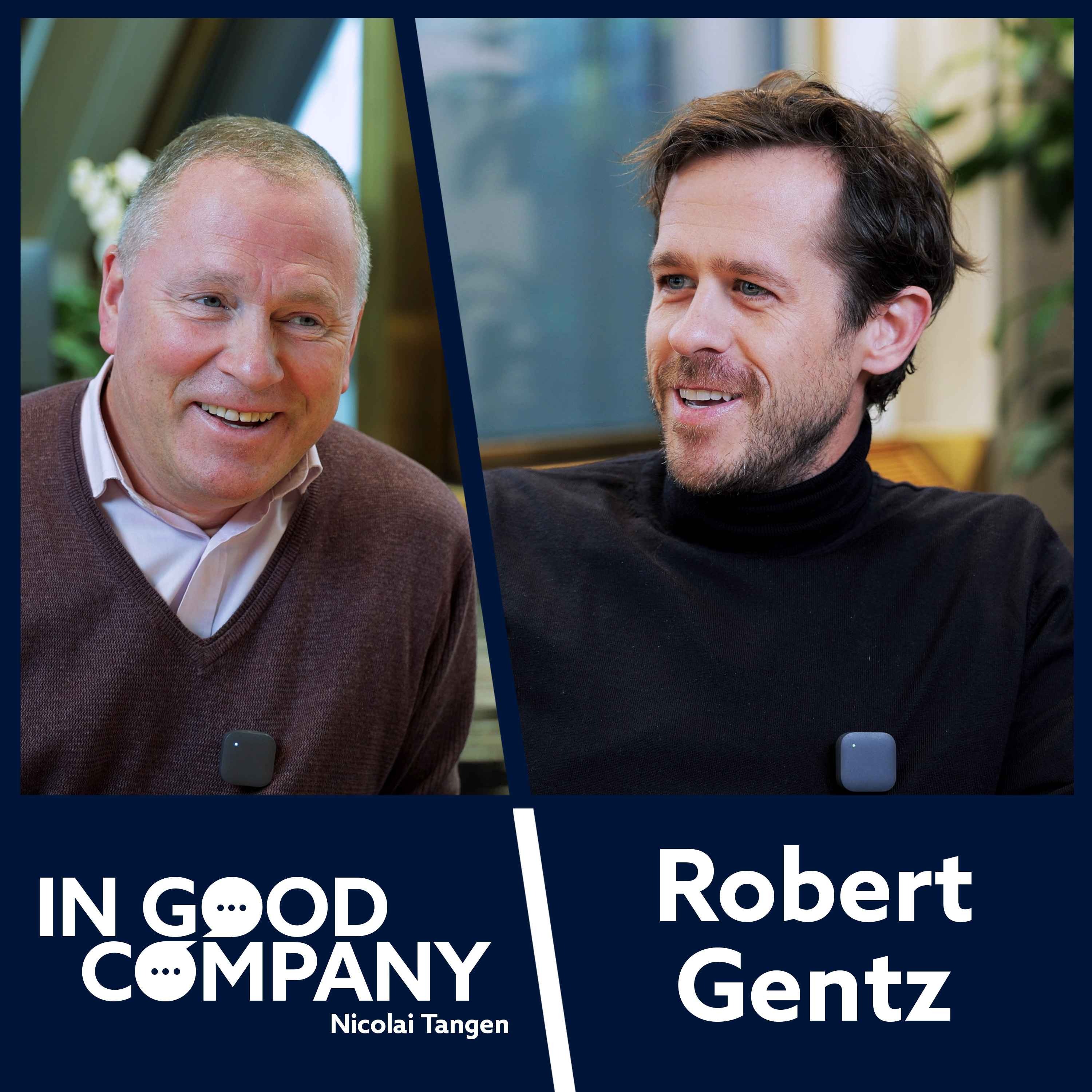
After 17 years, Zalando's co-founder believes the key traits for founders are curiosity and humility. Curiosity enables learning from everyone and making good decisions, while humility ensures respect for challenges and prevents overconfidence from past successes.
While grit is important, being pulled along by genuine curiosity is a more sustainable motivator than relying on willpower to push through rough patches. This innate drive to explore and learn prevents burnout and leads to discovering novel business opportunities without feeling like a constant struggle.

While scientific acumen is valuable, the most critical trait for a biotech CEO is perseverance. The role involves weathering constant challenges where everyone—the board, investors, employees—can seem to be against you. An unwavering focus on the patient mission is essential to push through.

Zalando's co-founder, Robert Gentz, believes curiosity and humility are the most critical leadership traits. Curiosity enables learning from everyone to make better decisions. Humility ensures a founder respects upcoming challenges and acknowledges that past success does not guarantee future victories, which is vital for long-term navigation.

Beyond table stakes like hunger and vision, the most successful founders exhibit deep empathy ("people gene"), curiosity, and high emotional intelligence. They are secure, know their weaknesses, and often have a background in team sports, understanding that company building is a team effort.

Successful founders passionately defend their vision while simultaneously processing tough questions without defensiveness. This balance allows them to navigate the 'idea maze' effectively, learning and adapting as they go.

The common trope of the risk-loving founder is a myth. A more accurate trait is a high tolerance for ambiguity and the ability to make decisions with incomplete information. This is about managing uncertainty strategically, not consistently making high-stakes bets that endanger the entire enterprise.
Success at the leadership level requires a developed tolerance for pressure and uncertainty—a skill the CEO calls a 'stomach' for it. This resilience is a distinct capability, and its absence can cause even the most intelligent and talented individuals to fail under pressure, making it a crucial trait for high-stakes roles.

The most successful founders rarely get the solution right on their first attempt. Their strength lies in persistence combined with adaptability. They treat their initial ideas as hypotheses, take in new data, and are willing to change their approach repeatedly to find what works.
