Get your free personalized podcast brief
We scan new podcasts and send you the top 5 insights daily.
Top founders balance strong vision with flexibility. The mantra "strong opinions, loosely held" is key. While passionate, they aren't so married to their initial idea that ego prevents them from pivoting when faced with evidence of failure. This agility is crucial for survival, especially in early stages.

Related Insights
The job of an early founder isn't to be right, but to discover the truth about the market. This requires shipping imperfect products quickly to test assumptions, gathering harsh feedback, and being humble enough to accept when you are wrong.

A common trait among great founders is their ability to listen and engage on any topic, even in areas where they are the expert. They absorb outside perspectives from everyone, including those less skilled, and incorporate that feedback to arrive at better solutions.

Based on a Paul Graham essay, this key distinction separates successful founders from those who fail. Persistent founders are flexible on tactics but relentless on their vision. Obstinate founders rigidly follow their first, least-informed ideas, unable to adapt as they gather new data.

A founder must simultaneously project unwavering confidence to rally teams and investors, while privately remaining open to any evidence that they are completely wrong. This conflicting mindset is essential for navigating the uncertainty of building a startup.

Successful founders passionately defend their vision while simultaneously processing tough questions without defensiveness. This balance allows them to navigate the 'idea maze' effectively, learning and adapting as they go.
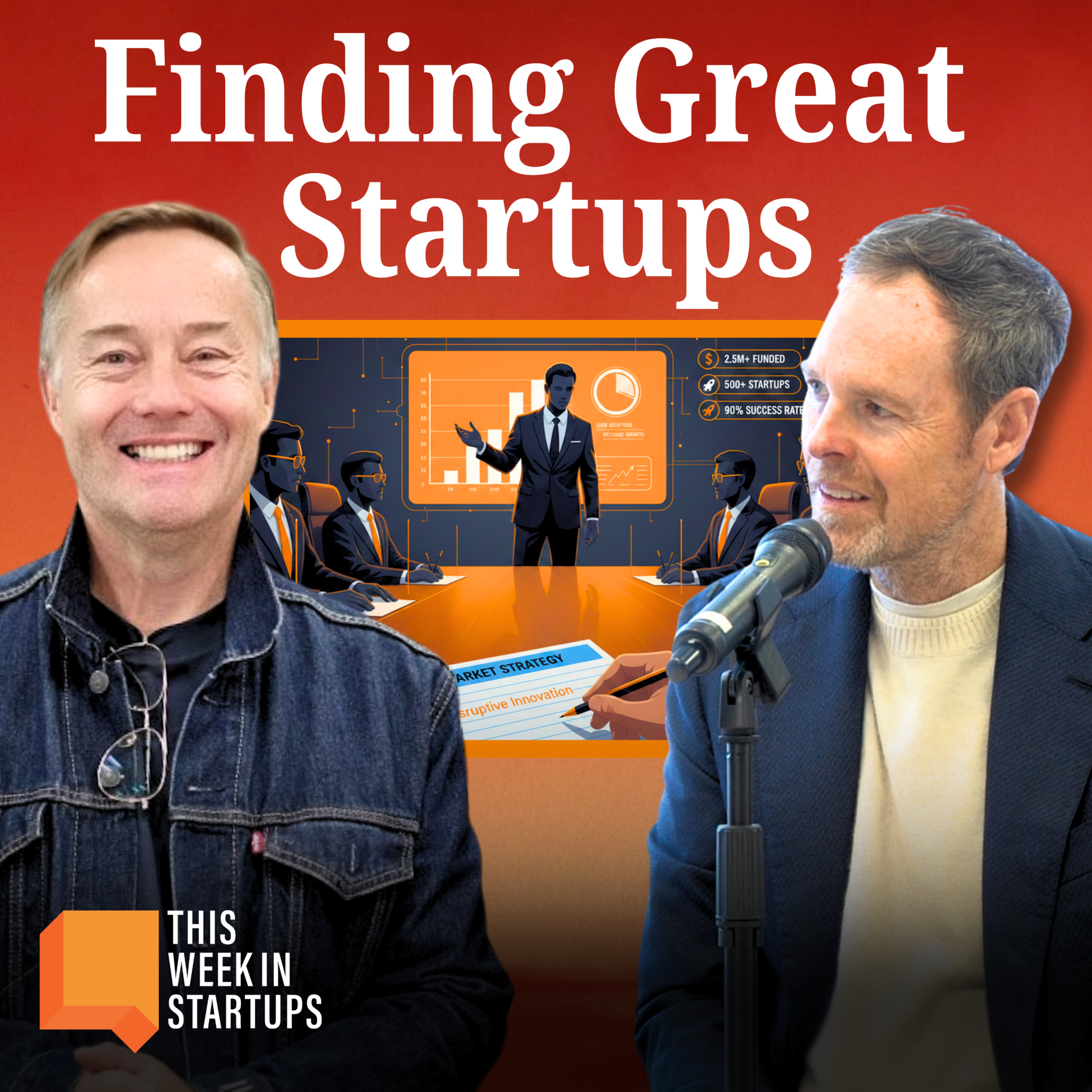
While thoughtful, listening founders typically outperform arrogant ones, some level of 'bullheadedness' is essential for survival. Entrepreneurship requires a blend of stubborn persistence to even start and the humility to listen and adapt along the way to scale successfully.
A key pattern among founders who fail is a refusal to accept unmovable realities, such as market dynamics. Instead of adapting, they try to change fundamental truths. Successful founders, in contrast, are truth-seekers who figure out how to work with or around constraints.

The most successful founders rarely get the solution right on their first attempt. Their strength lies in persistence combined with adaptability. They treat their initial ideas as hypotheses, take in new data, and are willing to change their approach repeatedly to find what works.
Successful people with unconventional paths ('dark horses') avoid rigid five or ten-year plans. Like early-stage founders, they focus on making the best immediate choice that aligns with their fulfillment, maintaining the agility to pivot. This iterative approach consistently outperforms fixed, long-term roadmaps.
According to Mark Pincus, the hardest test of a founder's courage isn't standing against the world, but standing against their own team and investors. It requires the intellectual honesty to admit a promised direction was wrong and pivot, even if it creates internal friction and risks burning people out.
