Get your free personalized podcast brief
We scan new podcasts and send you the top 5 insights daily.
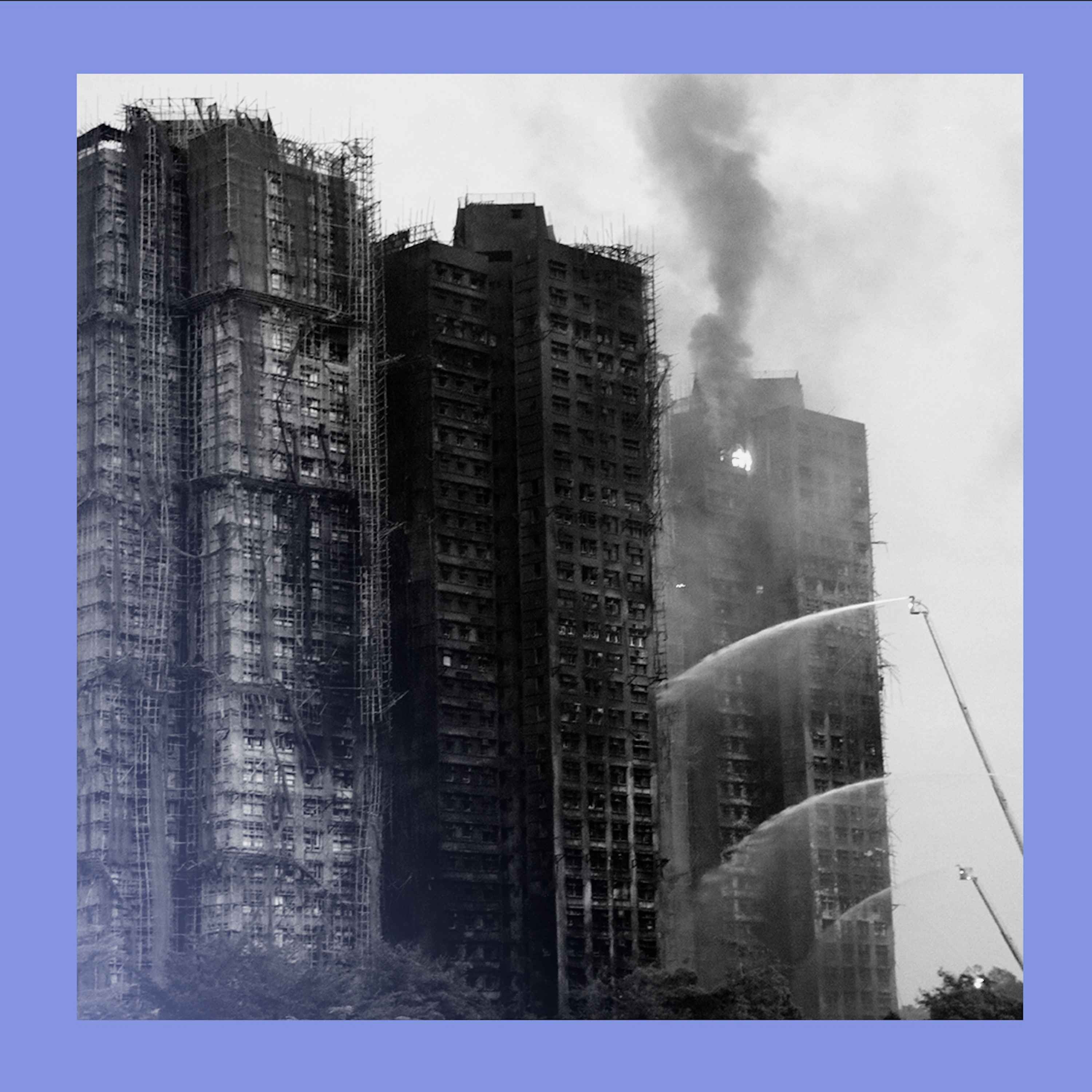
Major housing policy overhauls in Hong Kong are rarely proactive, but rather reactions to large-scale tragedies. The city's entire public housing program, for example, was created in response to a devastating 1953 fire. This historical precedent suggests the recent deadly blaze is likely to force similar systemic safety and building regulation reforms.
Related Insights
The official focus on bamboo scaffolding after a deadly fire may be a political pretext to phase out a traditional industry with a strong, union-like guild. This would allow mainland-controlled firms to take over, despite evidence that much of the bamboo scaffolding survived the blaze intact.
The policy restricted developer borrowing to curb speculation but failed to address the core drivers: households' need for a savings vehicle and local governments' dependency on land sales for revenue. By attacking the intermediary, the policy caused a crisis without solving the fundamental problem.

Society rarely bans powerful new technologies, no matter how dangerous. Instead, like with fire, we develop systems to manage risk (e.g., fire departments, alarms). This provides a historical lens for current debates around transformative technologies like AI, suggesting adaptation over prohibition.

Severe rent freezes can make property maintenance and ownership financially unviable. In extreme cases where an asset becomes a liability, the only way for owners to recoup their investment may be to burn the building down and collect insurance money, a perverse outcome of a well-intentioned policy.

Housing scarcity is a bottom-up cycle where homeowners' financial incentive is to protect their property value (NIMBYism). They then vote for politicians who enact restrictive building policies, turning personal financial interests into systemic regulatory bottlenecks.

Hong Kong's leadership is leveraging aid from mainland China, such as a rescue task force, to showcase the benefits of closer ties with Beijing. This narrative strategically shifts focus away from local government accountability for the disaster and reinforces the mainland's growing influence over the city.
In the late 1980s, facing a lack of capital, China began experimenting with Hong Kong's model of leasing state-owned land. This became the primary financing mechanism for local governments, especially after a 1994 tax reform limited their revenue, fueling decades of rapid urban development.
Caruso claims the catastrophic Palisades fire was "completely preventable." A smaller fire occurred in the same location just a week earlier, and authorities failed to pre-deploy resources despite severe wind warnings. His core leadership principle is that predictable risks, if ignored, become preventable disasters.

Just as shielding children from all hardship makes them soft, bailing out communities from their poor policy choices prevents them from learning. New York, having made its decision, must be allowed to suffer the consequences. The resulting pain is the necessary catalyst for the city to become tougher and eventually correct its course.

While local policies like zoning are often blamed for housing crises, the problem's prevalence across vastly different economies and regulatory environments suggests it's a global phenomenon. This points to systemic drivers beyond local supply constraints, such as global capital flows into real estate.