Get your free personalized podcast brief
We scan new podcasts and send you the top 5 insights daily.
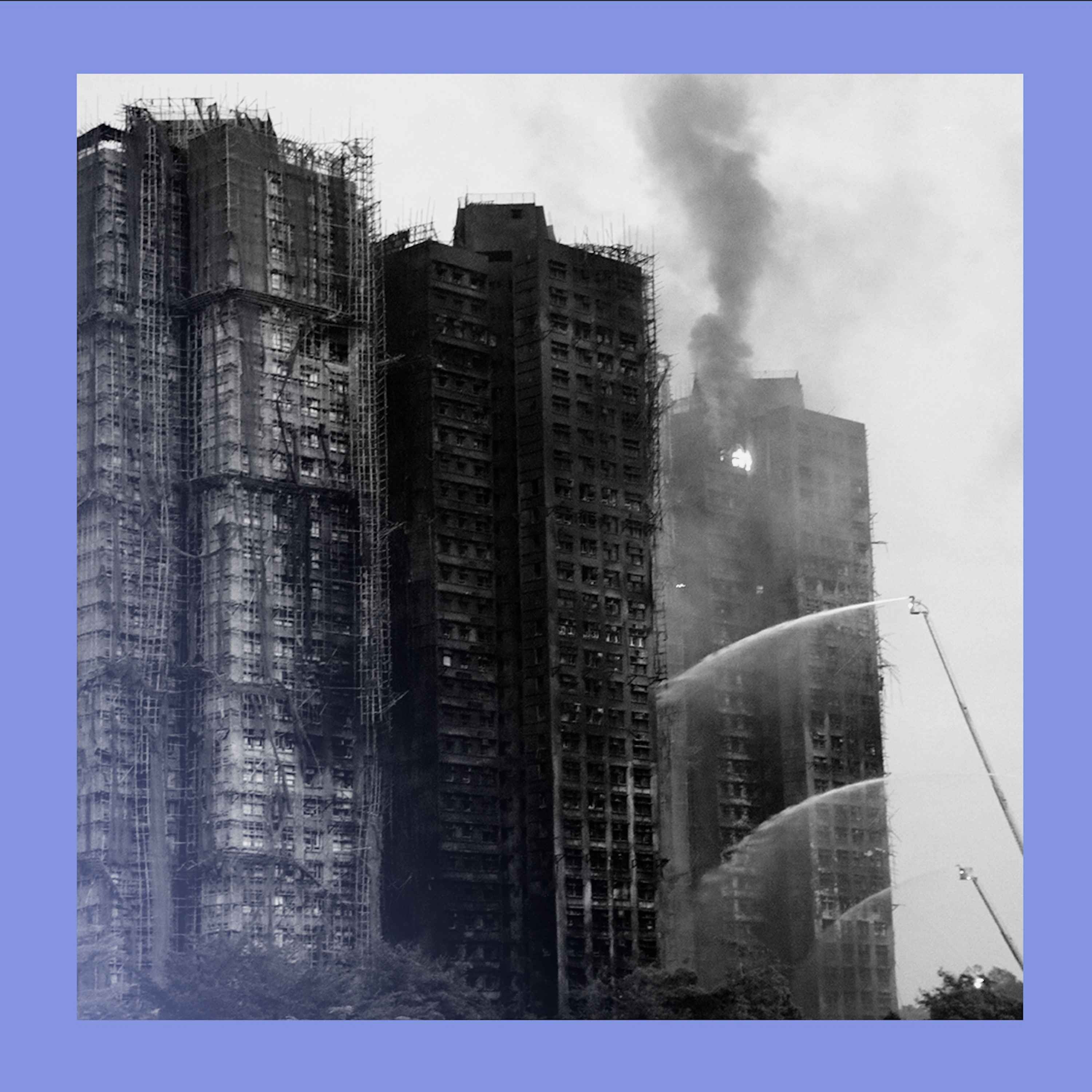
The official focus on bamboo scaffolding after a deadly fire may be a political pretext to phase out a traditional industry with a strong, union-like guild. This would allow mainland-controlled firms to take over, despite evidence that much of the bamboo scaffolding survived the blaze intact.
Related Insights
From China's perspective, producing more than it needs and exporting at cutthroat prices is a strategic tool, not an economic problem. This form of industrial warfare is designed to weaken other nations' manufacturing bases, prioritizing geopolitical goals over profit.
While ERGs provide community, they are structurally incapable of ensuring worker safety or advocating for material changes. As company-sponsored entities, they cannot collectively bargain or challenge employment conditions, making them projects of representation rather than instruments of worker power.

Despite developing the world's cheapest solar power, China remains addicted to coal for political, not economic, reasons. Countless local governments in poorer regions depend entirely on coal mining for revenue and employment. This creates a powerful political inertia that the central government is unwilling or unable to overcome, prioritizing local stability and energy security over a complete green transition.

Hong Kong's leadership is leveraging aid from mainland China, such as a rescue task force, to showcase the benefits of closer ties with Beijing. This narrative strategically shifts focus away from local government accountability for the disaster and reinforces the mainland's growing influence over the city.
In response to deflation and eroding profits from hyper-competition, the Chinese government's "anti-evolution" policy is a deliberate strategy to force consolidation, reduce overcapacity, and restore pricing power, thereby boosting corporate return on equity.

China's strategy for Taiwan likely mirrors its 2019 Hong Kong takeover. Instead of a direct military assault, Beijing will use political influence, espionage, and legislative changes to create administrative bridges, making any physical resistance illegal before troops ever move in.

China's campaign against "evolution" (excessive competition) is not a broad economic stimulus. It specifically benefits sectors like EV batteries, steel, and cement where state control or rapid market consolidation can restore pricing power and profitability.
Despite positioning itself as an international and diverse hub, Hong Kong's legislature rejected a same-sex partnership bill. This signals that aligning with Beijing's more conservative values now takes precedence over maintaining its reputation for openness, especially under the 'patriots' governing system.
A proposal to protect Pernambuco wood is controversial because the artisanal bow-making industry's impact is negligible. A single maker may use one tree's worth of wood over an entire career, often from old stock. The proposed ban targets a minor user and could harm sustainable cultivation efforts.

Major housing policy overhauls in Hong Kong are rarely proactive, but rather reactions to large-scale tragedies. The city's entire public housing program, for example, was created in response to a devastating 1953 fire. This historical precedent suggests the recent deadly blaze is likely to force similar systemic safety and building regulation reforms.