Get your free personalized podcast brief
We scan new podcasts and send you the top 5 insights daily.
An investor's power over a portfolio company is fundamentally limited and primarily negative. While a VC can block a founder's actions, such as through board approval or withholding capital, they cannot force a founder to take a specific path, even if it seems obviously correct. The role is to advise and assist, not to command or execute.

Related Insights
In a non-control deal, an investor cannot fire management. Therefore, the primary diligence focus must shift from the business itself to the founder's character and the potential for a strong partnership, as this relationship is the ultimate determinant of success.

In today's founder-centric climate, many VCs avoid confrontation to protect their reputation (NPS) within the founder network. This fear of being blacklisted leads them to abdicate their fiduciary duty to shareholders, failing to intervene even when a company's performance is dire and hard decisions are needed.
Unlike in private equity, an early-stage venture investment is a bet on the founder. If an early advisor, IP holder, or previous investor holds significant control, it creates friction and hinders the CEO's ability to execute. QED's experience shows that these situations are untenable and should be avoided.

Echoing the Hippocratic Oath, a venture investor's primary job with a high-performing company is to stay out of the way and not disrupt its momentum. While providing resources for talent, capital, and strategy is valuable, it's secondary to the core principle of not interfering with a team that is already executing successfully.

A board member's role includes flagging strategic risks, including geopolitical exposure that could drastically limit future acquirers or prevent an IPO. Advising a CEO to relocate teams from a high-risk country is not operational meddling, but a core governance duty.

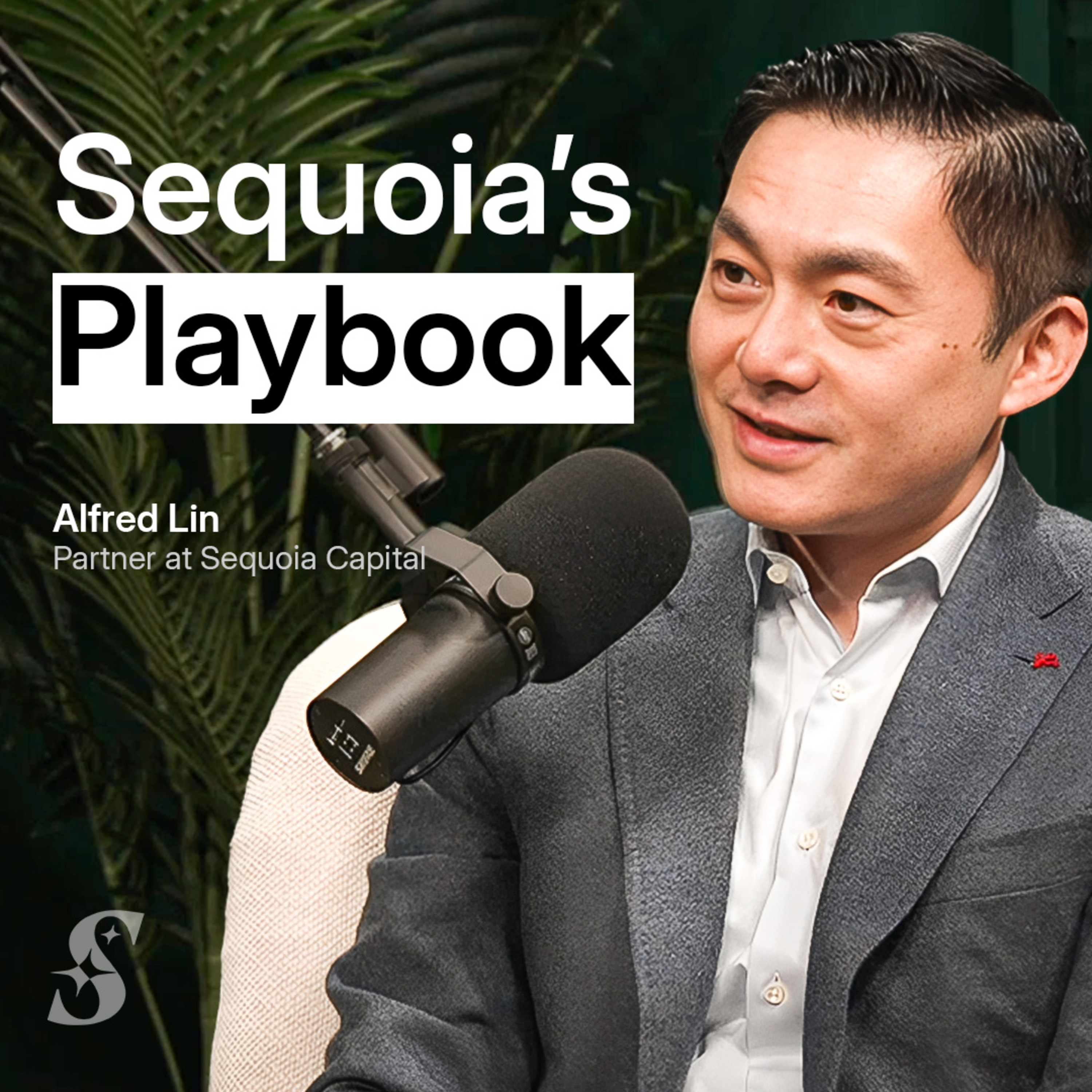
Alfred Lin's framework for board members is to be supportive 'shock absorbers' during hardships, helping founders pick up the pieces. When the company is succeeding, they become 'sparring partners' to challenge founders, prevent complacency, and push the business to the next level.
Effective private equity boards function as strategic advisory councils rather than governance bodies. Board members are expected to be co-investors who actively help with strategy, networking, and operational challenges like procurement, making them a key part of the value creation engine.
Unlike operating companies that seek consistency, VC firms hunt for outliers. This requires a 'stewardship' model that empowers outlier talent with autonomy. A traditional, top-down CEO model that enforces uniformity would stifle the very contrarian thinking necessary for venture success. The job is to enable, not manage.

Exor's governance model focuses on finding the right leaders and then giving them space to execute. They review plans and organizational structures but avoid micromanagement, viewing their role as a supportive yet challenging partner to the CEOs of their portfolio companies.
![Exor: Fiat Crisis to Ferrari Glory - [Business Breakdowns, EP.229] thumbnail](https://megaphone.imgix.net/podcasts/81a71ab6-9e6b-11f0-8aff-7bd806e17203/image/1c411f84b9b949374f0accaa0a5ff38a.jpg?ixlib=rails-4.3.1&max-w=3000&max-h=3000&fit=crop&auto=format,compress)
While it's crucial to listen to markets and clients, founders must also be prepared to stick to their convictions when investors, who may not be specialists in their niche, offer conflicting advice. Knowing when to listen and when to hold firm is a key startup skill.