Get your free personalized podcast brief
We scan new podcasts and send you the top 5 insights daily.
While leaders plan summits to project a positive relationship, the underlying reality is a hardening conflict. US agencies are actively prosecuting smugglers and investigating companies, while Congress proposes legislation with severe penalties, indicating the true trajectory remains negative despite public diplomacy.

Related Insights
High-level diplomatic meetings between US and Chinese leaders are largely performative, designed to create positive "mood music." The true, underlying relationship is defined by a deep and persistent lack of trust between the two nations' security apparatuses, which continues unabated.
While the US administration celebrated a deal, China's official media has remained silent, only mentioning a need to finalize follow-up steps. This discrepancy suggests Beijing views the agreement as a tentative pause, waiting to see US actions before fully committing.
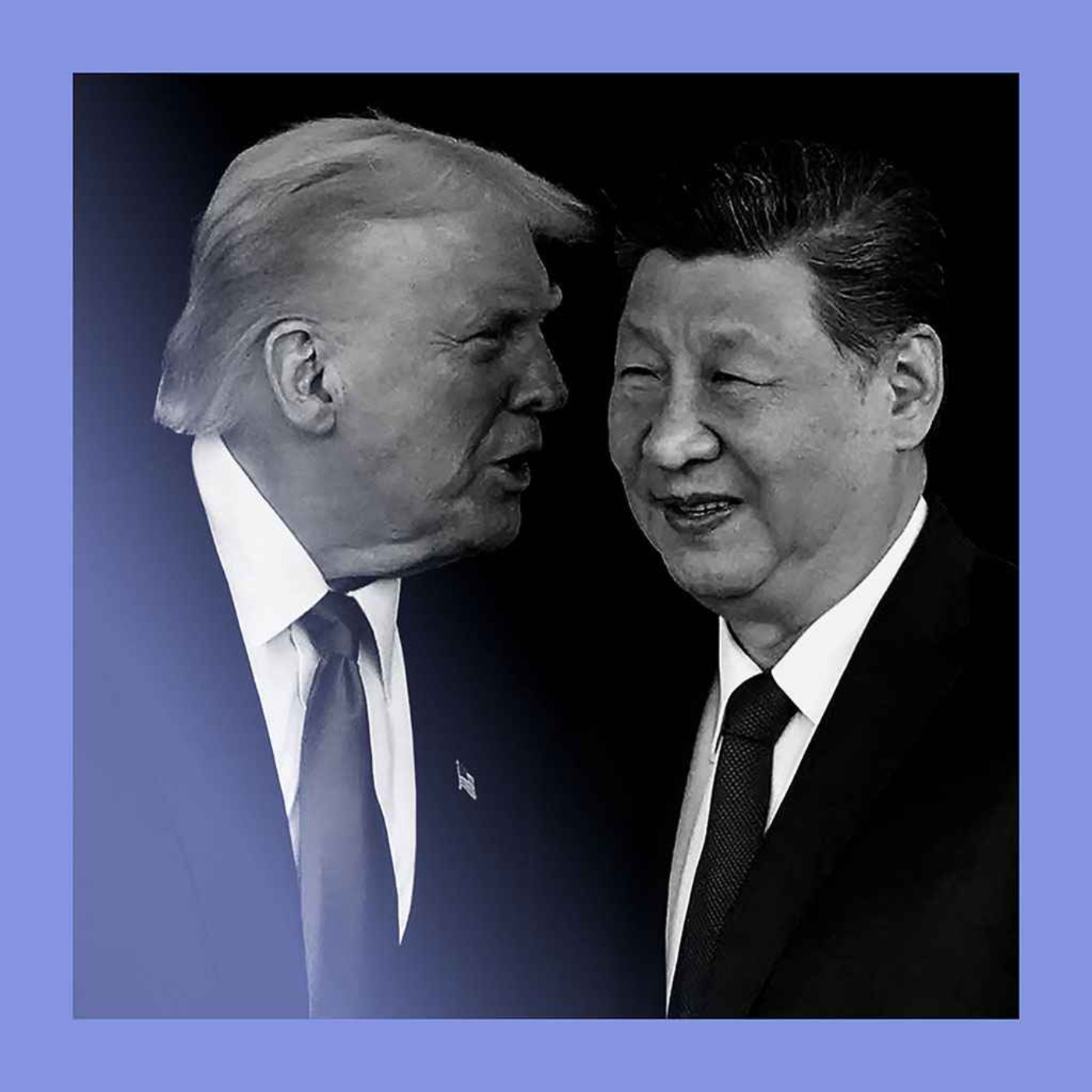
The recent lack of anti-China rhetoric from the Trump administration, including zero mentions at the State of the Union, is a deliberate tactical truce. The goal is to stabilize relations and create a favorable environment for an upcoming presidential summit with Xi Jinping, which the administration wants to be a major success.

The recent trade truce is a transactional deal focused on marketable items like soybeans and TikTok. It conveniently sidesteps fundamental, long-term conflicts such as China's industrial policy, semiconductor competition, and military tensions, making the truce fragile and the broader relationship unstable.
Unlike the old Cold War with Russia, the U.S. and China's deep economic interdependence prevents open conflict. The current "Rice War" is like water polo: while business and diplomacy occur on the surface, a covert intelligence and influence war rages underneath.

The deep economic interdependence between the U.S. and China makes a full "decoupling" too costly for either side. Instead of a clean break or a lasting peace, the relationship will likely be defined by a continuous cycle of targeted disputes, negotiations, and temporary agreements.

China actively tries to shape global media narratives to counter U.S. policy. For example, it seeds stories in the Western press about its tech breakthroughs to suggest U.S. semiconductor export controls are failing, even while its diplomats privately demand the controls be lifted—a sign they are working.
The conflict flashpoint extends beyond direct arms sales. China's provision of AI-enhanced satellite imagery via a commercial firm and dual-use technologies like drone components to Iran creates a strategic gray area, intensifying the US-China rivalry and complicating tariff threats.
The primary goal of certain US tariffs is not to generate revenue but to strategically weaken China's economy. By incentivizing US businesses to leave China, the US aims to slow its rival's growth, thereby protecting the dollar's global reserve status from the rising yuan.

Recent trade talks deliberately sidestepped core geopolitical issues like Taiwan and the South China Sea. This highlights that economic agreements are merely treating symptoms. The fundamental problem is a geopolitical power struggle, which will continue to undermine any economic progress.