Get your free personalized podcast brief
We scan new podcasts and send you the top 5 insights daily.
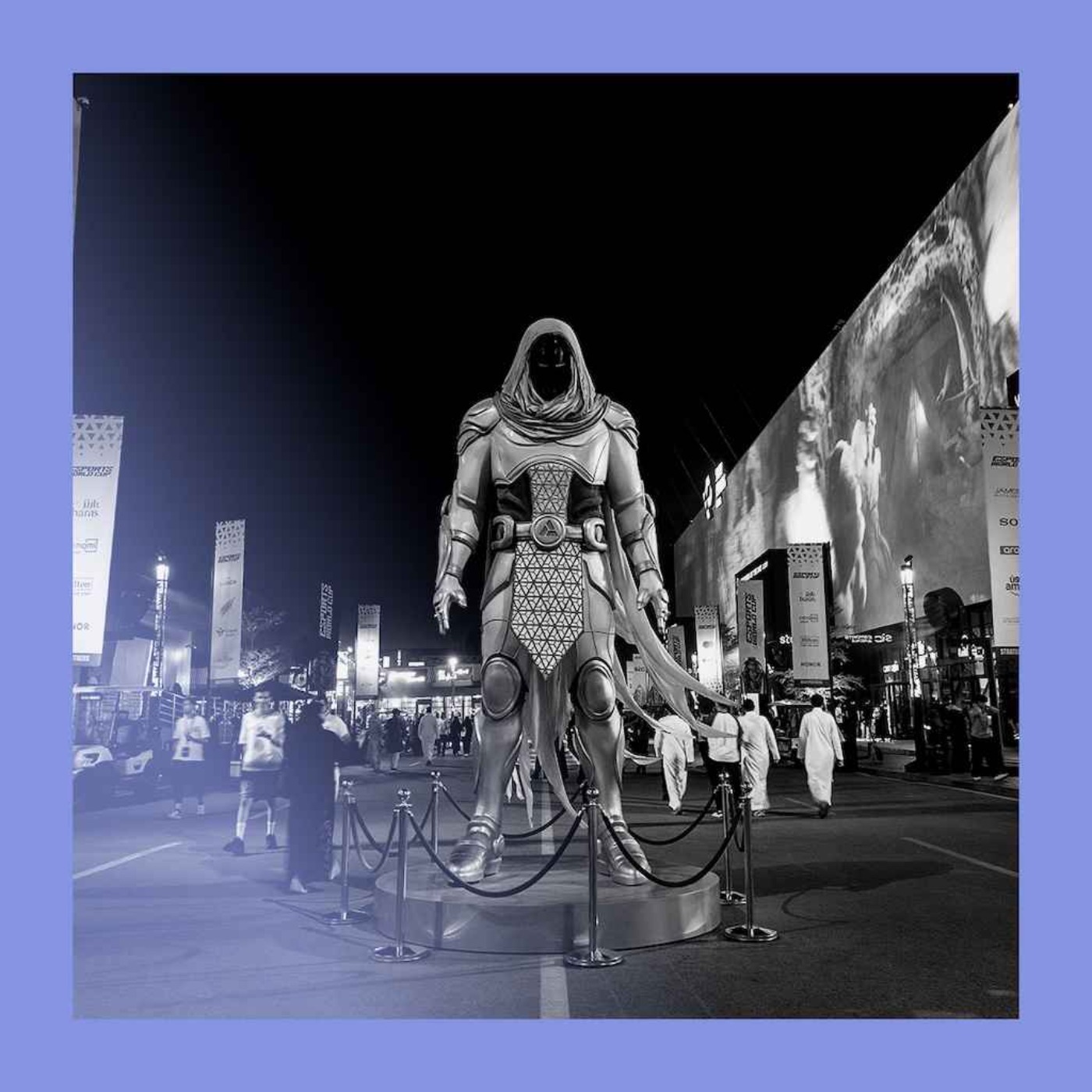
Beyond financial returns and 'game washing,' Saudi Arabia's push into the gaming industry is a long-term soft power strategy. The goal is to create games based on the region's myths and legends, similar to how China successfully exported its culture through games like 'Black Myth Wukong,' thereby shaping its global image.
Related Insights
A key, often overlooked factor in Saudi Arabia's transformation is the return of its citizens educated at top Western universities like Stanford and MIT. This repatriated talent pool, driven by a sense of duty and opportunity, forms the skilled workforce needed to build the nation's digital future.
Game development hubs like Finland and Israel produce disproportionately successful mobile games because their small domestic populations force developers to design for a global audience from the outset. This constraint fosters universally appealing mechanics and designs, leading to worldwide hits.

Sovereign wealth funds from the Gulf are investing heavily in the gaming industry, which is larger than film and TV combined. This is a deliberate, long-term strategy to diversify their economies away from oil by acquiring valuable, globally-relevant intellectual property and capturing a new generation of consumers.

Soft power is being deployed through culture. U.S. agencies have funded cultural products, like rap music in Bangladesh, with lyrics explicitly 'designed to get people in the streets.' These anthems are used to mobilize disaffected youth and create social division as part of a larger political destabilization strategy.

China's promotion of open-weight models is a strategic maneuver to exert global influence. By controlling the underlying models that answer questions about history, borders, and values, a nation can shape global narratives and project soft power, much like Hollywood did for the U.S.

Beyond the US and China, Saudi Arabia is positioned to become the third-largest AI infrastructure country. The national strategy leverages its abundance of land and power not just for oil exports, but to lead the world in "energy exports via tokens," effectively selling compute power globally.
Unable to compete globally on inference-as-a-service due to US chip sanctions, China has pivoted to releasing top-tier open-source models. This serves as a powerful soft power play, appealing to other nations and building a technological sphere of influence independent of the US.

The success of events like the Daft Punk concert in Fortnite signals a strategic shift. IP holders will launch new brands within games first to build community, then expand to movies or TV. Games are now viewed as the most influential social platforms, not just secondary marketing channels.

Assets like launch capabilities, energy access, or media influence may not generate strong cash flows but provide immense strategic leverage. In an era of competing power blocs, controlling these strategic assets is becoming more valuable than traditional financial metrics suggest, a shift that markets struggle to price.
The business model for powerful, free, open-source AI models from Chinese companies may not be direct profit. Instead, it could be a strategy to globally distribute an AI trained on a specific worldview, competing with American models on an ideological rather than purely commercial level.
