Get your free personalized podcast brief
We scan new podcasts and send you the top 5 insights daily.
Apple's new "spatial reframing" feature signals a major philosophical shift for its camera. The tool, which uses AI to alter a photo's angle, moves the native camera from a device that captures reality to one that actively generates it, creating a new debate around authenticity directly within the OS.

Related Insights
Apple, known for deterministic and polished products, faces a significant cultural shift. It must now embrace the non-deterministic, "hallucinatory" nature of AI, which will inevitably lead to public failures and PR challenges unlike anything it has managed before.

Sony's promotion of its new AI camera assistant backfired when the 'enhanced' images were clearly worse, with blown-out contrast and reduced detail. This public failure from a top camera brand illustrates the risk of shipping AI features for marketing purposes without ensuring they genuinely improve the user experience.

While conversations focus on large language models, the capabilities of ChatGPT Images 2.0 are described as a significant and "insane" leap forward. This release marks a tangible advance in visual communication and image editing that could be the first to genuinely threaten traditional graphic design roles.

Instead of random prompting, break down any desired photo into its fundamental components like shot type, lighting, camera, and lens. Controlling these variables gives you precise, repeatable results and makes iteration faster, as you know exactly which element to adjust.

Vercel's founder argues that a camera's photo should be treated as a starting point (an input) for AI models, not the final image. This reframes photography around AI enhancement rather than hardware quality, opening up new product categories for image transformation and post-processing.

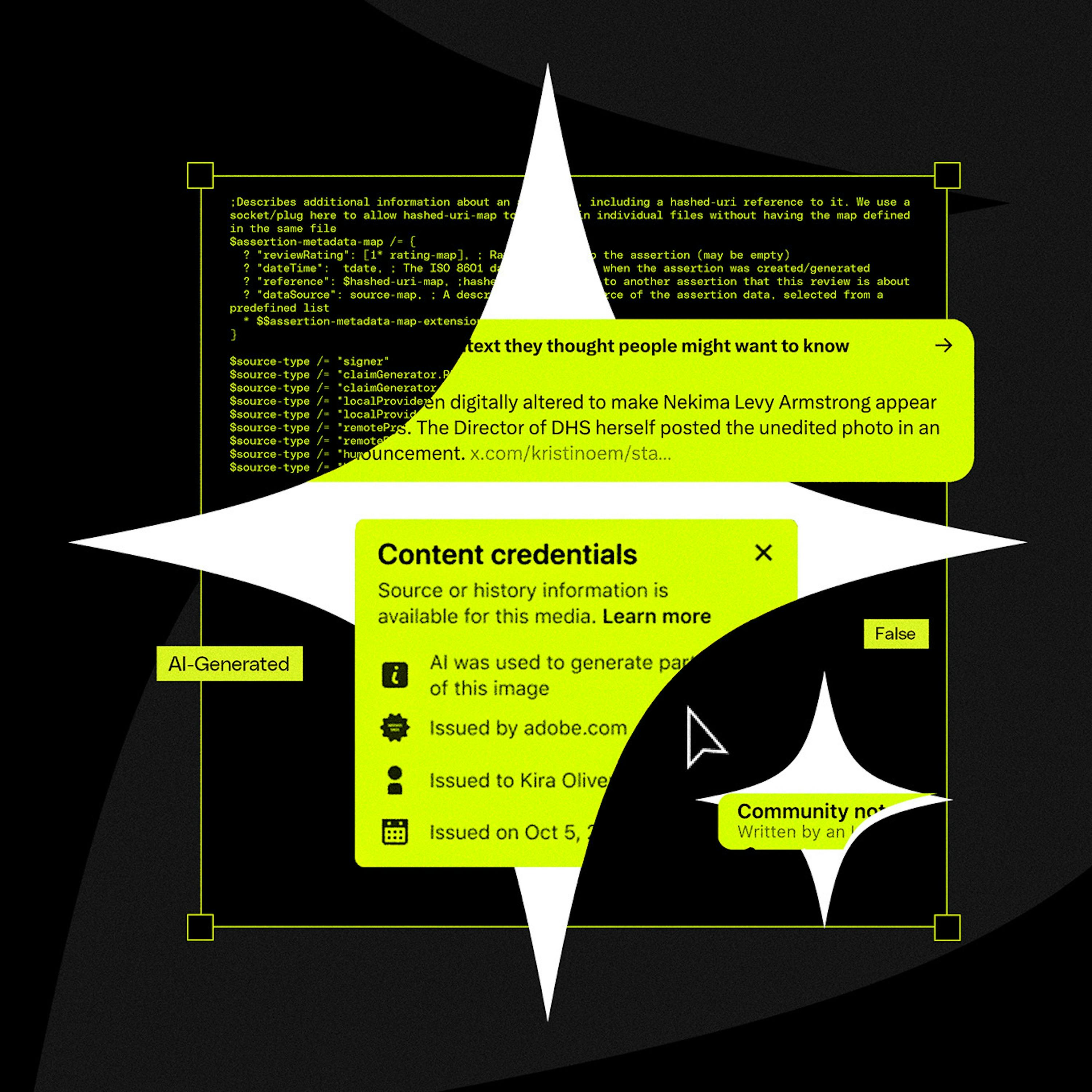
Instead of detecting AI fakes, a new approach focuses on proving authenticity at the source. Organizations like C2PA work with hardware makers to embed cryptographic signatures into photos and videos, creating a verifiable chain of "content provenance" that proves an asset was captured by a real device.

Apple's meticulously controlled product culture is being challenged by the stochastic nature of AI. The company must prepare for viral "hallucinations" and PR crises, a new reality that contrasts with its history of deterministic, polished outputs, representing a significant internal shift.
Apple's plan for AirPod cameras that can't record photos is a strategic move to address privacy concerns upfront. By designing a feature that offers AI context without creating surveillance risks, Apple can differentiate from competitors like Meta and build the trust necessary for mass adoption of AI wearables.

When analyzing video, new generative models can create entirely new images that illustrate a described scene, rather than just pulling a direct screenshot. This allows AI to generate its own 'B-roll' or conceptual art that captures the essence of the source material.
Attempts to label "AI content" fail because AI is integrated into countless basic editing tools, not just generative ones. It's impossible to draw a clear line for what constitutes an "AI edit," leading to creator frustration and rendering binary labels meaningless and confusing for users.