Get your free personalized podcast brief
We scan new podcasts and send you the top 5 insights daily.
A public "non-concur" from four senior military officers regarding strikes on Iran is reportedly driven by a concern that the US is depleting its munitions. This leaves the nation vulnerable to larger potential conflicts with China over Taiwan or Russia in Europe, revealing a critical strategic weakness.

Related Insights
The US has expended its high-end, long-range munitions in a hypothetical Iran conflict. This creates a critical vulnerability, as these weapons were stockpiled for a potential peer conflict with China, and the industrial base cannot quickly replace them.

The US is expending advanced, expensive munitions like JASMs and Dark Eagle on targets in Iran that could be handled by cheaper weapons. This is described as using exquisite tools for mundane tasks, driven more by a desire to showcase new tech than strategic necessity, dangerously depleting critical stockpiles.

The U.S. expended a significant portion of its L-RASSM inventory—an advanced anti-ship missile designed for a Pacific conflict with China—against the comparatively insignificant Iranian Navy. This reflects a profound strategic disconnect, using a limited resource on a low-end threat and depleting critical war stocks.
The U.S. is facing a severe depletion of its precision munitions stockpiles, estimated at over 50%. This shortage severely constrains its ability to sustain a conflict with Iran while simultaneously maintaining a credible deterrent against China, creating a significant strategic vulnerability and weakening its global power projection.
A regional conflict like the one in Iran has immediate global consequences for military readiness. The massive expenditure of interceptor missiles will create a supply crunch for US forces in other strategic areas like the Pacific and for allies like Ukraine, as production cannot keep up with wartime demand.
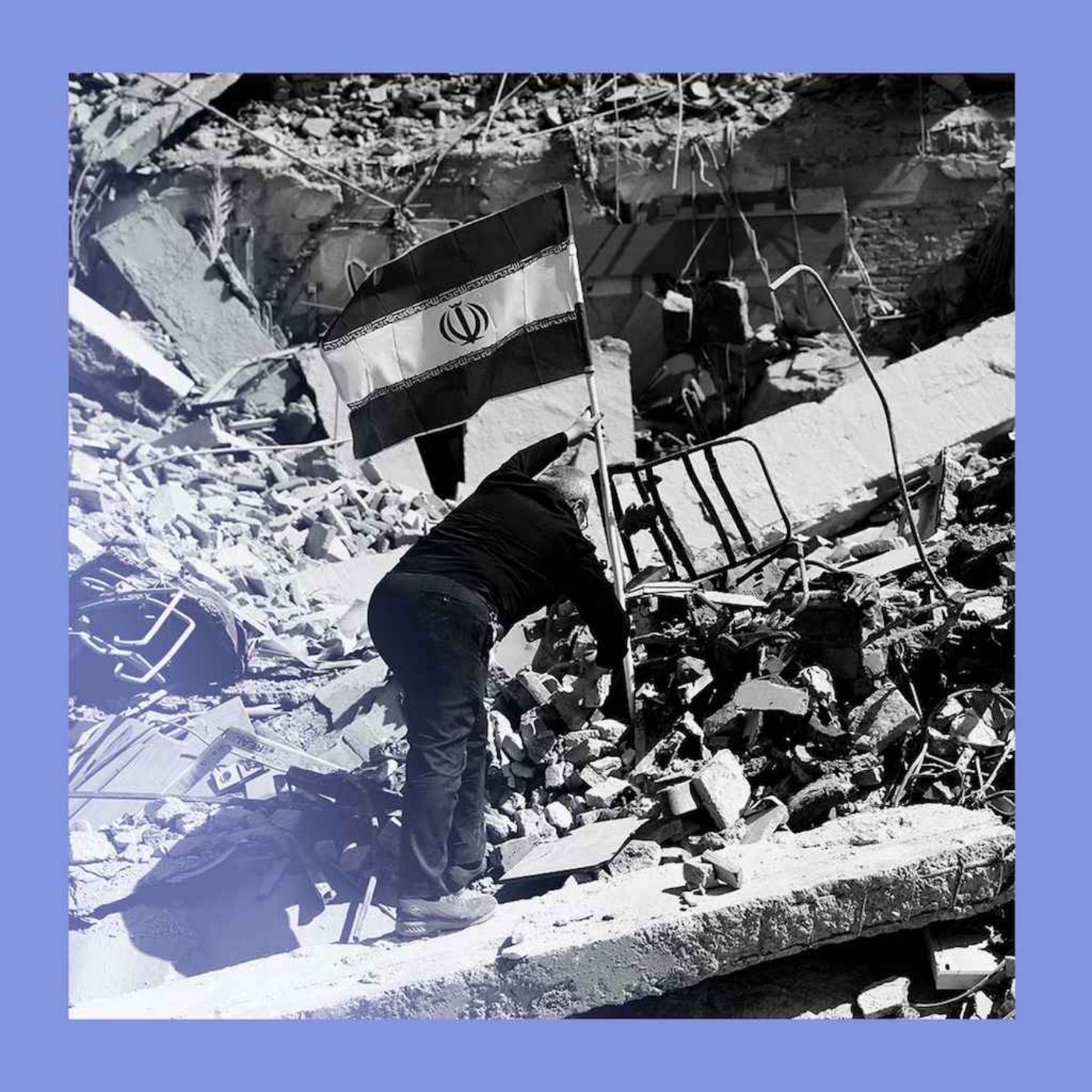
A poorly executed war in Iran is creating the conditions for a domestic political backlash against defense spending. This jeopardizes the multi-year effort to build up munition stockpiles and advanced systems specifically for a potential Taiwan contingency, thereby weakening America's long-term posture against China.
The massive expenditure of U.S. missile defense interceptors in the Iran conflict is significantly cutting into the total inventory. This depletion, which cannot be quickly replaced, creates a window of vulnerability that could tempt China to act on its regional ambitions while the U.S. is distracted and under-supplied.

High-ranking Pentagon officials are using informal press leaks to signal to the President that the ongoing war with Iran is depleting precision munition stockpiles. This degrades the U.S.'s ability to fight a war over Taiwan and is a deliberate, time-honored D.C. communication tactic to influence policy.
Simulations of a conflict with China consistently show the US depleting its high-end munitions in about seven days. The industrial base then requires two to three years to replenish these stockpiles, revealing a massive gap between military strategy and production capacity that undermines deterrence.

Expending high-end munitions like JASSM missiles on a secondary adversary like Iran critically depletes stockpiles essential for deterring a primary competitor like China. This creates a significant vulnerability, as the defense industrial base cannot quickly replenish these sophisticated weapons, undermining readiness for a major conflict.