Get your free personalized podcast brief
We scan new podcasts and send you the top 5 insights daily.
The US is expending advanced, expensive munitions like JASMs and Dark Eagle on targets in Iran that could be handled by cheaper weapons. This is described as using exquisite tools for mundane tasks, driven more by a desire to showcase new tech than strategic necessity, dangerously depleting critical stockpiles.

Related Insights
The current munitions crisis is an opportunity to shift from expensive, slow-to-produce weapons like JASM-ERs to cheaper, modular systems. This rebalancing is necessary because high-end "exquisite" technologies have long, tenuous supply chains and cannot be produced at the scale required for a major conflict.

The conflict highlights a critical economic vulnerability in US defense strategy. The US is forced to use multi-million dollar missiles to counter Iranian drones that cost only $20,000. This massive cost imbalance demonstrates the power of asymmetric warfare and a significant strategic inefficiency for the US military.

The U.S. expended a significant portion of its L-RASSM inventory—an advanced anti-ship missile designed for a Pacific conflict with China—against the comparatively insignificant Iranian Navy. This reflects a profound strategic disconnect, using a limited resource on a low-end threat and depleting critical war stocks.
The preference for using expensive standoff weapons stems from a command level that is both highly risk-averse and has, to some degree, forgotten how to synchronize complex operations like Suppression of Enemy Air Defenses (SEAD). This avoids pilot risk but prevents the use of more plentiful, cheaper munitions.
Deploying advanced weapons in lower-threat environments serves as a test run but also provides a strategic gift to major adversaries. China's PLA gains invaluable intelligence on the performance, signatures, and capabilities of new U.S. systems by observing their use against Iran, allowing them to develop countermeasures without any cost or risk.
The massive expenditure of U.S. missile defense interceptors in the Iran conflict is significantly cutting into the total inventory. This depletion, which cannot be quickly replaced, creates a window of vulnerability that could tempt China to act on its regional ambitions while the U.S. is distracted and under-supplied.

The conflict reveals a critical vulnerability: nations burn through advanced interceptor missiles at a rate that vastly outpaces annual production. Firing two interceptors per incoming missile means that even well-stocked Gulf states could exhaust their pre-war supplies in days, exposing a major bottleneck in the defense supply chain.
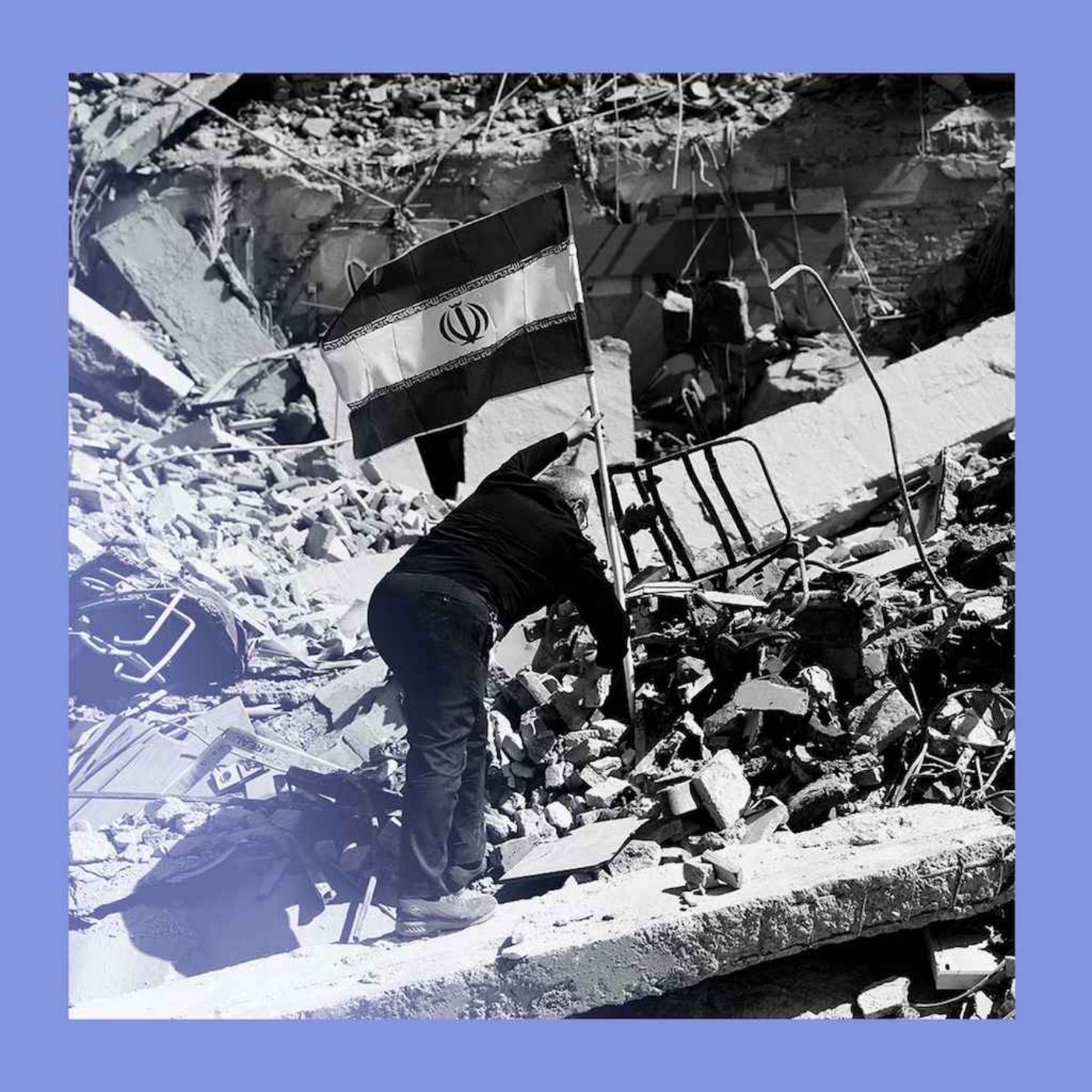
Contrary to political rhetoric suggesting total dominance, US air superiority in Iran is limited to specific geographic areas and time-sensitive windows. This lack of persistent control forces the use of expensive, high-end munitions to mitigate risk to pilots, further draining valuable inventories needed for a high-end fight.
Expending high-end munitions like JASSM missiles on a secondary adversary like Iran critically depletes stockpiles essential for deterring a primary competitor like China. This creates a significant vulnerability, as the defense industrial base cannot quickly replenish these sophisticated weapons, undermining readiness for a major conflict.
The high rate of munitions expenditure against Iran, a secondary power, proves the US cannot sustain a conventional, attrition-based war with China. This reality is forcing strategists to develop alternative deterrence concepts that don't rely on winning a "firepower competition" with the PLA.