Get your free personalized podcast brief
We scan new podcasts and send you the top 5 insights daily.
A poorly executed war in Iran is creating the conditions for a domestic political backlash against defense spending. This jeopardizes the multi-year effort to build up munition stockpiles and advanced systems specifically for a potential Taiwan contingency, thereby weakening America's long-term posture against China.

Related Insights
Former SECAF Frank Kendall warns that conflicts against less advanced adversaries like Iran reinforce outdated tactics and supply chains. This diverts focus and resources from developing the adaptive capabilities needed to counter a peer competitor like China, which presents a fundamentally different challenge.
A regional conflict like the one in Iran has immediate global consequences for military readiness. The massive expenditure of interceptor missiles will create a supply crunch for US forces in other strategic areas like the Pacific and for allies like Ukraine, as production cannot keep up with wartime demand.
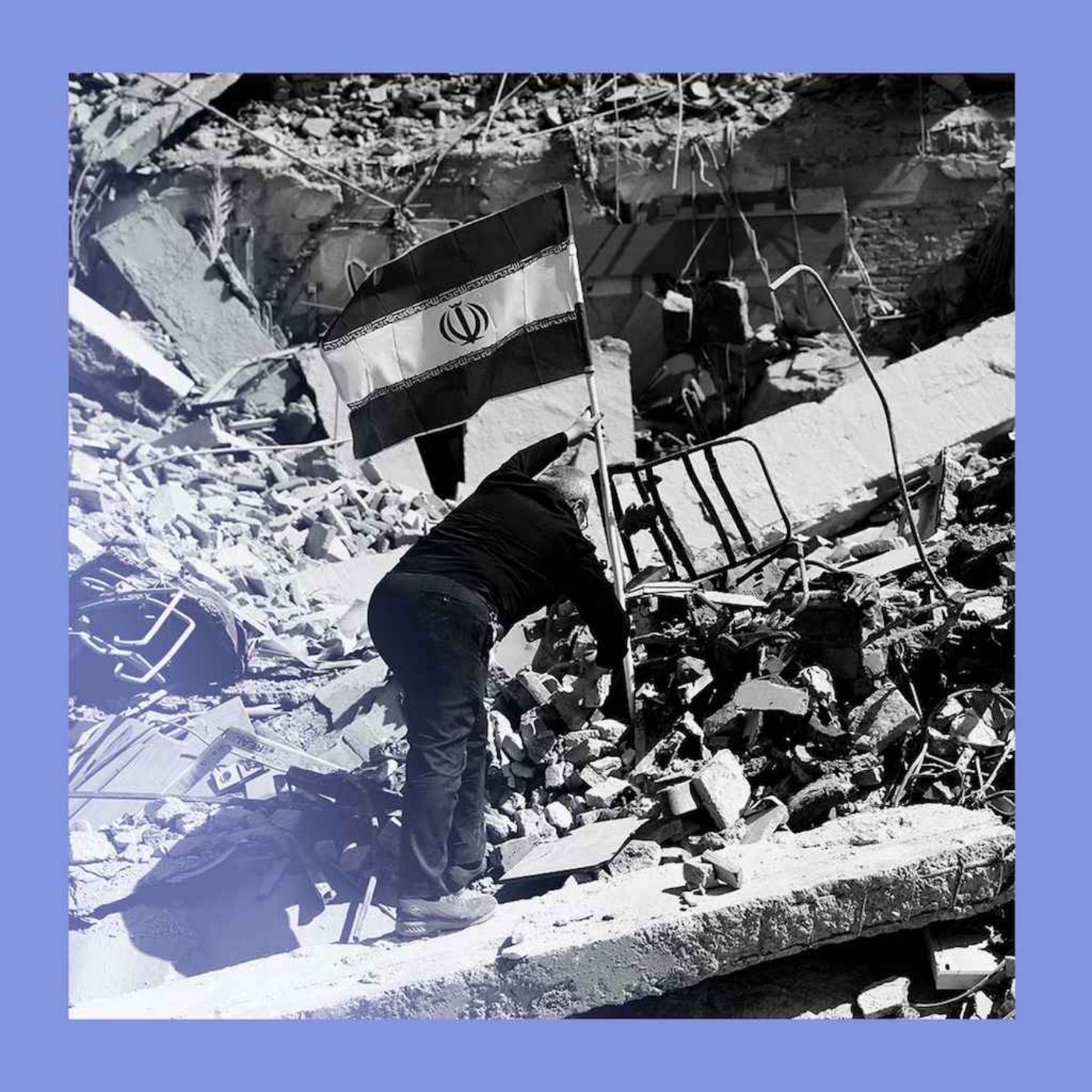
The US is moving from a global deterrence posture to concentrating massive force for specific operations, as seen with Iran. This strategy denudes other theaters of critical assets, creating windows of opportunity for adversaries like China while allies are left exposed.

While the U.S. talks about pushing back against China, its military position in East Asia has declined relative to China's rapid buildup. Unlike during the Cold War, U.S. leaders haven't committed the necessary resources or explained the stakes to the American public.

Iran's strategy isn't a quick military victory but a war of attrition. By accepting a long timeline and inflicting small but consistent damage, it aims to erode US domestic support for the war, especially in an election year, and outlast the current administration.

By forcing the U.S. to operate its air defense systems at scale, the conflict in Iran is inadvertently providing China with a treasure trove of intelligence. The Chinese can observe how these systems perform, identify weaknesses, and refine their own tactics for a potential future conflict.
A protracted U.S. conflict in the Middle East is a strategic gift to China. It diverts American military resources, political attention, and economic strength, allowing China to expand its influence, particularly in Asia, without direct confrontation.

Simulations of a conflict with China consistently show the US depleting its high-end munitions in about seven days. The industrial base then requires two to three years to replenish these stockpiles, revealing a massive gap between military strategy and production capacity that undermines deterrence.

A long war with Iran would directly contradict a core promise to his voters: avoiding foreign entanglements. This betrayal, combined with economic fallout, would alienate his base and likely cause a Democratic sweep in the midterms, effectively ending his presidency.

The Iran conflict serves the strategic interests of China and Russia by distracting US attention and draining its military resources. It consumes critical assets (like Patriot missiles needed for Ukraine) and diverts political focus from containing America's primary geopolitical rivals in Europe and Asia.