Get your free personalized podcast brief
We scan new podcasts and send you the top 5 insights daily.
Contrary to the Western IMF model which often leads to resource extraction, China's Belt and Road Initiative invests in foreign infrastructure. The goal is to cultivate prosperous middle classes in developing nations, creating long-term consumer markets for Chinese goods.

Related Insights
Unlike American businesses focused on financial metrics, Chinese business leaders often aim for market dominance. This explains their willingness to invest heavily in long-term projects and infrastructure without immediate concern for high profits.
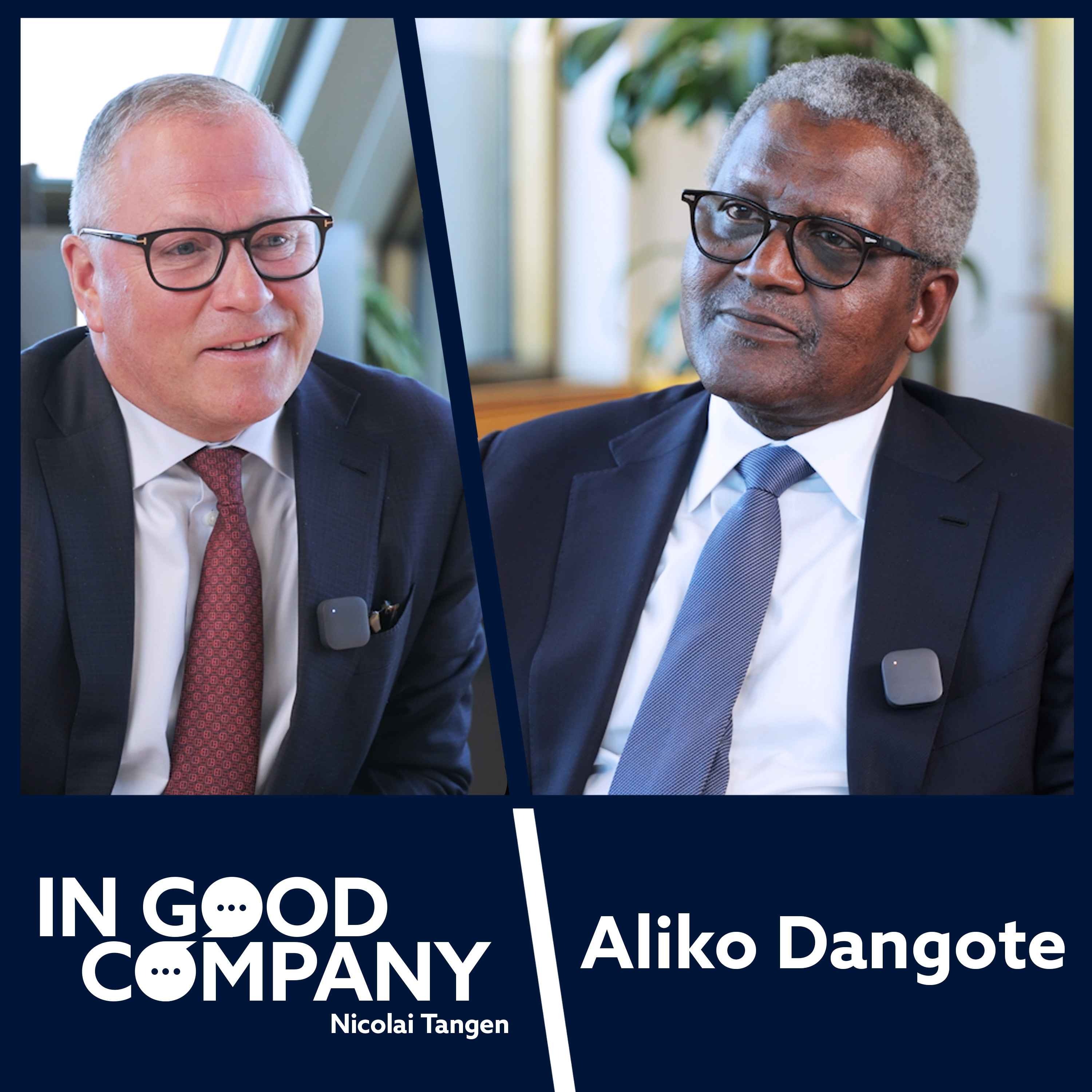
Aliko Dangote reveals China's competitive edge in Africa is superior financing. Chinese firms offer attractive supplier credits, such as 20% down with a five-year term, backed by state insurance. This allows African companies to scale projects faster compared to Western firms that often demand full payment upfront.

Unlike the US, China expands its influence by offering to build highways, airports, and electrical grids for other nations. This 'soft power' approach, funded by a large trade surplus, has allowed it to gain significant control in regions like Africa without military intervention.

The global system avoided total collapse in 2008 because China initiated a massive infrastructure building spree. This made China the world's primary consumer of raw materials, creating the demand that saved the global economy.

China embraces economic globalization, crediting it for lifting 800 million from poverty. However, it explicitly rejects the "militarized globalization" represented by security pacts like AUKUS or NATO expansion. This differentiates its approach from the Western model, which often intertwines economic integration with shared security and political values.

The US is countering China's state-led infrastructure projects by creating commercially viable platforms for its private sector. This strategy leverages America's corporate strength to build sustainable, market-driven supply chains, avoiding the "debt trap" reputation of China's initiative by empowering companies rather than governments.

China has become the top trade partner for most of Latin America by buying raw commodities (soy, copper) and selling back cheap manufactured goods. This dynamic prevents local economies from moving up the value chain, echoing the extractive models previously imposed by Spain and the United States.
According to Dangote, China's business success in Africa stems from its aggressive financing terms. Unlike Western companies that often require full payment upfront, Chinese suppliers offer multi-year credit with small down payments, backed by their state insurance, enabling African companies to leverage capital and grow faster.
While China supports institutions like the UN, its primary strategy for global influence is creating new, economically-focused organizations like the BRICS Bank and regional summits (e.g., China-Africa). This approach builds alternative power centers and economic interdependence with the Global South, supplementing rather than directly challenging the post-war Western order.
China's ascent to a peer competitor wasn't through tanks and missiles. It used factories, ports, and loans to build global influence and absorb technology, capital, and leverage, particularly while the US was distracted by wars in the Middle East.