Get your free personalized podcast brief
We scan new podcasts and send you the top 5 insights daily.
China has become the top trade partner for most of Latin America by buying raw commodities (soy, copper) and selling back cheap manufactured goods. This dynamic prevents local economies from moving up the value chain, echoing the extractive models previously imposed by Spain and the United States.

Related Insights
Contrary to popular belief, China is poorly positioned to lead a new world order. Its entire economic model relies on the pillars of the old system: stable global supply chains, Western capital, and affordable Middle Eastern energy. A shift to a de-globalized, regionalized world breaks all three pillars, potentially stalling China's rise.

For nearly 20 years, China has become the primary trade and investment partner for many Latin American nations, embedding itself in critical infrastructure. US attempts to reverse this influence are now largely ineffective because countries are hedging against an unreliable United States.

The strategic competition with China is often viewed through a high-tech military lens, but its true power lies in dominating the low-tech supply chain. China can cripple other economies by simply withholding basic components like nuts, bolts, and screws, proving that industrial basics are a key geopolitical weapon.

For 30 years, China identified rare earths as a strategic industry. By massively subsidizing its own companies and dumping product to crash prices, it methodically drove US and global competitors out of business, successfully creating a coercive dependency for the rest of the world.

China's dominance isn't limited to rare earths; it accounts for 35% of global manufacturing—three times the US. This industrial might gives it the theoretical ability to apply similar coercive licensing regimes in sectors from EVs to renewable energy, posing a systemic risk.
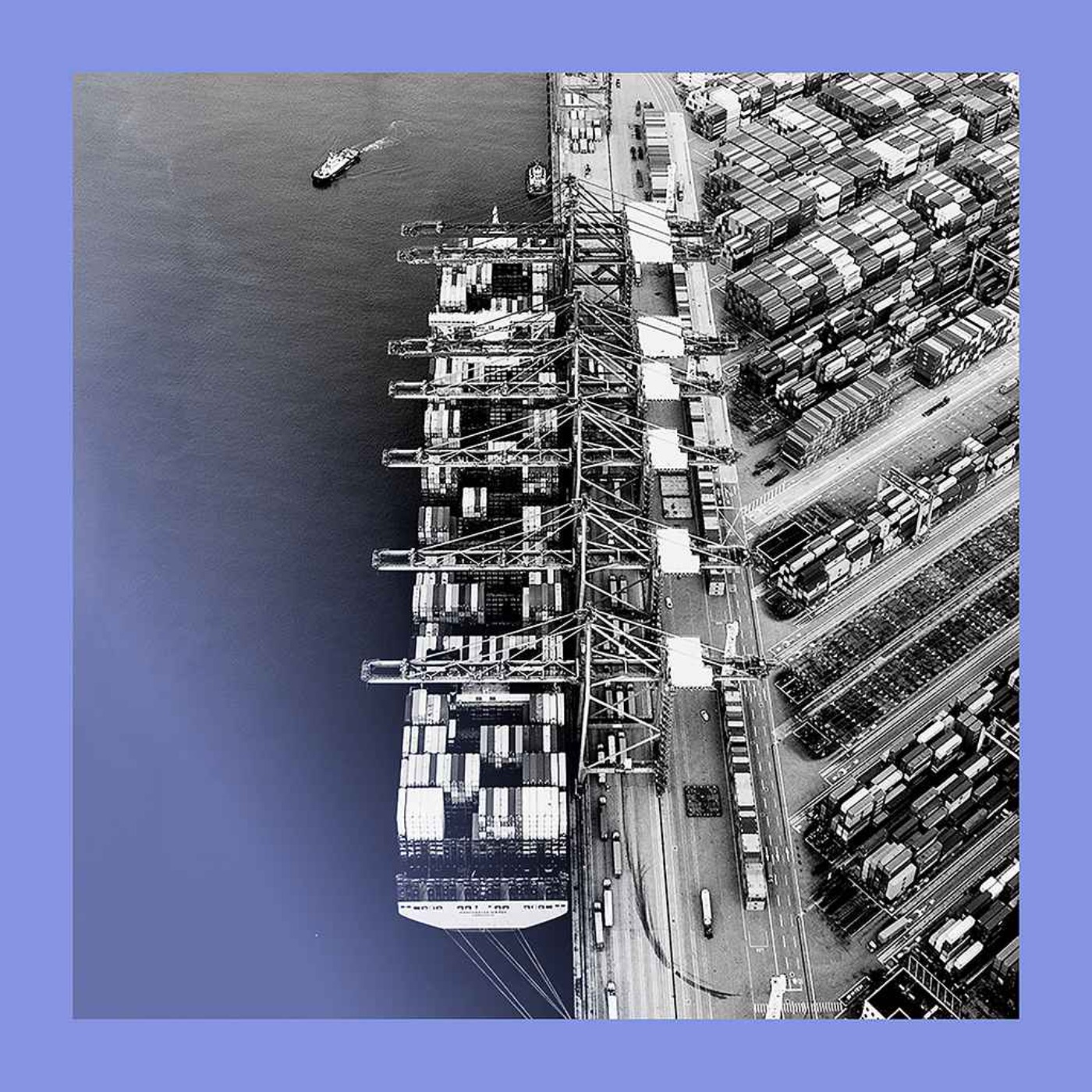
Western leaders mistakenly focus on securing raw material sources ('feedstock'), believing mining rights equal supply chain control. The reality is that China's dominance in midstream processing makes the mine's location irrelevant, as they control the ability to turn ore into usable material.

Beyond strategic ports, China's maneuvering includes creating financial infrastructure, like a South American gold corridor, as part of a larger strategy to establish a gold-backed currency that could rival and undermine the US dollar's status as the world's reserve currency.

China's strategy in Latin America is not just about oil and loans. It includes extensive sales of military equipment, intelligence sharing, pushing its 5G and Beidou satellite systems, and even foreign aid. This deep, multi-faceted integration makes its presence resilient, even with setbacks like Venezuela.

China's economic model, driven by internal provincial competition, creates massive overcapacity. This is intentionally turned into an asset by dumping subsidized products (like EVs) into foreign markets below cost. The goal is to eliminate foreign competitors, create dependency, and convert domestic economic chaos into international power.

China deliberately maintains an undervalued renminbi to make its exports cheaper globally. This strategy props up its manufacturing-led growth model, even though it hinders economic rebalancing and reduces the purchasing power of its own citizens.