Get your free personalized podcast brief
We scan new podcasts and send you the top 5 insights daily.
In prolonged conflicts, Iran has an asymmetric advantage over the U.S. because its regime doesn't face election cycles. It can absorb economic and military pain indefinitely, waiting for the U.S. political will to inevitably fracture.

Related Insights
The U.S. mistakenly assumes Iran will react rationally to military pressure, as the West would. However, Iran's regime has a different calculus, valuing time and being more willing to let its populace suffer, making stalling tactics highly effective against American political and economic pressures.

Iran's strategy is not to win a conventional war but to play a waiting game, believing it can withstand damage until the U.S. loses its political will to continue the conflict, especially with an unpopular president facing midterms. This turns the situation into a potential "forever war" where the exit strategy is the main challenge.

Iran's strategy isn't a quick military victory but a war of attrition. By accepting a long timeline and inflicting small but consistent damage, it aims to erode US domestic support for the war, especially in an election year, and outlast the current administration.

Iran's leadership is betting it can withstand economic pressure longer than the US president can tolerate rising gas prices and diplomatic fallout ahead of midterm elections. Having survived past sanctions, Iran believes its autocratic regime has more staying power than an American administration facing voter discontent.
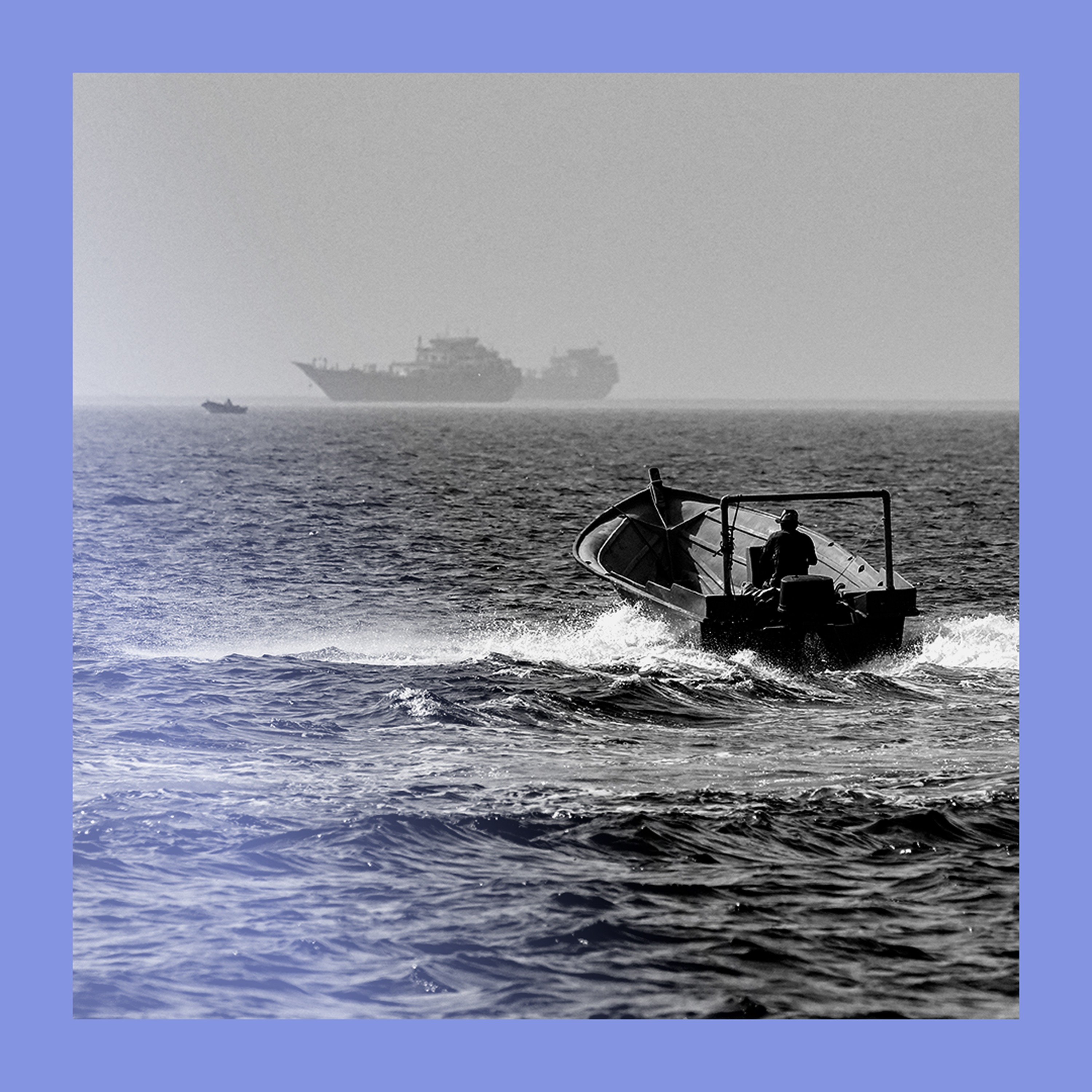
Western assumptions of a liberal Iranian populace ready to overthrow the regime are flawed. While dissent is widespread, decades of repression have eliminated any organized political opposition. This, combined with a hardcore 10-20% base of support, makes the regime surprisingly durable.

The US presumed a 'decapitation strike' would cause the Iranian regime to collapse from internal mismanagement and popular unrest. This proved false, as the regime's institutionalization and resilience were severely underestimated, leading to a protracted conflict for Washington.
Geopolitical adversaries with long-term leadership, like Iran, view the U.S.'s frequent changes in administration as a temporary inconvenience rather than a fundamental policy shift. They see the U.S. as an "obnoxious guy on the bus" whom they can simply ignore and outlast by staying their course.

The war on Iran was a "war of choice" based on a flawed assumption of imminent regime collapse. Burns argues the Iranian regime is designed to withstand decapitation and predictably reacted by regionalizing the conflict to inflict economic and political pain on its adversaries.
The Islamic Republic, which views conflicts as a fight for its very survival, can tolerate far greater economic hardship and military casualties than the U.S. While American politics is sensitive to minor gas price hikes, Iran's regime withstands triple-digit inflation and significant casualties, giving it a strategic advantage in prolonged conflicts.
Despite significant military losses, Iran is successfully leveraging its control over the Strait of Hormuz. This asymmetric strategy chokes global energy markets, creating economic pain that Western nations may be less willing to endure than Iran, potentially snatching a strategic victory from a tactical defeat.
