Get your free personalized podcast brief
We scan new podcasts and send you the top 5 insights daily.
Unlike substance abuse, gambling addiction often lacks visible signs. This allows individuals to incur catastrophic financial losses—draining savings and mortgaging homes—without friends or family noticing. This isolation and the overwhelming nature of the debt contribute to gambling addiction having the highest suicide rate of any dependency.

Related Insights
Every addiction, from substance abuse to overeating, is a gamble. The addict is constantly betting against disastrous consequences, whether it's health problems, relationship ruin, or death. This reframes addiction not just as a dependency but as a high-stakes game against oneself.

The antidote to the destructive, isolating risk of online gambling is not risk aversion, but the redirection of that appetite toward constructive, real-world challenges. This involves encouraging social risks like approaching strangers, asking someone out, and investing in relationships—actions that build character and connection rather than draining finances.

True recovery requires identifying and removing precursor behaviors that, while not the addiction itself, reliably trigger overwhelming cravings. For a sports gambling addict, this meant cutting out all sports media—not just betting apps—to redesign his environment for success.

Therapists now compare compulsive online shopping to gambling, where the addiction is to the action of purchasing, not the items. Symptoms include hiding parcels, not knowing what you've ordered, or immediately discarding items upon arrival because the product itself was never the goal, only the thrill of the transaction.

A direct link exists between hating your job (even if it's high-paying) and developing destructive coping mechanisms like gambling, substance abuse, or chronic stress. A lower-paying job you love, which forces you to live within your means, often results in a happier, healthier life.

A powerful definition of addiction is the gradual shrinking of a person's sources of joy. As the addiction takes hold, natural rewards like relationships, work, and hobbies fall away until the substance or behavior becomes the only thing left that provides a feeling of reward, creating a powerful psychological dependency.
Addiction isn't defined by the pursuit of pleasure. It's the point at which a behavior, which may have started for rational reasons, hijacks the brain’s reward pathway and becomes compulsive. The defining characteristic is the inability to stop even when the behavior no longer provides pleasure and begins causing negative consequences.
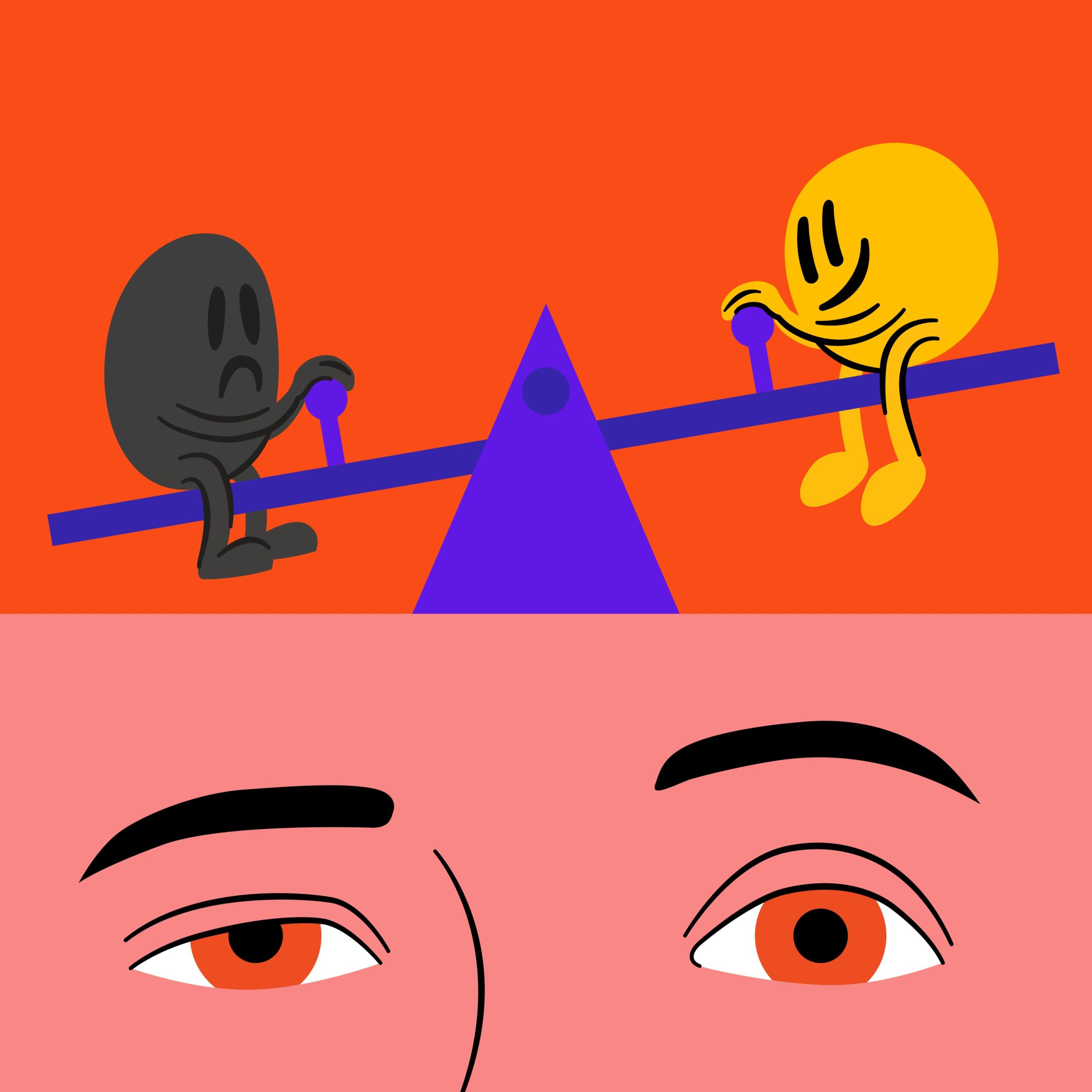
A guest with a decades-long gambling problem consistently rejects the 'addict' label. He instead refers to his compulsion as his 'action' or 'entertainment.' This psychological reframing allows him to perceive the destructive habit as a chosen lifestyle rather than a sickness he can't control.

Winning provides a powerful but temporary high. However, for some gambling addicts, the intense emotional state of losing—and the accompanying shame and destruction—becomes the true addiction. This self-sabotage recreates familiar patterns of childhood trauma, making the pain of the bottom a sought-after feeling.
People feeling financially trapped don't become more responsible. Instead, they enter a psychological "lost domain" where they re-evaluate risk and seek a single, high-stakes move to recover everything at once, often leading to a downward spiral.
