Get your free personalized podcast brief
We scan new podcasts and send you the top 5 insights daily.
Winning provides a powerful but temporary high. However, for some gambling addicts, the intense emotional state of losing—and the accompanying shame and destruction—becomes the true addiction. This self-sabotage recreates familiar patterns of childhood trauma, making the pain of the bottom a sought-after feeling.

Related Insights
Every addiction, from substance abuse to overeating, is a gamble. The addict is constantly betting against disastrous consequences, whether it's health problems, relationship ruin, or death. This reframes addiction not just as a dependency but as a high-stakes game against oneself.
Negreanu observed peers who would build a large bankroll, then blow it all. He realized it was subconscious self-sabotage. Having achieved their goal of "making money," they lacked a deeper purpose and would destroy their success to give themselves a new mission: rebuild.

Molly observed that extremely wealthy players reacted to losses with disproportionate fear and anger, despite the amounts being trivial to their net worth. This reveals that for high-achievers, losing triggers a deep-seated fear of losing control, making it a powerful psychological threat, not just a financial one.

The "disease model" of addiction is flawed because it removes personal agency. Addiction is more accurately understood as a behavioral coping mechanism to numb the pain of unresolved trauma. Healing requires addressing the root cause of the pain, not just treating the addiction as a brain defect.

When David Choe started collecting Pokémon cards, he got a rare, high-value card in his first pack. He identifies this immediate, significant reward as the worst thing that could have happened, as it instantly validated the gamble and provided the dopamine hit needed to fuel a new, intense addiction.
Many successful men maintain a perfectionist image rooted in childhood conditioning where love was conditional. When they inevitably fall short, they experience intense shame. Instead of seeking help, they self-medicate with various vices to cope, leading to a private downward spiral.

Addiction isn't defined by the pursuit of pleasure. It's the point at which a behavior, which may have started for rational reasons, hijacks the brain’s reward pathway and becomes compulsive. The defining characteristic is the inability to stop even when the behavior no longer provides pleasure and begins causing negative consequences.
A guest with a decades-long gambling problem consistently rejects the 'addict' label. He instead refers to his compulsion as his 'action' or 'entertainment.' This psychological reframing allows him to perceive the destructive habit as a chosen lifestyle rather than a sickness he can't control.

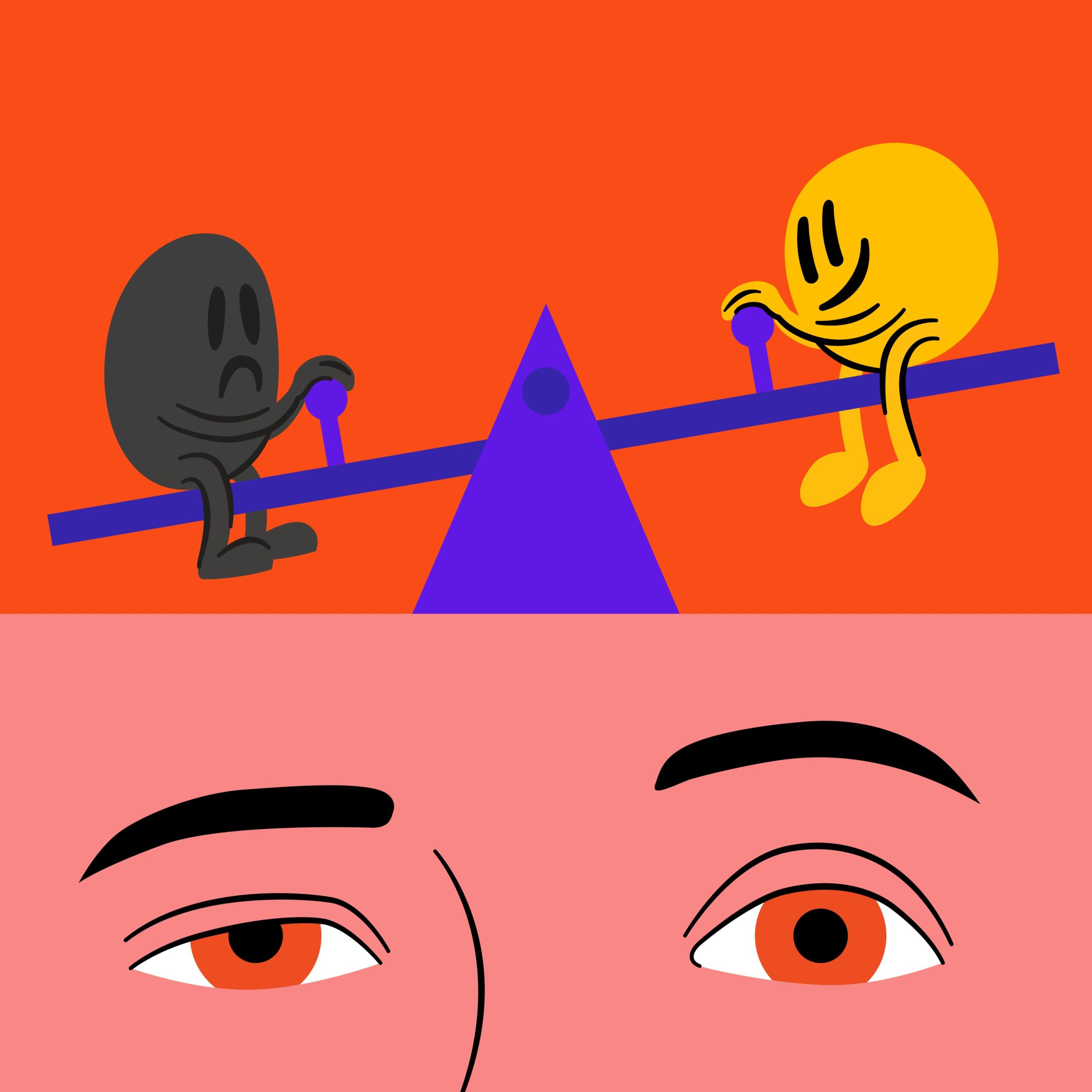
Constantly bombarding our reward pathways causes the brain to permanently weigh down the 'pain' side of its pleasure-pain balance. This alters our baseline mood, or 'hedonic set point,' meaning we eventually need our substance or behavior not to get high, but simply to escape a state of withdrawal and feel normal.
We focus on how to win, but failure is inevitable. How you react to loss determines long-term success. Losing money triggers irrational behavior—chasing losses or getting emotional—that derails any sound strategy. Mastering the emotional response to downswings is the real key.