Get your free personalized podcast brief
We scan new podcasts and send you the top 5 insights daily.
True recovery requires identifying and removing precursor behaviors that, while not the addiction itself, reliably trigger overwhelming cravings. For a sports gambling addict, this meant cutting out all sports media—not just betting apps—to redesign his environment for success.

Related Insights
Modern society turns normal behaviors like eating or gaming into potent drugs by manipulating four factors: making them infinitely available (quantity/access), more intense (potency), and constantly new (novelty). This framework explains how behavioral addictions are engineered, hijacking the brain’s reward pathways just like chemical substances.
Our brains are wired to release dopamine through social bonding via the hormone oxytocin. Addictions hijack this natural reward system, replacing deep human connection with a substance or behavior. A key part of recovery is reactivating this healthy pathway by moving out of isolation.
Deleting an app like Instagram for many months causes its algorithm to lose understanding of your interests. Upon returning, the feed is generic and unengaging, creating a natural friction that discourages re-addiction. A short, week-long break, however, triggers aggressive re-engagement tactics from the platform.

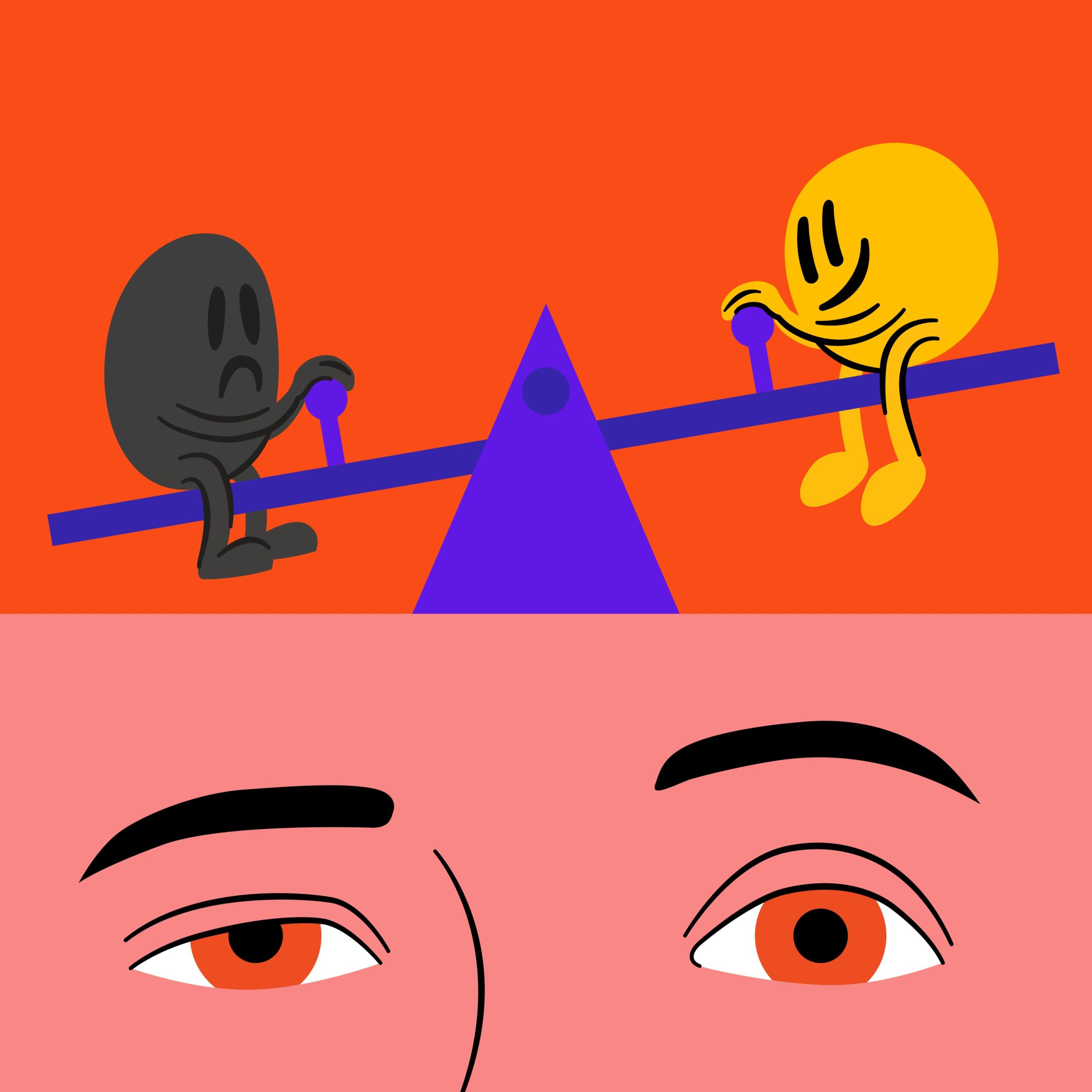
Many people use substances to treat anxiety or depression, not realizing the substance itself causes a dopamine deficit that mimics those conditions. Abstaining for four weeks allows the brain to reset its reward pathways and restore natural dopamine production, often resolving the symptoms entirely.
Individuals who maintain the longest recovery from addiction often commit to telling the truth in all matters, not just about their substance use. They see any small lie as the "first breach in the dam," compromising the psychological integrity required to prevent a relapse.
The true cost of social media isn't just the time spent posting; it's the constant mental energy dedicated to it—planning content, checking engagement, and comparing yourself to others. Stepping away frees up significant cognitive "white space," allowing for deeper, more strategic thinking.

Success is often viewed as a process of addition—new strategies, more habits. However, the most transformative action is often subtraction. Removing a single, significant negative element that drains energy and focus, like alcohol, unlocks far more potential than any new positive addition could.

Addiction isn't defined by the pursuit of pleasure. It's the point at which a behavior, which may have started for rational reasons, hijacks the brain’s reward pathway and becomes compulsive. The defining characteristic is the inability to stop even when the behavior no longer provides pleasure and begins causing negative consequences.
Psychiatrist Anna Lemke details her own obsession with romance novels, which began innocently but escalated to needing more graphic content, hiding her reading, and losing interest in family and work. Her story shows how any highly reinforcing behavior, not just illicit drugs, can become a true addiction.
The crash following a glucose spike activates the brain's craving center. This is a physiological command, not a lack of willpower. Stabilizing glucose levels eliminates the biological trigger for intense cravings, making them naturally disappear.
