Get your free personalized podcast brief
We scan new podcasts and send you the top 5 insights daily.
The novelty of AI-generated content wears off quickly. As audiences are exposed to more AI outputs (text, images, websites), they rapidly develop a sensitivity to its patterns and templates. What initially seems impressive and polished soon becomes recognizable as low-effort and cheap.
Related Insights
While AI tools once gave creators an edge, they now risk producing democratized, undifferentiated output. IBM's AI VP, who grew to 200k followers, now uses AI less. The new edge is spending more time on unique human thinking and using AI only for initial ideation, not final writing.
The most common marketing phrases generated by ChatGPT are now so overused they cause a 15% drop in audience engagement. Marketers must use a follow-up prompt to 'un-AI' the content, specifically telling the tool to remove generic phrases, corporate tone, and predictable language to regain authenticity.

While businesses are rapidly adopting AI for content creation and communication, Gen Z consumers have a strong aversion to anything that feels artificial or inauthentic. If this demographic can detect AI-generated content in sales or marketing, they are likely to ignore it, posing a significant challenge for brands targeting them.

As audiences grow tired of generic, low-effort AI content, brands can gain a competitive advantage. Focusing on authentic, human-driven, and even imperfect content will become a key differentiator and a core growth tactic in a saturated digital landscape.

AI is primarily a cost-saving tool, not a substitute for nuanced creative direction. Furthermore, a cultural backlash is emerging among younger consumers on social media who perceive AI content as inauthentic, actively criticizing brands like MrBeast and Liquid Death for using it.

Studies show people often prefer AI-generated art based on quality alone, but their preference flips to the human-created version once they know the source. This reveals a deep-seated bias for human effort, posing a significant "Catch-22" for marketers who risk losing audience appreciation if their AI usage is discovered.
Generative AI allows any marketer to quickly produce mediocre content. This saturation makes buyers more discerning and creates a significant opportunity for brands that invest in genuinely excellent, insightful content to stand out and build trust. Quality, not quantity, becomes the key differentiator.

As AI makes creating complex visuals trivial, audiences will become skeptical of content like surrealist photos or polished B-roll. They will increasingly assume it is AI-generated rather than the result of human skill, leading to lower trust and engagement.

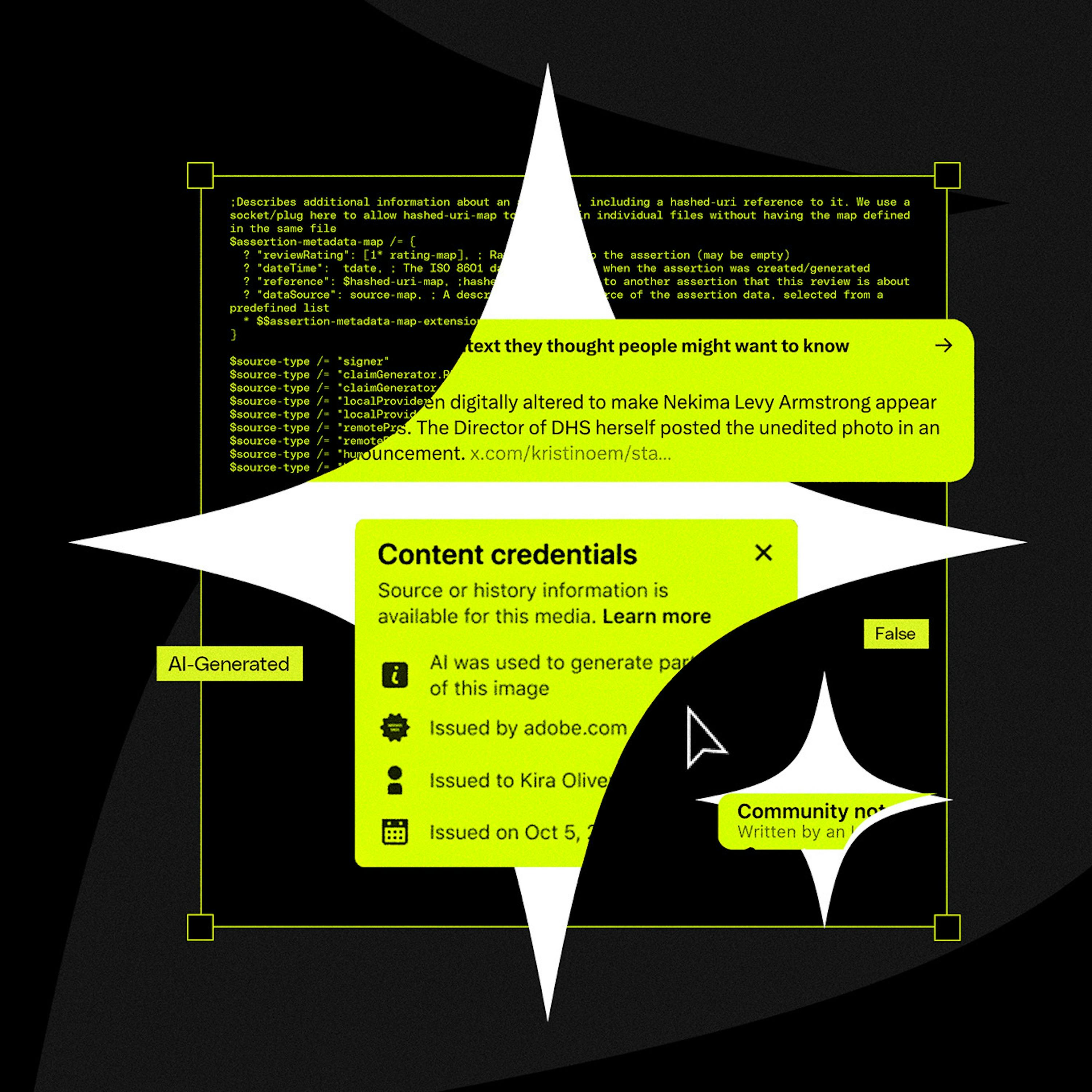
The "AI-generated" label carries a negative connotation of being cheap, efficient, and lacking human creativity. This perception devalues the final product in the eyes of consumers and creators, disincentivizing platforms from implementing labels that would anger their user base and advertisers.
Because AI can generate content in seconds, it is perceived as low-effort. This violates the "labor illusion," where effort signals quality. A study showed that when a poster was labeled "AI-powered" instead of "hand-drawn," purchase intent dropped by 61%. Brands using AI must reframe the narrative around the effort of building the system.
