Get your free personalized podcast brief
We scan new podcasts and send you the top 5 insights daily.
The paramilitary group's control over Darfur and the west effectively splits Sudan into two territories: one run by the RSF and the other by the conventional army in the east. This simplifies the conflict map but may be used as a negotiating tactic rather than an endpoint.
Related Insights
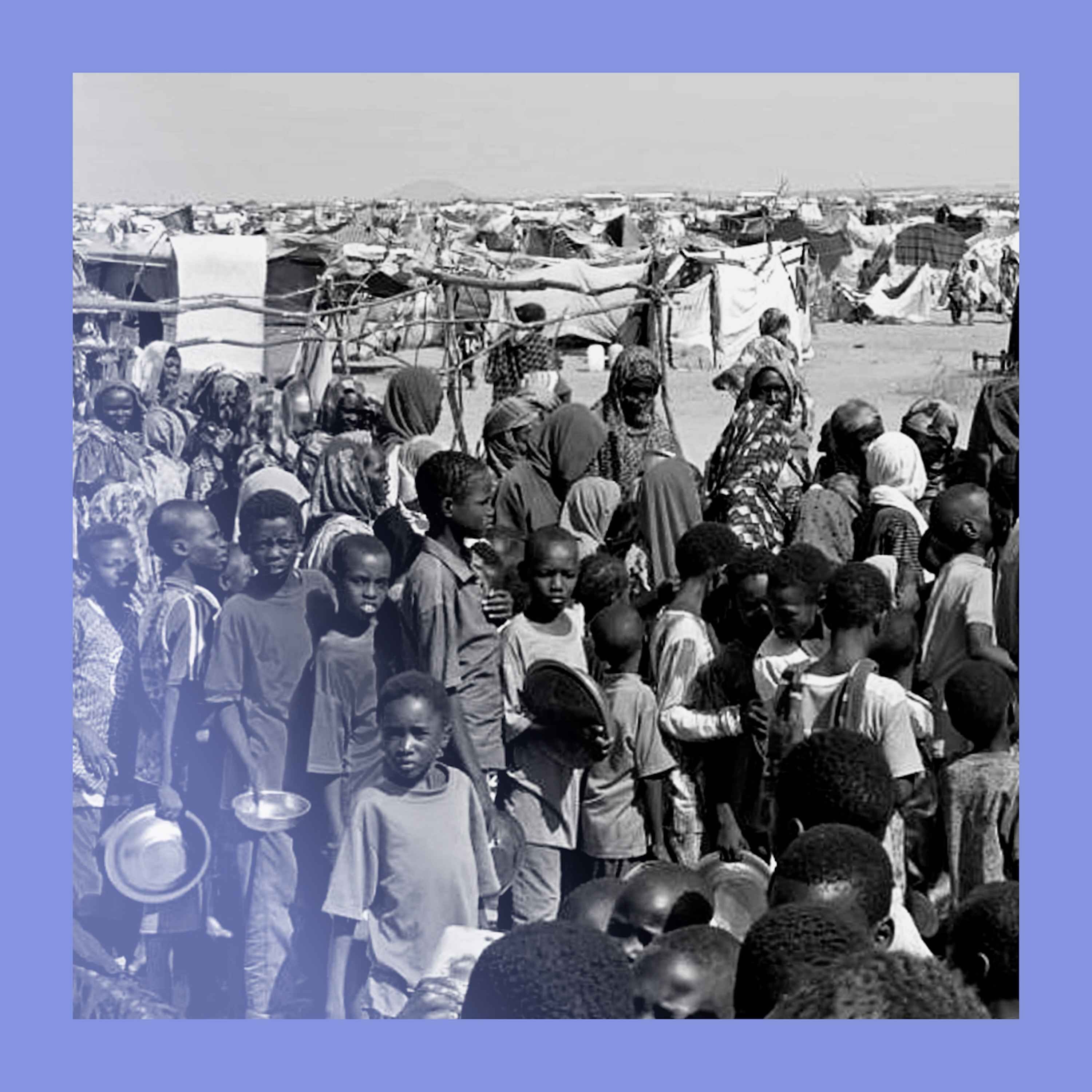
Despite clear evidence of massacres in El Fashir, the international response is muted compared to the celebrity-driven campaigns of the mid-2000s. Fractured media attention and the proliferation of global conflicts make it harder to sustain collective outrage for any single crisis.
Historically, Russia and China's strategy as continental empires involves avoiding two-front wars and actively destabilizing neighboring states. This creates buffer zones and prevents any single power from becoming a threat on their borders, ensuring their own security through regional instability.

Modern global conflict is primarily economic, not kinetic. Nations now engage in strategic warfare through currency debasement, asset seizures, and manipulating capital flows. The objective is to inflict maximum financial damage on adversaries, making economic policy a primary weapon of war.

Widespread suffering alone doesn't trigger a revolution. Historically, successful uprisings require a politically savvy, well-organized group with a clear agenda and influential leadership. Disparate and unorganized populations, no matter how desperate, tend to see their energy dissipate without causing systemic change.

When a political movement is out of power, it's easy to unify against a common opponent. Once they gain power and become the establishment, internal disagreements surface, leading to factions and infighting as they debate the group's future direction.

What appear as organic 'color revolutions' are often the result of a highly developed, academic playbook. This field, known as 'democratization studies' or 'civil resistance,' is taught at major universities and provides a systematic, step-by-step guide for orchestrating political change from the bottom up.

In times of extreme polarization, the political middle is not a safe haven but a kill zone. Moderates are targeted by both sides because they have no tribe to defend them. The escalating cost of neutrality forces everyone to pick a side, eliminating compromise and accelerating conflict.

The conflict between state and federal governments is moving beyond rhetoric into "soft secession." This involves states actively refusing to cooperate with the federal government on a practical level, such as withholding tax revenues, representing a significant escalation in political brinksmanship.

Geopolitical solutions based on earthly incentives like economic development are bound to fail when dealing with an ideology focused on martyrdom. If people believe the ultimate goal is paradise after death, they won't compromise for a better life for their children now.

A CIA task force analyzed 38 variables to predict political instability, including common assumptions like poverty and inequality. They found only two were highly predictive: 1) a country being a partial democracy, or “anocracy,” and 2) its political parties organizing around identity (race, religion) rather than ideology.
