As consumers use AI to analyze contracts and diagnose problems, sellers will deploy their own AI counter-tools. This will escalate negotiations from a battle between people to a battle between bots, potentially requiring third-party AI arbitrators to resolve disputes.
A collapse in public participation in national surveys, such as Britain's Labour Force Survey (from 70% to 20% response), is creating a data crisis. This directly threatens the ability of institutions like central banks to make informed decisions on crucial issues like interest rates.
The paramilitary group's control over Darfur and the west effectively splits Sudan into two territories: one run by the RSF and the other by the conventional army in the east. This simplifies the conflict map but may be used as a negotiating tactic rather than an endpoint.
Similar to SEO for search engines, advertisers are developing "Generative Engine Optimization" (GEO) to influence the results of AI chatbots. This trend threatens to compromise AI's impartiality, making it harder for consumers to trust the advice and information they receive.
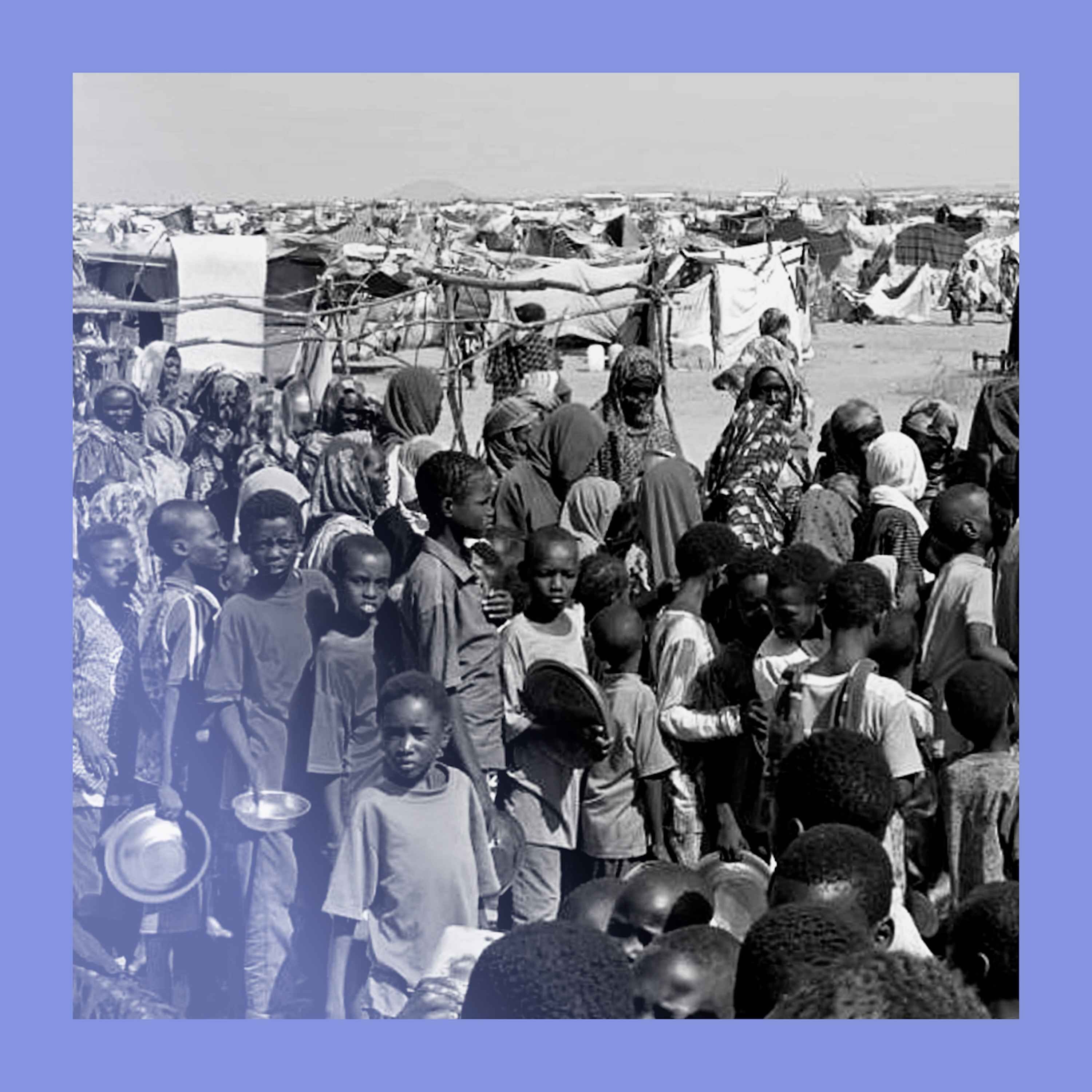
Despite clear evidence of massacres in El Fashir, the international response is muted compared to the celebrity-driven campaigns of the mid-2000s. Fractured media attention and the proliferation of global conflicts make it harder to sustain collective outrage for any single crisis.