Get your free personalized podcast brief
We scan new podcasts and send you the top 5 insights daily.
Lauren Castle says she tried hiring food scientists to solve the allergen-free dough, but the results tasted like a science project. She instead tested potato starch, tapioca starch, and oat flour daily in her apartment until it tasted like a warm homemade cookie rather than a lab product.

Related Insights
Despite running a company with a near $2 billion valuation, Olipop's CEO Ben Goodwin personally formulates every flavor. He views this hands-on work not as a hobby, but as his most direct and unfiltered expression to customers, ensuring the product quality that underpins the brand's success.
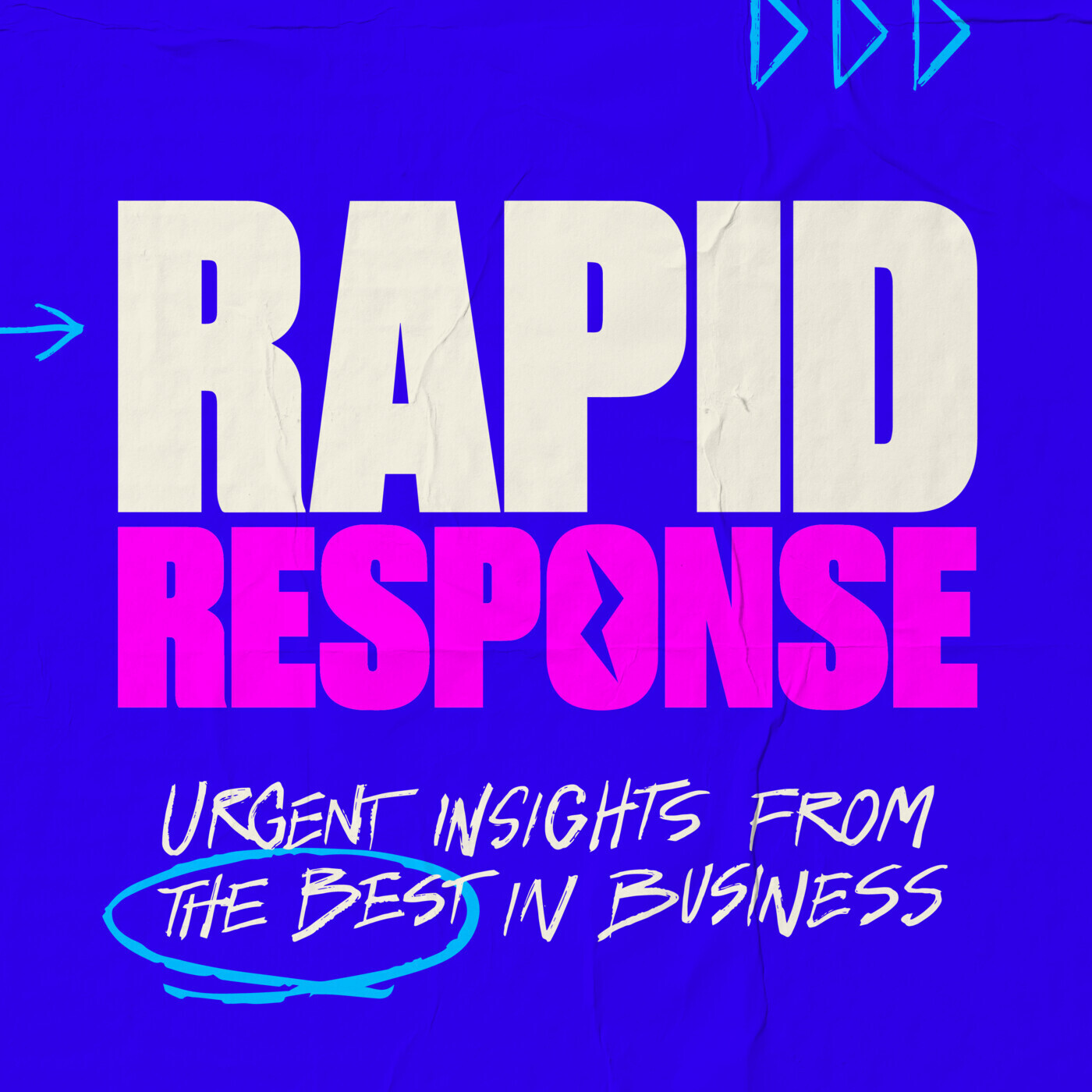
Feel Goods learned that perfecting a formula in a kitchen is misleading. Moving to a manufacturer introduces new suppliers and larger ingredient quantities, which drastically alters the final product's taste and consistency. This makes initial small-batch R&D far less valuable for scaling.
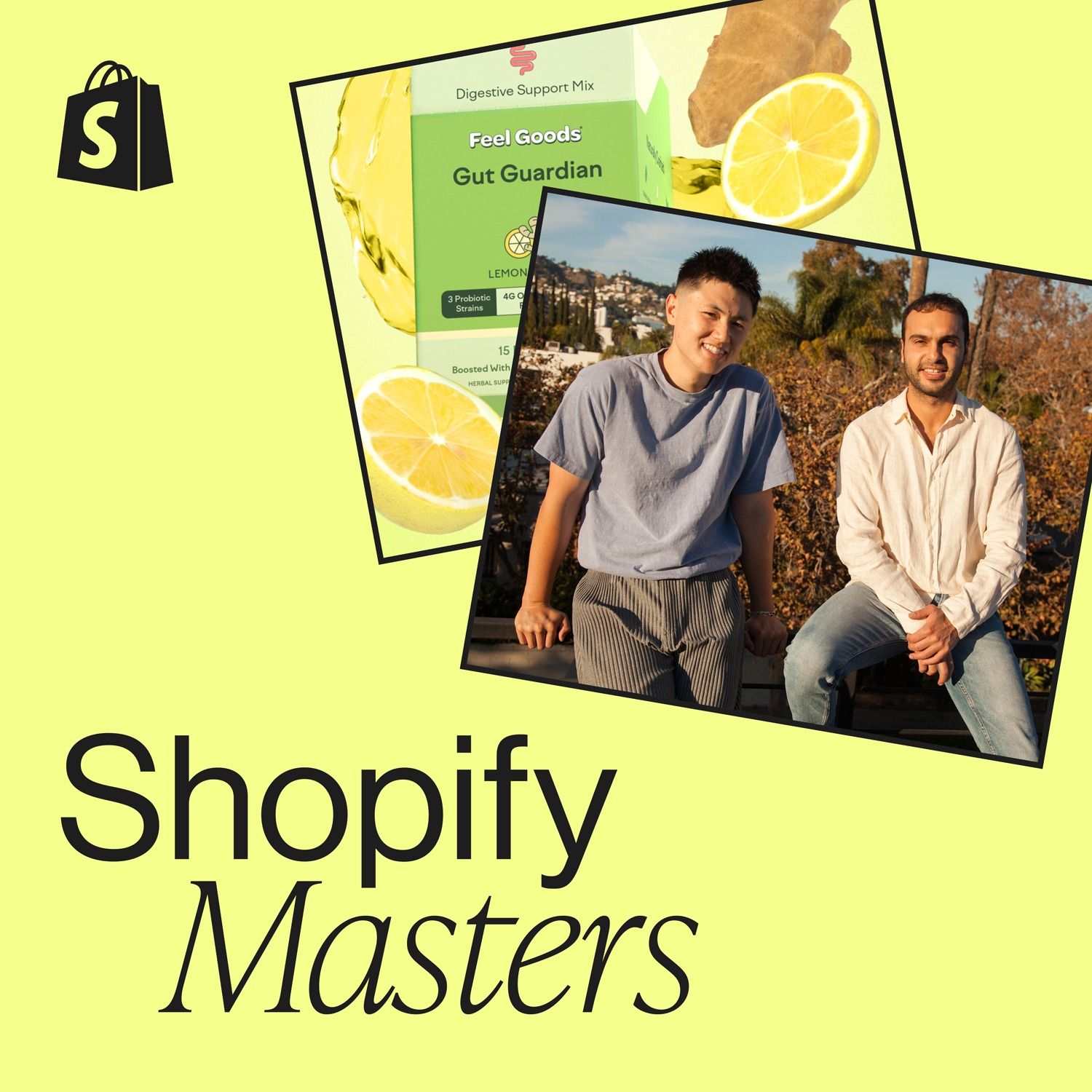
After the allergen-free chocolate chunk dough launched in 2017, it became Sweet Loren's top SKU in six months. Lauren Castle saw no reason to keep two lines because the free-from version tasted as good or better, so she made the whole brand allergen-free. Package call-outs remained, but they were no longer the loudest message.
Lacking food science expertise, the founders applied for jobs at a local from-scratch ice cream shop to learn the craft. This unconventional, hands-on approach to R&D not only provided crucial knowledge but also led to a key mentorship with the shop's owner.

Lauren Castle was not surveying customers, yet hundreds of messages arrived from families asking for nut-free, gluten-free, or soy-free dough. She cites that about 20% of Americans have dietary restrictions or food allergies, far beyond the roughly 1% with celiac disease. The inbox revealed a white space her formal research budget could not.
The founder, who has type one diabetes and epilepsy, developed his keto-friendly cereal because he was personally frustrated with the lack of good-tasting, low-carb options. This deep personal connection, or "founder-market fit," fueled his motivation and innovation.
As a vegetarian, Antonio Swad couldn't taste-test his own chicken wings. He innovated by developing sauces separately, licking them for flavor, and using employees as "guinea pigs" to validate the product. This proves a founder can succeed without being their own target user.
To perfect their recipe, the founders didn't just experiment randomly. They carefully deconstructed a high-end chocolatier's almond with a knife to understand its unique properties and palate, which informed their own development.
Array's founder first tapped her pharmacologist father and dietitian mother to research ingredients for her personal use. This allowed for high-level, free R&D and scientific validation before committing to building a full-fledged company, overcoming a major initial capital hurdle.

Founder Catherine Lockhart couldn't find a lab willing to work with her core ingredient (tallow) or meet her budget. She opted for the harder path of in-house manufacturing, which gave her full control over formulas and the ability to pivot quickly after launch issues.