Get your free personalized podcast brief
We scan new podcasts and send you the top 5 insights daily.
As a vegetarian, Antonio Swad couldn't taste-test his own chicken wings. He innovated by developing sauces separately, licking them for flavor, and using employees as "guinea pigs" to validate the product. This proves a founder can succeed without being their own target user.

Related Insights
Despite running a company with a near $2 billion valuation, Olipop's CEO Ben Goodwin personally formulates every flavor. He views this hands-on work not as a hobby, but as his most direct and unfiltered expression to customers, ensuring the product quality that underpins the brand's success.
Knowing too much about an industry's conventional wisdom can be paralyzing. Chomps' co-founder reflects that their early naivete was a strength, allowing them to follow their intuition and build the business in an unconventional way without being deterred by industry norms.
Despite Wingstop's explosive growth, founder Antonio Swad, a vegetarian, felt increasingly hypocritical. A visceral vision of a stadium filled with chickens, representing the scale of his business, became a haunting moral trigger that prompted him to sell the company.
Before writing code, the founder acted as the "automation," manually inputting orders for the first 100 restaurants. This Wizard of Oz approach validated demand and the workflow with zero development cost, allowing for an instant launch.

Lancer Skincare's founder, a practicing dermatologist, provides a unique feedback channel. Daily patient interactions offer direct insights into product performance and identify market gaps for new products, a method more authentic and effective than traditional focus groups.

To perfect their recipe, the founders didn't just experiment randomly. They carefully deconstructed a high-end chocolatier's almond with a knife to understand its unique properties and palate, which informed their own development.
To achieve true product-market fit, Waterboy intentionally prevented its co-founder with a social media following from creating early content. This strategy ensured that traction was from organic interest, not a pre-existing audience, providing unbiased validation for the product idea.

To identify non-consensus ideas, analyze the founder's motivation. A founder with a deep, personal reason for starting their company is more likely on a unique path. Conversely, founders who "whiteboarded" their way to an idea are often chasing mimetic, competitive trends.
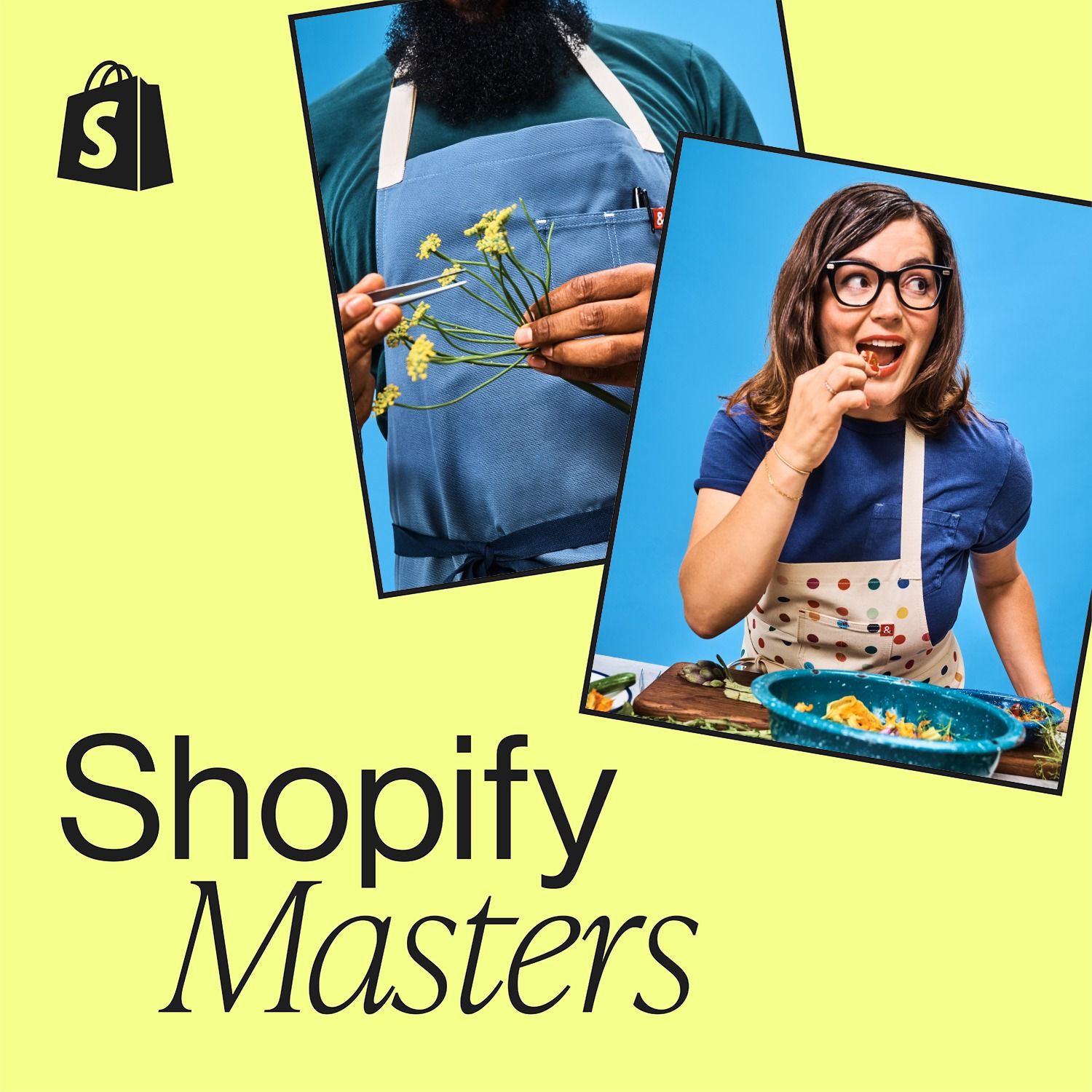
Hedley & Bennett founder Ellen Bennett, a line cook herself, used top chefs as a real-time focus group. By asking her target audience directly what was wrong with existing products and what they needed, she gathered all the building blocks to create a superior product without formal R&D.
During its long, pre-revenue build, Runway couldn't rely on constant market feedback. Instead, they depended on the founder's "taste"—defined as knowing what's good without external validation. This internal conviction is crucial for ambitious products that aren't a "random walk" of testing.
