Get your free personalized podcast brief
We scan new podcasts and send you the top 5 insights daily.
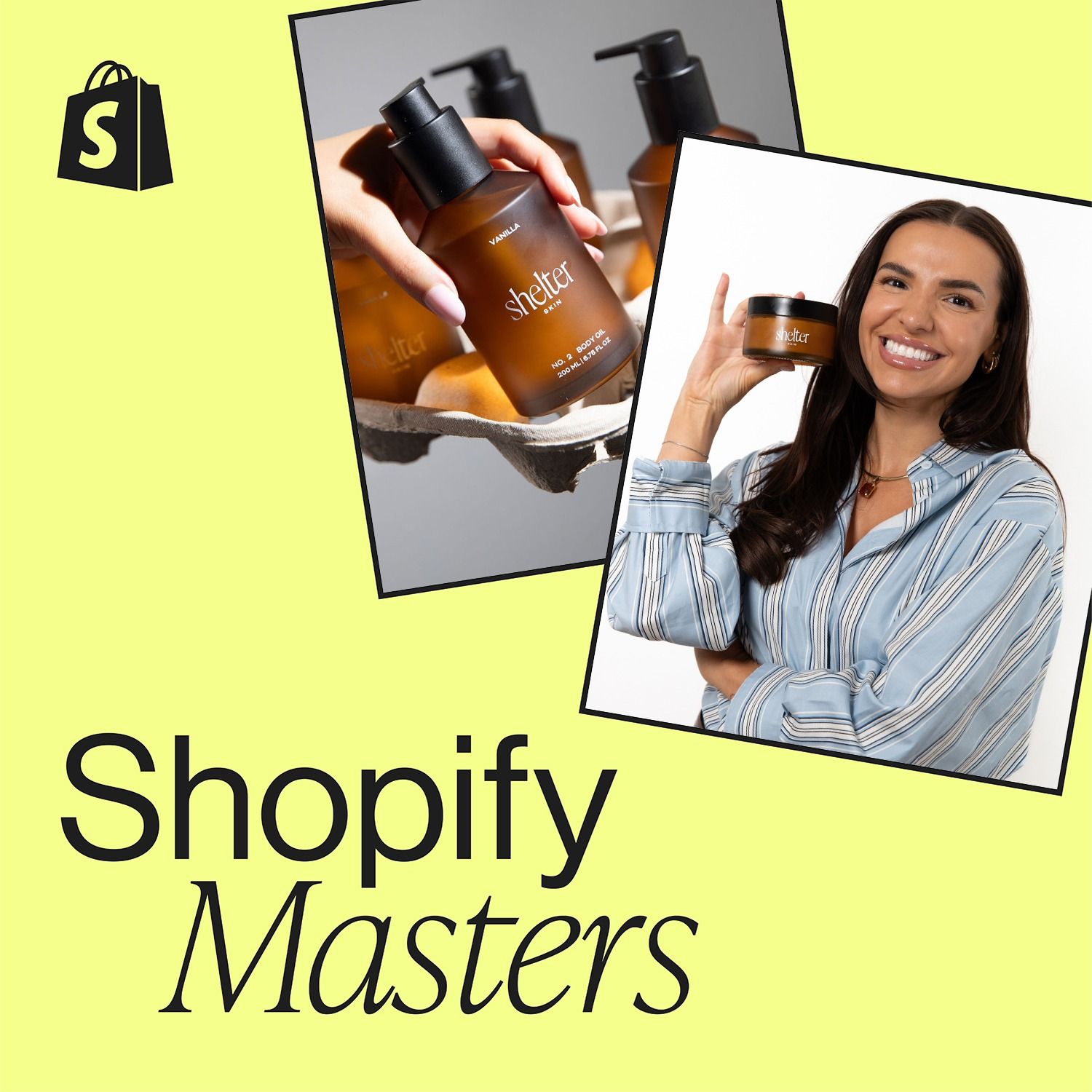
Founder Catherine Lockhart couldn't find a lab willing to work with her core ingredient (tallow) or meet her budget. She opted for the harder path of in-house manufacturing, which gave her full control over formulas and the ability to pivot quickly after launch issues.
Related Insights
Despite running a company with a near $2 billion valuation, Olipop's CEO Ben Goodwin personally formulates every flavor. He views this hands-on work not as a hobby, but as his most direct and unfiltered expression to customers, ensuring the product quality that underpins the brand's success.
Instead of starting in a kitchen, CPG entrepreneur Emma Hernan bought a manufacturing facility first. This generated revenue by co-packing for other brands, secured her own supply chain, and created multiple income streams from a single asset before her product even launched.

Founder Catherine Lockhart isn't afraid of copycats. She shares her manufacturing process openly, believing the sheer difficulty of execution is a sufficient barrier to entry. This radical transparency builds customer trust and turns potential trade secrets into a powerful marketing asset.
Persisting with a difficult, authentic, and more expensive production process, like using fresh ingredients instead of flavorings, is not a liability. It is the very thing that builds a long-term competitive advantage and a defensible brand story that copycats cannot easily replicate.

When factories in China refused to produce his insulated bottle, Travis didn't give up. He rented time on their assembly line and physically built the necessary machine modifications himself, buying screws and metal plates to adapt their equipment. This is an extreme form of taking ownership of the supply chain.
Instead of buying expensive, custom-built lab equipment, Shelter Skin creatively repurposed machinery from the food and beverage industry, like bakery mixers and milk pasteurizers. This resourceful approach enabled them to scale production on a bootstrapped budget, proving ingenuity can replace capital.
To avoid the operational chaos of viral success, Shelter Skin deliberately caps production to match what they can manufacture and ship themselves. This prevents them from overselling and allows for sustainable, bootstrapped growth, even if it means frustrating some customers with temporary stockouts.
Jane Wurwand wishes she'd known sooner that no external expert understands your business, customers, or emotional drivers better than you do. While you can hire for experience, the founder's intimate knowledge is irreplaceable. For a long time, she felt like she was "winging it" before realizing this truth.
When Shelter Skin's first shipment melted in transit, their vertically integrated model was a lifesaver. They could immediately change product seals and packaging. Had they outsourced to a lab, they would have been stuck with 10,000 faulty units and a potential $150,000 loss.
Shelter Skin's founder uses her personal Instagram following as a real-time focus group. By posting polls about packaging and product details, she gets immediate data from her ideal customers, eliminating the cost and time of traditional market research and fostering community co-creation.