Get your free personalized podcast brief
We scan new podcasts and send you the top 5 insights daily.
Lacking food science expertise, the founders applied for jobs at a local from-scratch ice cream shop to learn the craft. This unconventional, hands-on approach to R&D not only provided crucial knowledge but also led to a key mentorship with the shop's owner.

Related Insights
To build a complex real-world business, the founding team did every job themselves. This hands-on experience provided critical insights that algorithms or data analysis alone could never uncover, such as knowing not to assign a driver if food isn't ready.

Despite running a company with a near $2 billion valuation, Olipop's CEO Ben Goodwin personally formulates every flavor. He views this hands-on work not as a hobby, but as his most direct and unfiltered expression to customers, ensuring the product quality that underpins the brand's success.
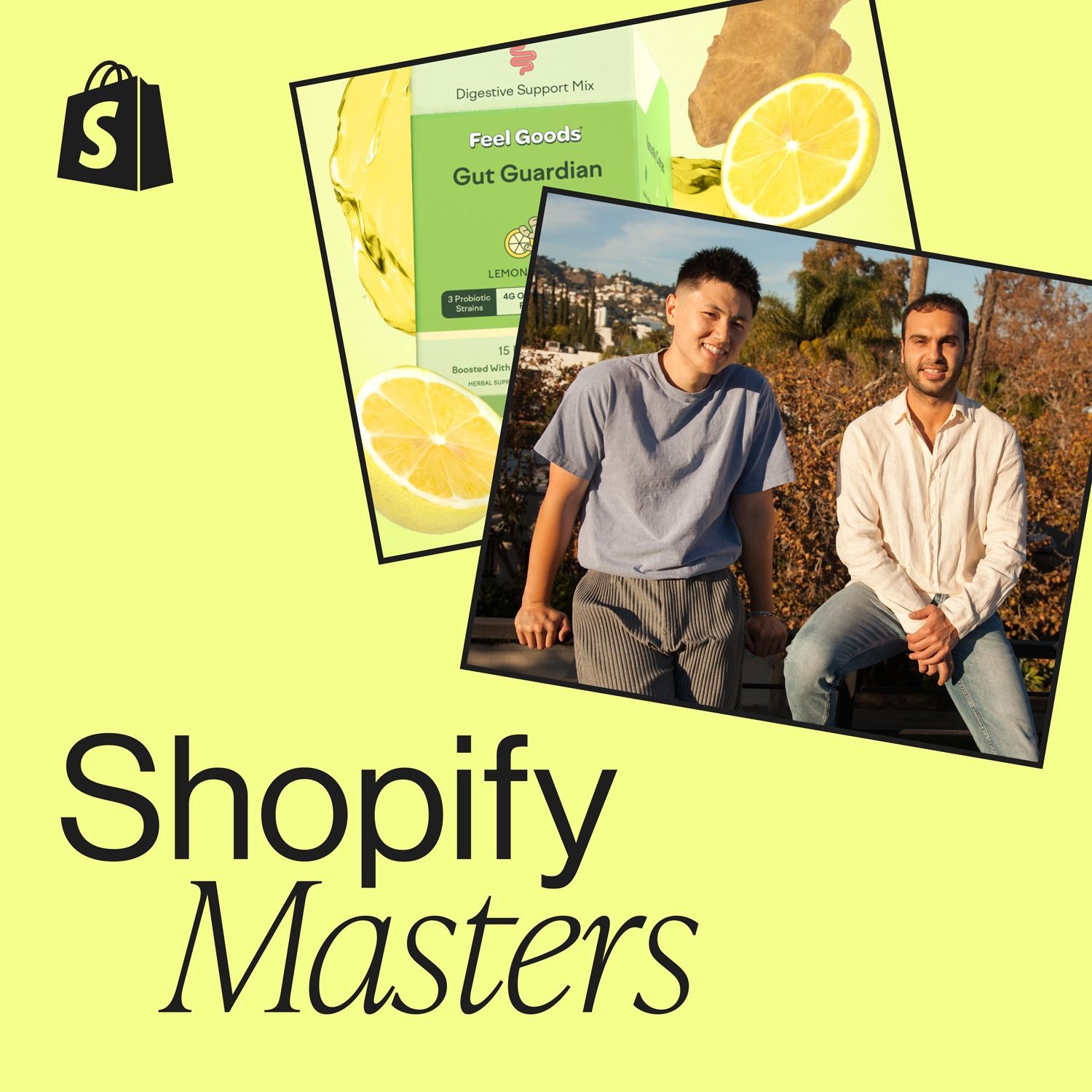
Feel Goods learned that perfecting a formula in a kitchen is misleading. Moving to a manufacturer introduces new suppliers and larger ingredient quantities, which drastically alters the final product's taste and consistency. This makes initial small-batch R&D far less valuable for scaling.
Rather than iterating on existing bars, Peter Rahal designed his ideal "protein delivery system" from first principles: maximize protein, minimize calories. This goal-oriented approach, free from industry conventions, led him to discover and utilize the novel fat substitute EPG, which became his key differentiator.
To perfect their recipe, the founders didn't just experiment randomly. They carefully deconstructed a high-end chocolatier's almond with a knife to understand its unique properties and palate, which informed their own development.

Array's founder first tapped her pharmacologist father and dietitian mother to research ingredients for her personal use. This allowed for high-level, free R&D and scientific validation before committing to building a full-fledged company, overcoming a major initial capital hurdle.

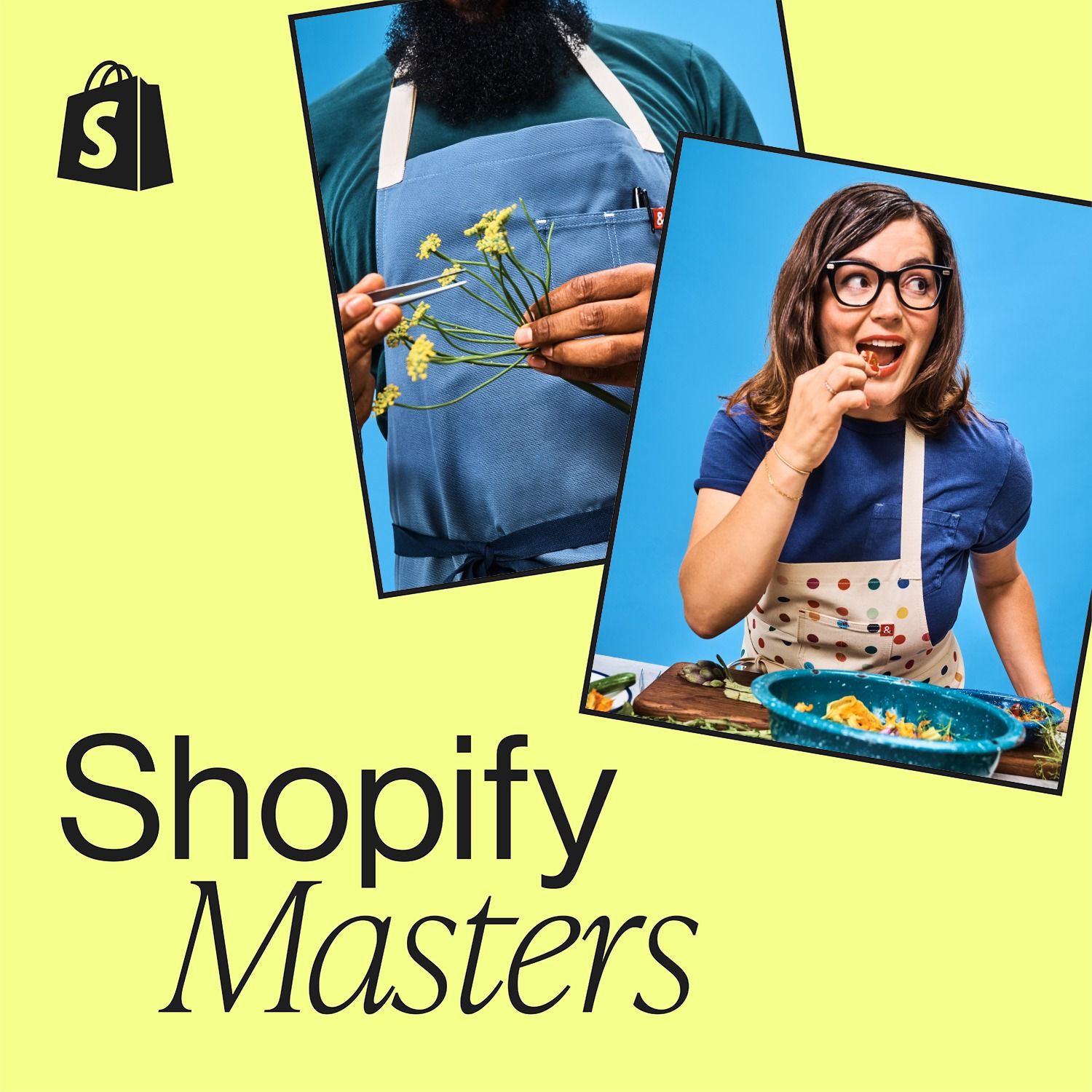
Hedley & Bennett founder Ellen Bennett, a line cook herself, used top chefs as a real-time focus group. By asking her target audience directly what was wrong with existing products and what they needed, she gathered all the building blocks to create a superior product without formal R&D.
Breezy Griffith's early ventures, like selling sorbets and sandwiches at a loss, weren't failures. They were crucial learning experiences that built the foundational skills and resilience needed to launch a successful CPG brand.
Founders in CPG should personally master the hands-on production of their product before outsourcing. This deep knowledge of the process is invaluable, equipping you to ask specific technical questions and properly evaluate a co-manufacturer's capabilities, ensuring quality is maintained at scale.
The founder saw millions making protein ice cream at home with Ninja Creamy machines but identified the inconvenience (prep time, ingredients) as a key pain point. His CPG brand offers a ready-to-eat solution to a problem that a popular appliance created.