Get your free personalized podcast brief
We scan new podcasts and send you the top 5 insights daily.
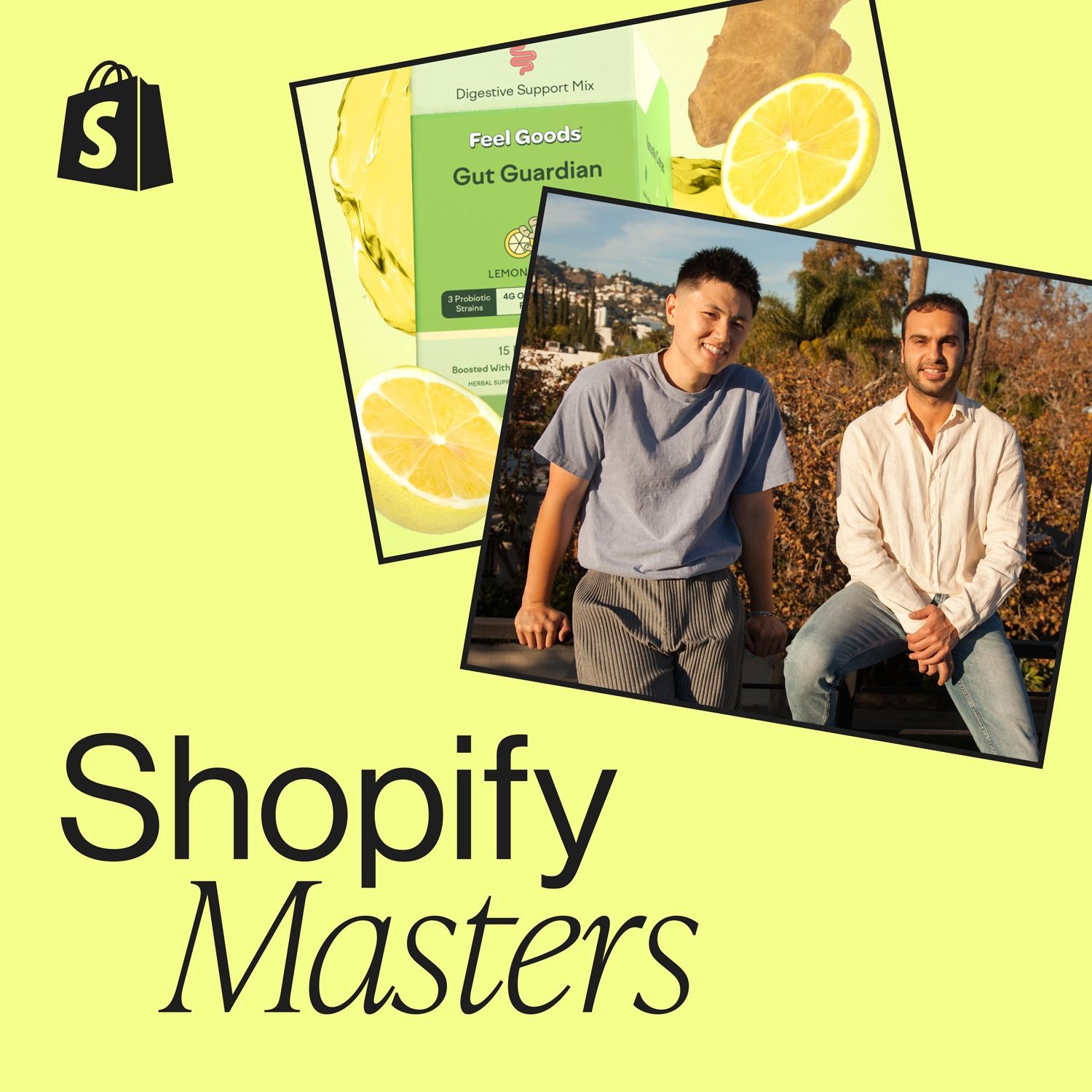
Feel Goods learned that perfecting a formula in a kitchen is misleading. Moving to a manufacturer introduces new suppliers and larger ingredient quantities, which drastically alters the final product's taste and consistency. This makes initial small-batch R&D far less valuable for scaling.
Related Insights
Many companies knowingly use inefficient spray-dried formulations to quickly enter Phase 1 trials, deferring major manufacturing and volumetric challenges until later development stages. This "good enough for now" approach often necessitates a complete, costly reformulation later on.

The conventional wisdom for CPG startups was to be "asset-light" and use co-packers. However, owning the supply chain provides crucial control over quality, production schedules, and cash flow, preventing startups from being pushed aside by a co-packer's larger clients. This control is now a key diligence point.

To land a large retail contract (e.g., Whole Foods), a brand must prove it can produce at scale. However, investing in scaling operations is a massive financial risk without a guaranteed contract, creating a critical strategic impasse for growing brands.

When leading beverage manufacturers refused to produce their unique, raw-ingredient recipe, the founders built their own bespoke manufacturing facility. This vertical integration was necessary to maintain product quality and bring their vision to market, despite the challenge of building two businesses at once.

To ensure a smooth transition from development to production, an operations or manufacturing SME must be part of the design process from the start. Otherwise, products are developed without manufacturability in mind, leading to expensive, reactive fixes and subjective quality control during scale-up.

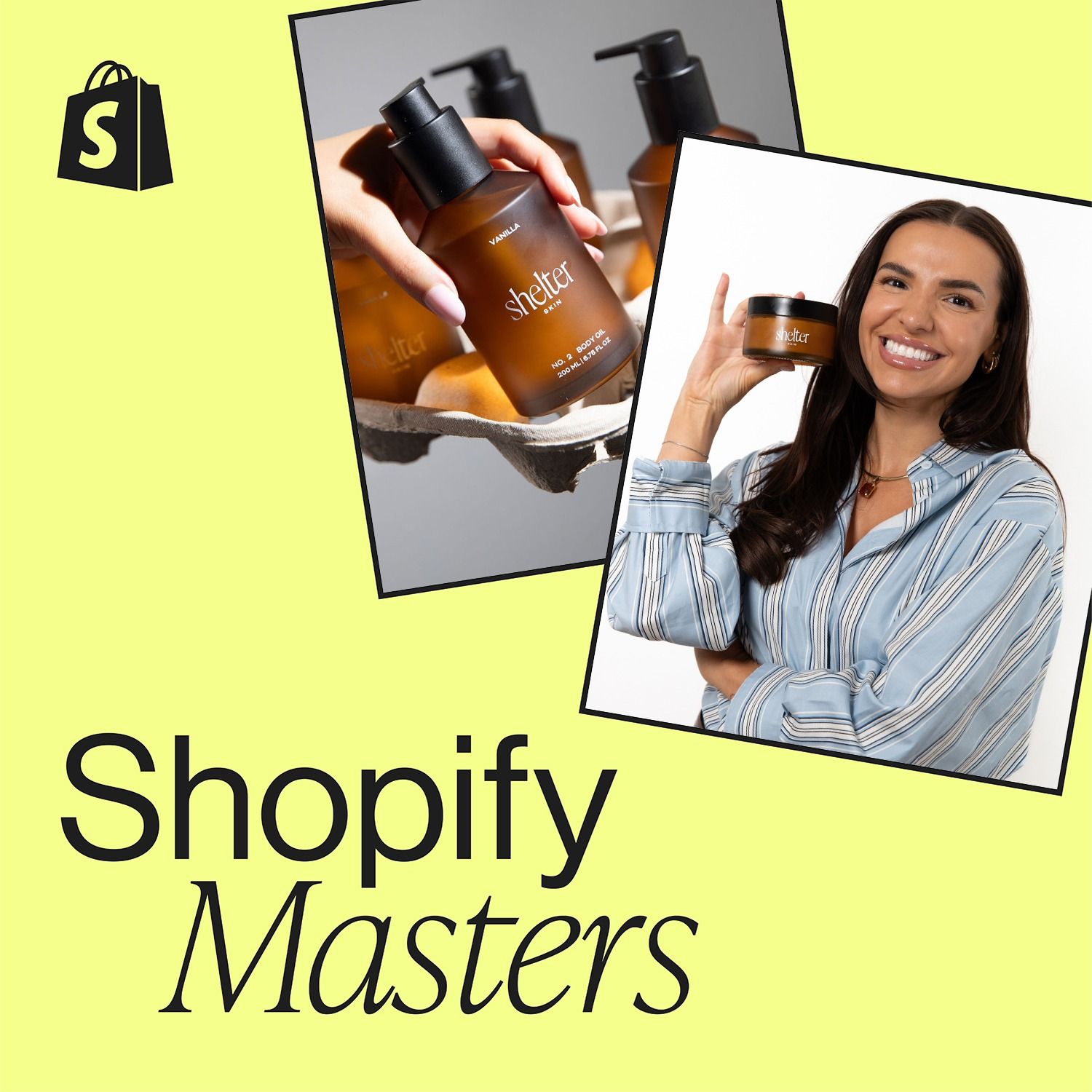
Founder Catherine Lockhart couldn't find a lab willing to work with her core ingredient (tallow) or meet her budget. She opted for the harder path of in-house manufacturing, which gave her full control over formulas and the ability to pivot quickly after launch issues.
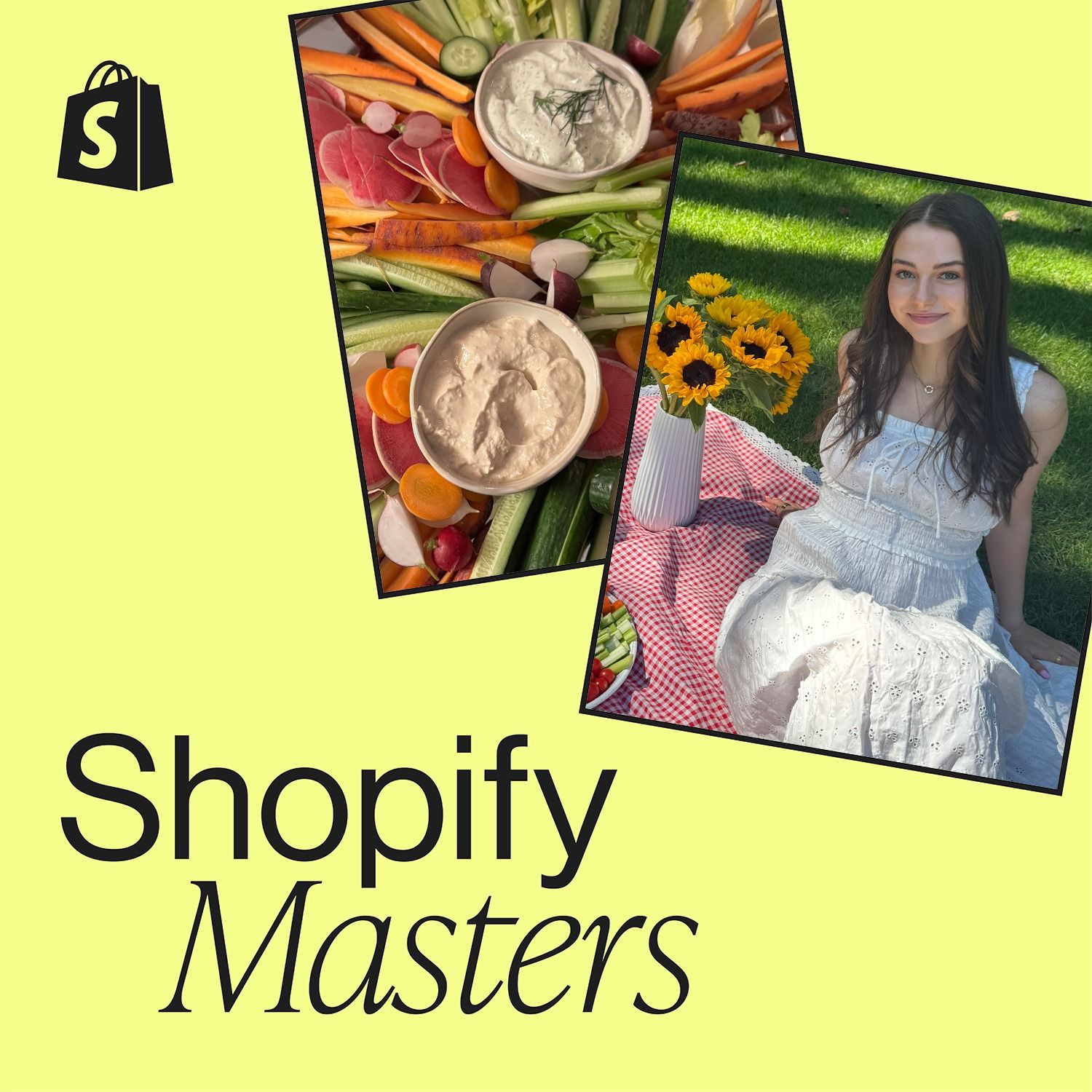
Instead of a traditional big-bang retail launch, Magic Mind first sold direct-to-consumer (D2C). This allowed for 150+ product iterations based on direct customer feedback, ensuring product-market fit *before* scaling into high-stakes retail channels, a strategy borrowed from software development.

Founders in CPG should personally master the hands-on production of their product before outsourcing. This deep knowledge of the process is invaluable, equipping you to ask specific technical questions and properly evaluate a co-manufacturer's capabilities, ensuring quality is maintained at scale.
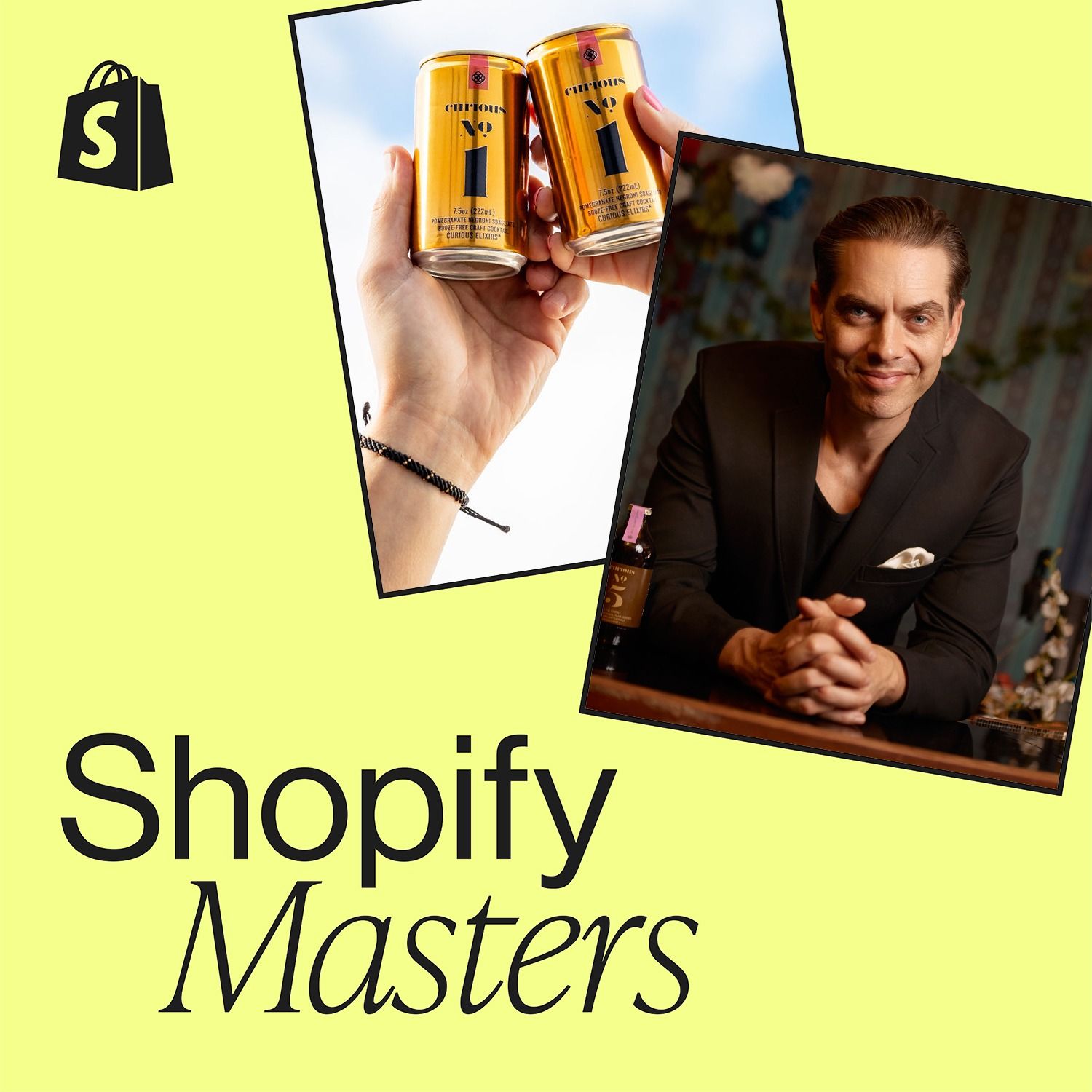
To create its complex non-alcoholic cocktails, Curious Elixirs had to first partner with food scientists to invent foundational ingredients, like non-alcoholic gentian extract, that didn't exist. True category creation required building the supply chain, not just the end product.
After a partner changed a product's formula and wiped out his sales, Daniel Lubetzky learned a vital lesson. For KIND, he insisted on owning the recipes and controlling the manufacturing process to ensure brand consistency and prevent external decisions from destroying his business.
