Get your free personalized podcast brief
We scan new podcasts and send you the top 5 insights daily.
After the allergen-free chocolate chunk dough launched in 2017, it became Sweet Loren's top SKU in six months. Lauren Castle saw no reason to keep two lines because the free-from version tasted as good or better, so she made the whole brand allergen-free. Package call-outs remained, but they were no longer the loudest message.

Related Insights
The 'Flat White or F Off' brand's core rule is one product. However, after their viral videos were flooded with comments asking for non-dairy options, they added oat milk. They realized ignoring overwhelming customer feedback was a greater business risk than slightly diluting brand purity.

A product can be successful in sales but still be detrimental to the business. Fly by Jing cut its popular frozen dumplings because they diverted focus and had worse margins than their core sauces. Success isn't the only metric for a product's value.

MadeGood intentionally avoided branding itself solely as an 'allergen-free' product. They focused on great taste first, making the allergen-free aspect a secondary benefit. This prevented non-allergic consumers from self-selecting out and significantly broadened their market appeal.
Guy Raz points out that if Sweet Loren's had already been a household name before 2017, suddenly going allergen-free would have seemed odd. Because growth was slow and regional, many shoppers first discovered the brand after it had already become allergen-free. The rebrand arrived before broad awareness, not after it.
Lauren Castle was not surveying customers, yet hundreds of messages arrived from families asking for nut-free, gluten-free, or soy-free dough. She cites that about 20% of Americans have dietary restrictions or food allergies, far beyond the roughly 1% with celiac disease. The inbox revealed a white space her formal research budget could not.
After years of small regional sales and product-market fit work, Sweet Loren's became fully profitable in 2018, the year it went all-in on allergen-free dough. Lauren Castle describes it as finally building a healthy, growing, differentiated business. Profitability followed the pivot, not the earlier growth alone.
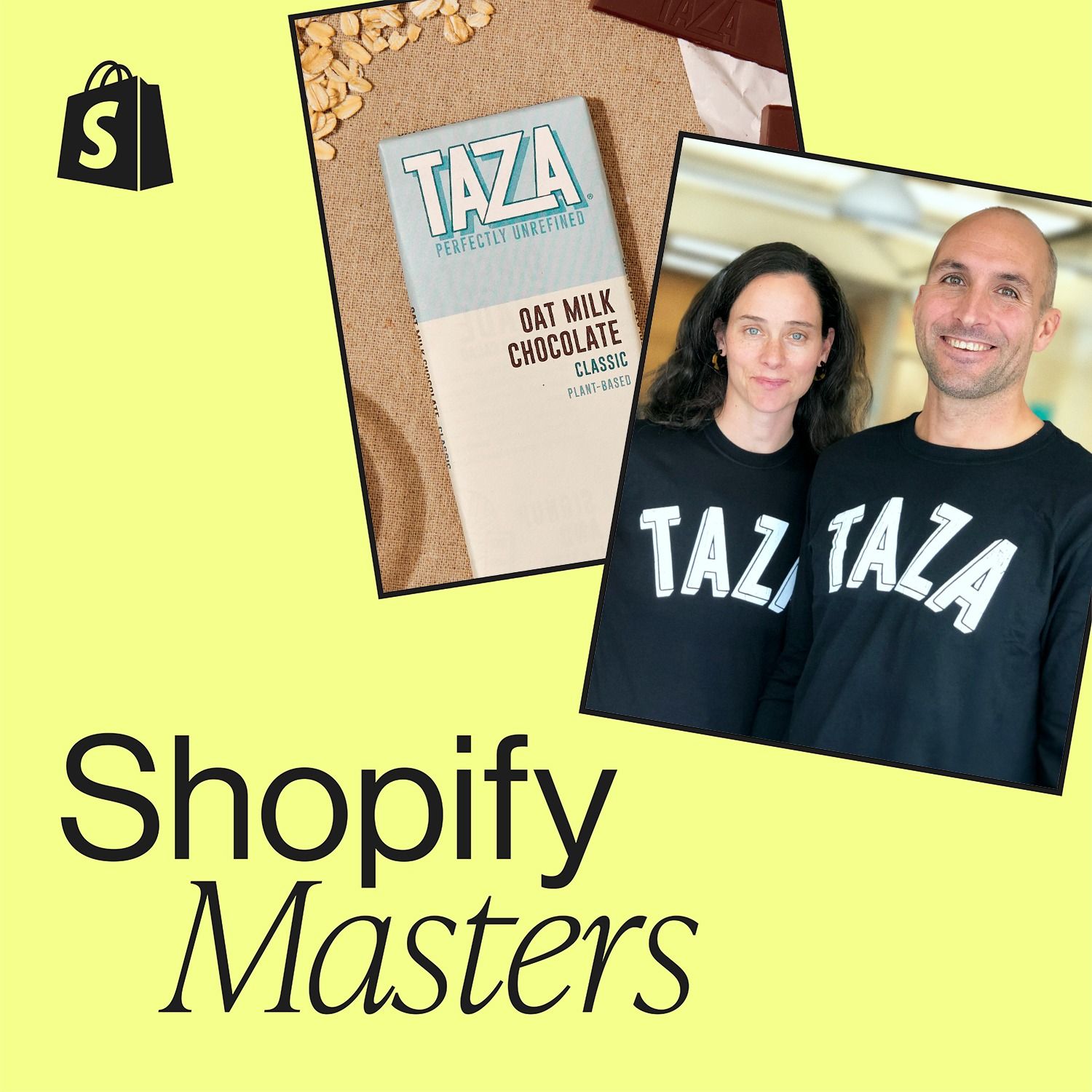
Taza avoided dairy and gluten not for a market trend, but to simplify a complex manufacturing process. This early operational decision inadvertently positioned them perfectly for the future rise of vegan and allergen-free consumer demands, creating a long-term competitive advantage they didn't foresee.
After entering Kroger and Publix, Lauren Castle skipped national sampling because it was too expensive. She leaned into magenta packaging to pop off shelf next to Toll House and Pillsbury, and used promotions like two-for-nine pricing to prompt first trials. Shelf visibility and price breaks had to do the work sampling once did.
Lauren Castle says she tried hiring food scientists to solve the allergen-free dough, but the results tasted like a science project. She instead tested potato starch, tapioca starch, and oat flour daily in her apartment until it tasted like a warm homemade cookie rather than a lab product.
Instead of using a co-packer, MadeGood built its own factory. This costly move was essential for guaranteeing their 'allergen-free' promise, allowing them to control the entire supply chain and manufacturing process, which provided peace of mind and brand integrity.