Get your free personalized podcast brief
We scan new podcasts and send you the top 5 insights daily.
The coveted "10x engineer"—known for hyper-focus and immense productivity—often maps directly onto autistic traits. This association has made certain autistic characteristics, like abruptness and non-conformity, high-status signals, which others then mimic for perceived professional advantage.

Related Insights
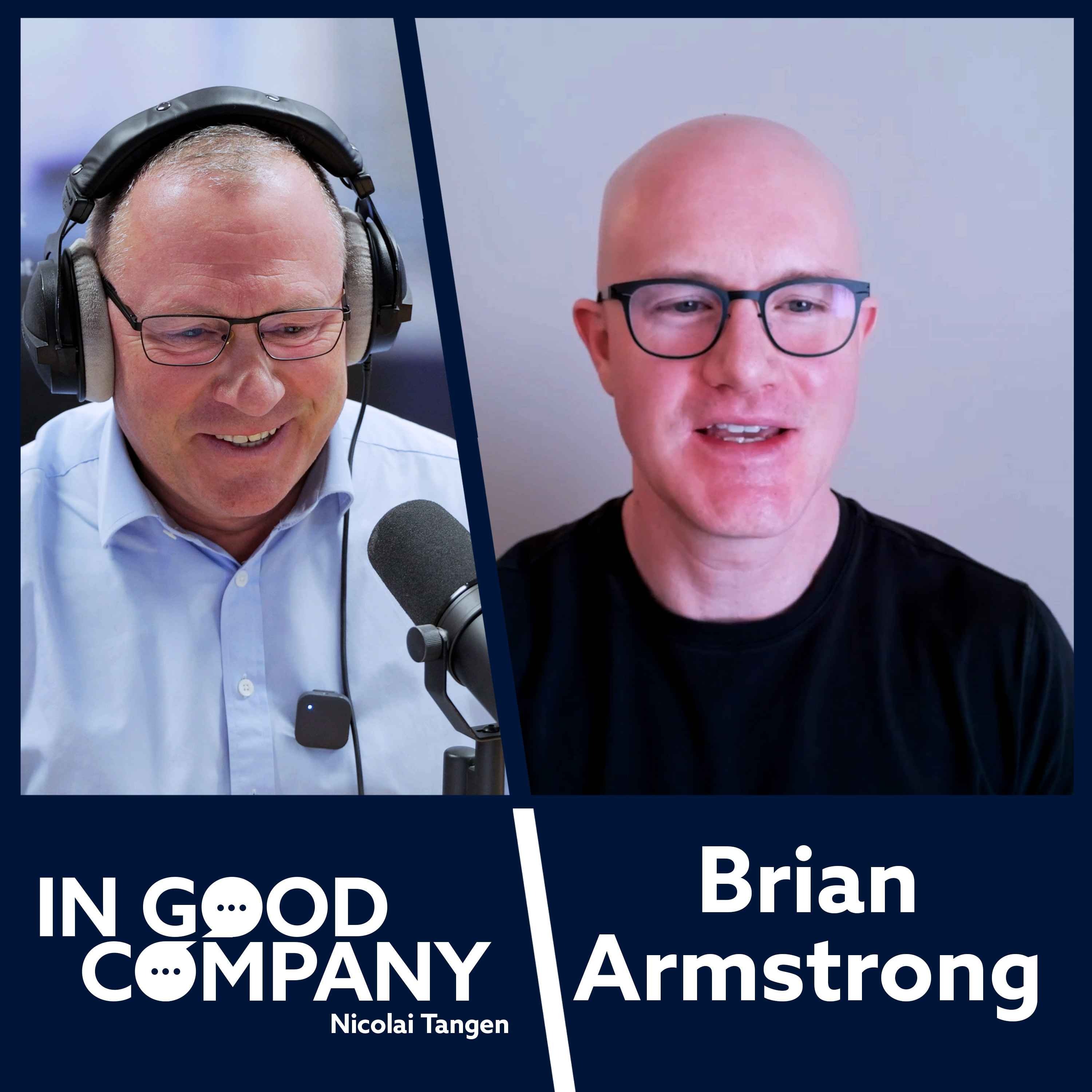
Brian Armstrong suggests his success is linked to a trait associated with the autism spectrum: a reduced concern for social cohesion. This allows him to ask seemingly "dumb" questions and pursue non-consensus ideas without fear of looking foolish, which is crucial for finding unique insights and driving innovation.
The Broader Autism Phenotype (BAP) refers to people with subclinical autistic traits who don't qualify for a diagnosis. These individuals often share traits that lead them to gravitate towards the same fields (e.g., engineering) and social circles as autistic people.
In settings like startups with many autistic engineers, neurotypical people often begin mimicking autistic communication norms (e.g., abruptness). This happens because autistic individuals tend not to assimilate to social norms, while others naturally mimic those around them, creating a distinct subculture.
VC Peter Thiel argues that founders with mild Asperger's have an advantage because they lack the 'imitation socialization gene.' This makes them immune to social pressure that often dilutes weird, creative, and world-changing ideas before they can mature.

Nick Bostrom suggests the perception that tech leaders like humanity but not humans is a misinterpretation. He argues it's more likely due to personality traits common in the field (introversion, high focus on technical problems) and intense competition, rather than a genuine dislike for people.

Individuals are claiming conditions like autism to create a unique identity, similar to 'stolen valor.' This trend diminishes the struggles of those with genuine diagnoses and uses the condition as a social crutch or excuse.

Strengths that make neurodivergent individuals great individual contributors, like hyper-focus on detail, can backfire in executive settings. Leading with details and edge cases gets them labeled as "not strategic," creating a career trap that is difficult to escape.

Successful individuals earn 'idiosyncrasy credit,' allowing them to deviate from social norms. However, observers often make the mistake of assuming these eccentricities were necessary for success. In reality, these behaviors are often tolerated or hidden until success provides the freedom to express them.

A partner at a top investment fund revealed they specifically invest in three founder archetypes: those with megalomania, autism, or a desire for revenge. This suggests that pathological drives, rather than rational ambition, are seen as necessary ingredients for outlier success.

Vittorio Angelone explains his adult autism diagnosis, highlighting that his ability to "mask" (hide his autism) is a skill honed by his profession. Stand-up requires delivering scripted lines as if spontaneous, mirroring how he navigates social life with pre-planned responses.
