Get your free personalized podcast brief
We scan new podcasts and send you the top 5 insights daily.
VC Peter Thiel argues that founders with mild Asperger's have an advantage because they lack the 'imitation socialization gene.' This makes them immune to social pressure that often dilutes weird, creative, and world-changing ideas before they can mature.

Related Insights
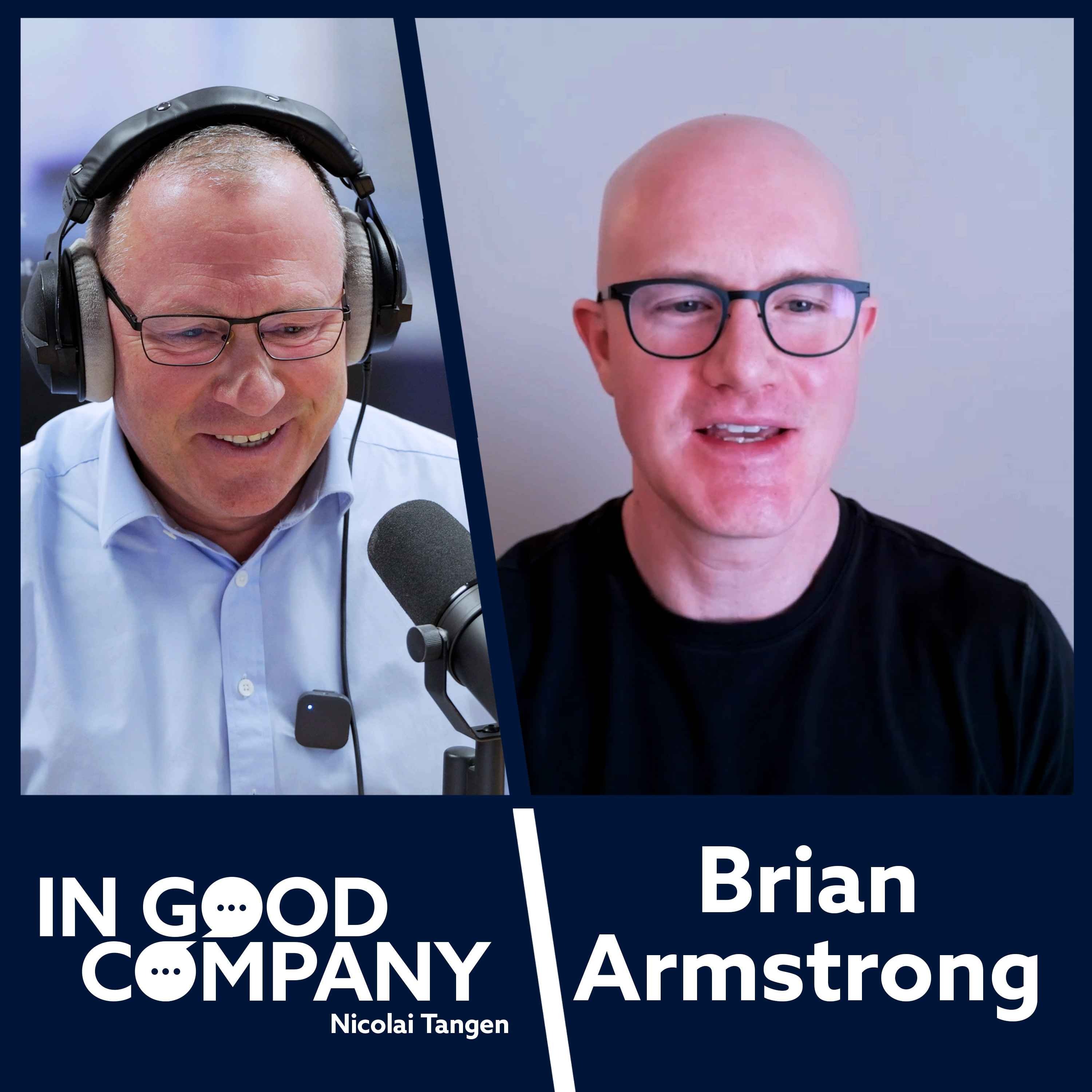
Brian Armstrong suggests his success is linked to a trait associated with the autism spectrum: a reduced concern for social cohesion. This allows him to ask seemingly "dumb" questions and pursue non-consensus ideas without fear of looking foolish, which is crucial for finding unique insights and driving innovation.
When evaluating founders with abrasive personalities, some VCs apply a specific mental model. As advised by Jason Green of Emergence Capital, if a founder's brilliance is perceived to be 50 times greater than their difficult nature, the investment is still worth making. This provides a framework for backing exceptional but challenging individuals.

A partner at a top investment fund revealed they specifically invest in three founder archetypes: those with megalomania, autism, or a desire for revenge. This suggests that pathological drives, rather than rational ambition, are seen as necessary ingredients for outlier success.

Beyond table stakes like hunger and vision, the most successful founders exhibit deep empathy ("people gene"), curiosity, and high emotional intelligence. They are secure, know their weaknesses, and often have a background in team sports, understanding that company building is a team effort.

Legendary investors often succeed by making contrarian bets on ideas considered fringe. Peter Thiel became the first backer of DeepMind when AI was dismissed as 'sci-fi' by both the scientific and entrepreneurial communities, demonstrating a pattern of betting on unpopular but transformative technologies.

Peter Thiel's observation that nearly all PayPal founders built bombs in high school illustrates a key founder trait. It highlights the kind of disruptive, system-testing personality that is encouraged in America and can lead to either world-changing innovation or destructive behavior.
Intelligence is just table stakes. True greatness comes from combining a high IQ with what Ben Horowitz calls "courage"—the determination to overcome any obstacle—and a deep-seated, ambitious drive to create something new, often demonstrated by a history of building things from a young age.

Yang posits his 'gift' is not socializing well within elite circles. This detachment prevents him from internalizing their worldview, allowing him to instead rely on objective data and numbers to see future trends that others miss.

Peter Thiel invested in DeepMind despite a weak business model because he saw founder Demis Hassabis as a "missionary" obsessed with a problem. Thiel believes these founders, unlike mercenaries chasing money, never quit, giving them a higher chance of success with moonshot ideas.

Neurodiverse individuals in the investment industry are often just called idiosyncratic or brilliant. Research frames neurodiversity as a superpower, enabling teams to analyze the same data from different perspectives. This cognitive friction is a pathway to generating alpha by seeing what homogenous teams miss.
