Get your free personalized podcast brief
We scan new podcasts and send you the top 5 insights daily.
In settings like startups with many autistic engineers, neurotypical people often begin mimicking autistic communication norms (e.g., abruptness). This happens because autistic individuals tend not to assimilate to social norms, while others naturally mimic those around them, creating a distinct subculture.

Related Insights
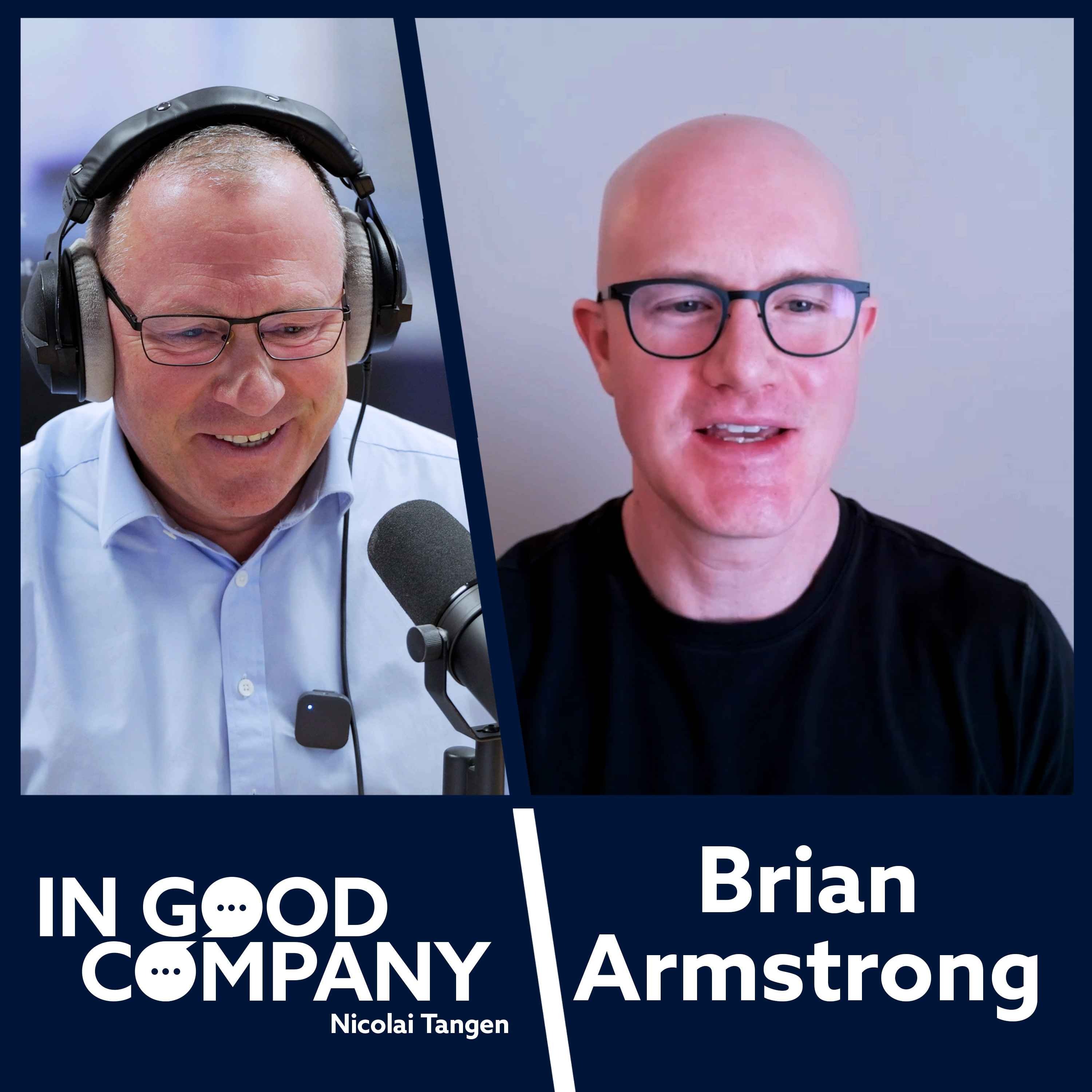
Brian Armstrong suggests his success is linked to a trait associated with the autism spectrum: a reduced concern for social cohesion. This allows him to ask seemingly "dumb" questions and pursue non-consensus ideas without fear of looking foolish, which is crucial for finding unique insights and driving innovation.
The Broader Autism Phenotype (BAP) refers to people with subclinical autistic traits who don't qualify for a diagnosis. These individuals often share traits that lead them to gravitate towards the same fields (e.g., engineering) and social circles as autistic people.
Standard advice to "be authentic" is often unhelpful for neurodivergent leaders. Their unprocessed authenticity can be misinterpreted, leading to a feeling they must be "authentic at pretending to be neurotypical." The real skill is translating their authentic thoughts for a neurotypical audience.

"Masking," often associated with neurodivergence, is also a common survival tactic for childhood trauma survivors. They pretend to assimilate into a "normal" world to feel safe and accepted, which is an inherently traumatic act in itself.
While everyone's message can get lost, the key difference for neurodivergent individuals is the immense cognitive effort required to even recognize their communication is off-track ('signal drift') and the even higher cost to correct it, which can lead to faster burnout.
VC Peter Thiel argues that founders with mild Asperger's have an advantage because they lack the 'imitation socialization gene.' This makes them immune to social pressure that often dilutes weird, creative, and world-changing ideas before they can mature.

Societies that rely on unspoken social cues inherently disadvantage autistic people. By contrast, communities with explicit, written-down rules eliminate ambiguity and create a more accessible environment where neurodivergent individuals can participate on equal footing without fear of misinterpreting subtle norms.
Smartphones serve as a social crutch in awkward situations, allowing an instant retreat. This prevents the development of social 'muscles' needed for real-world interaction, like breaking the ice with strangers. This creates a form of 'learned autism' where the ability to engage with the unfamiliar atrophies.
The coveted "10x engineer"—known for hyper-focus and immense productivity—often maps directly onto autistic traits. This association has made certain autistic characteristics, like abruptness and non-conformity, high-status signals, which others then mimic for perceived professional advantage.
Vittorio Angelone explains his adult autism diagnosis, highlighting that his ability to "mask" (hide his autism) is a skill honed by his profession. Stand-up requires delivering scripted lines as if spontaneous, mirroring how he navigates social life with pre-planned responses.
