Get your free personalized podcast brief
We scan new podcasts and send you the top 5 insights daily.
Despite his large audience, Tucker Carlson is viewed as politically unviable for a presidential run. He's described as a "dodgeball bully" who attacks from a distance but lacks the relentless work ethic of a true political "grinder" like Donald Trump, who would politically destroy him.

Related Insights
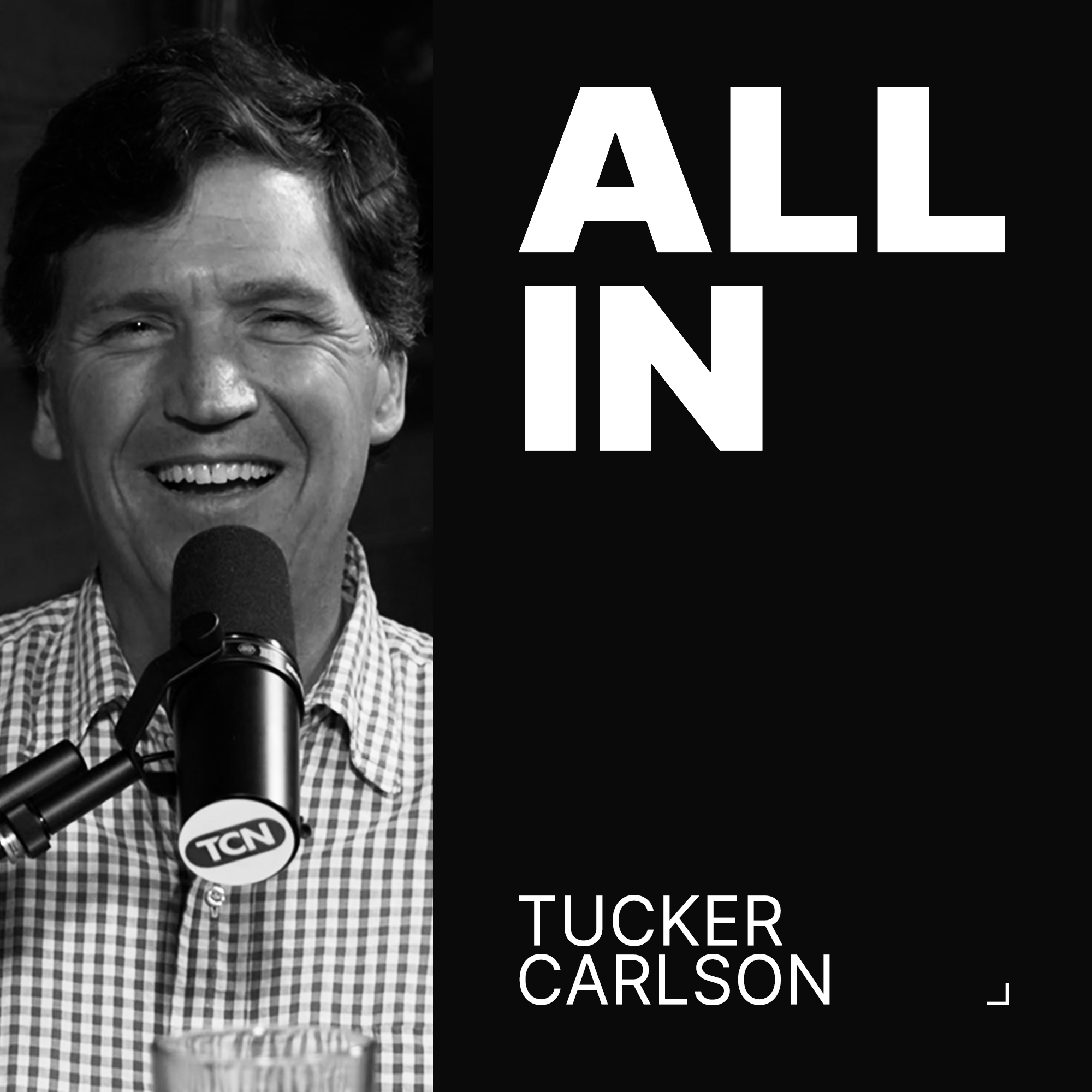
Tucker Carlson argues that legacy media brands have lost their power to shape public opinion. Their value is now primarily brand recognition, not their content's impact. True cultural influence has shifted to decentralized, creator-driven platforms like YouTube and X.
A leader trying to be all things to all people will have a diluted, unactivating message. Building a powerful movement requires a strong narrative with heroes and villains, which inevitably polarizes audiences. Eliciting disdain from outsiders is a necessary byproduct of energizing a core base.

Donald Trump's public denouncement of former allies like Tucker Carlson and Alex Jones is not random anger. It's a calculated political tactic to signal to his most loyal followers who is "in" and who is "out," effectively excommunicating dissenters and consolidating his control over the narrative.

Some leaders are powerful in a small room but appear wooden on camera. The ability to project charisma through a lens is a separate skill from in-person magnetism. This "television charisma" is becoming increasingly crucial for political viability, and the two are not interchangeable.

Political commentators like Tucker Carlson may publicly regret past endorsements not out of conscience, but to strategically create a new political lane for themselves, such as an anti-Trump conservative platform for a future presidential run.

Influential figures like JD Vance and Elon Musk believe they can use Donald Trump as a vehicle for their own agendas, viewing him as a "dolt." They fail to recognize Trump's unique, once-in-a-generation political talent for working a crowd and understanding populist sentiment, which he uses to maintain control.
Tucker Carlson actively promoted JD Vance for VP by telling Donald Trump that the 'deep state' might assassinate him if he chose a 'neocon' like Marco Rubio. This demonstrates a strategic use of conspiracy theories at the highest levels of power to influence key political appointments and secure influence.
A key part of Trump's strategy was ignoring traditional media outlets and instead appearing on podcasts and platforms popular with young men (Joe Rogan, World Wrestling Federation). This allowed him to directly tap into their grievances and build a loyal base that felt seen.

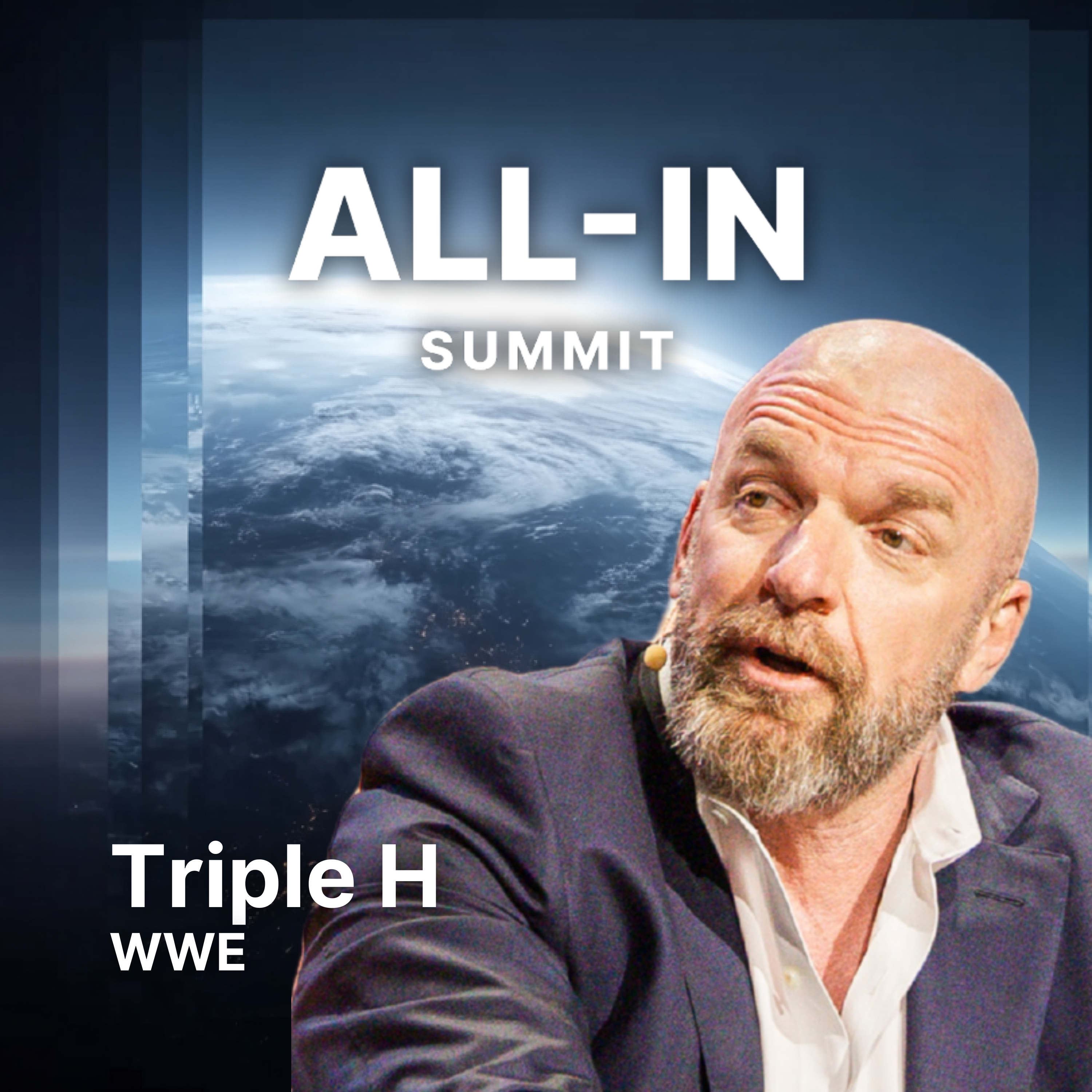
Drawing parallels between wrestling and politics, Paul Levesque asserts that voters ultimately choose presidential candidates based on charisma and personal connection, not policy details. He cites figures like Donald Trump as examples of personalities whose ability to command an audience is their primary asset.
The success of figures like Trump and Mamdani shows a political shift where personality trumps policy. Voters are drawn to authentic, entertainer-like candidates who connect on a human level, making traditional, unrelatable politicians obsolete.
