Get your free personalized podcast brief
We scan new podcasts and send you the top 5 insights daily.
The fantasy of replacing a major SaaS platform like Salesforce with a custom-built tool ignores the total cost of ownership. Beyond initial development, the internal team becomes responsible for documentation, feature upgrades, security, support tickets, and user enablement—functions that are bundled with a commercial product.

Related Insights
While SaaS tools like Intercom offer immediate convenience, building a custom AI chatbot provides complete control over the workflow, data, and user experience. For companies with some technical capability, this initial investment leads to significant long-term cost savings and a deeply integrated, proprietary solution.

Klarna's CEO publicly boasted about replacing SaaS vendors like Salesforce with a custom AI stack, only to suffer from poor customer service and "tremendous embarrassment." The costly and distracting experiment highlights the hidden complexities and risks of trying to recreate enterprise-grade software internally.

A CRM's stickiness isn't just its UI; it's the complex, pre-engineered data architecture (table relationships, integrations, change tracking). Replicating this in a simple database is a massive, costly undertaking, providing a strong defense against commoditization.
The biggest drawback of building a custom CRM or similar internal tool is the opportunity cost. It pulls top engineering talent away from improving the core, revenue-generating product and tasks them with rebuilding infrastructure that already exists as a commercial off-the-shelf solution.
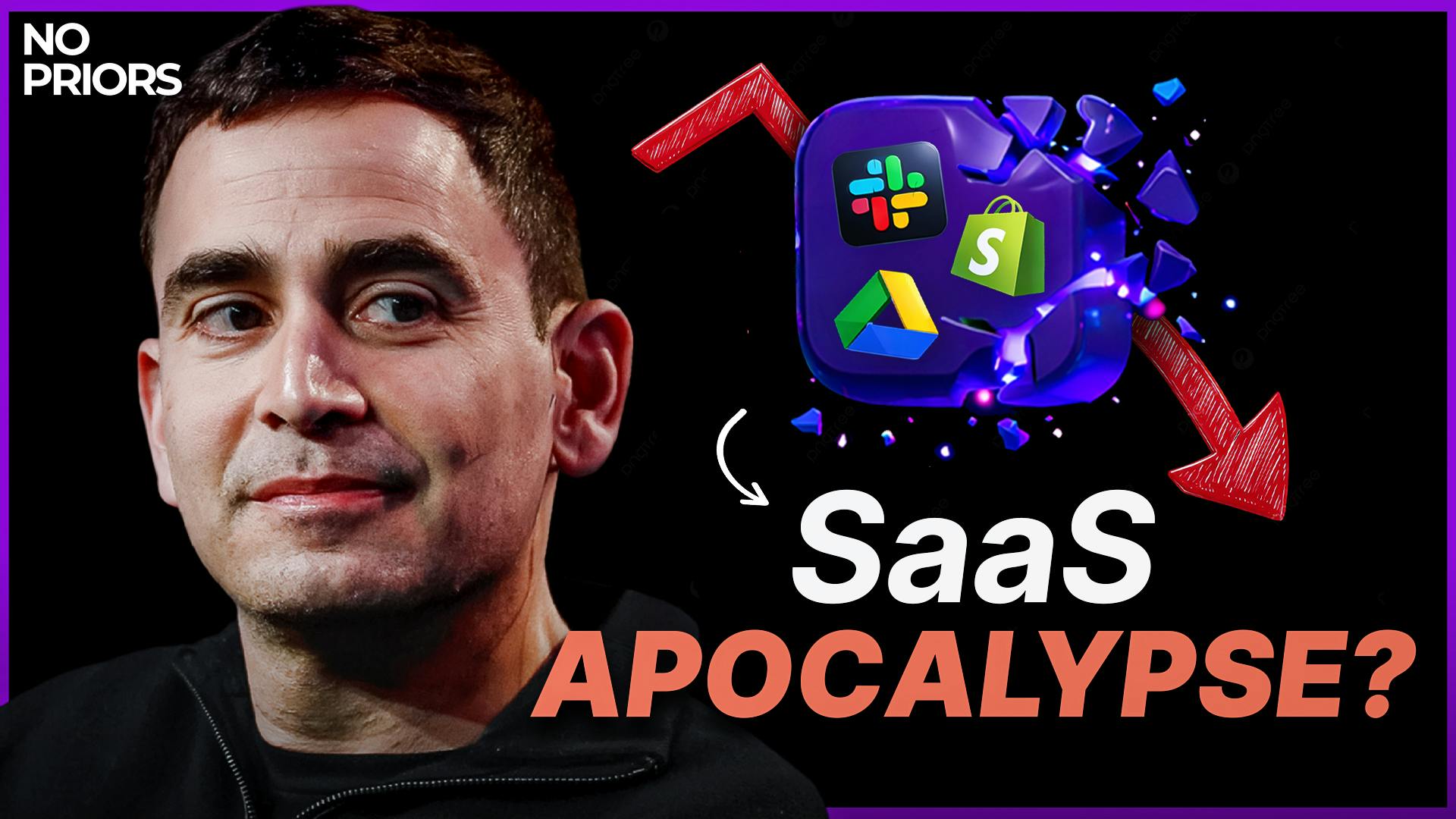
Building an in-house version of a tool like Slack is nearly always a mistake, argues Redpoint's Logan Bartlett. Even if the direct engineering cost seems lower than a subscription, the true price is the immense opportunity cost of diverting top talent from the core, revenue-generating product.

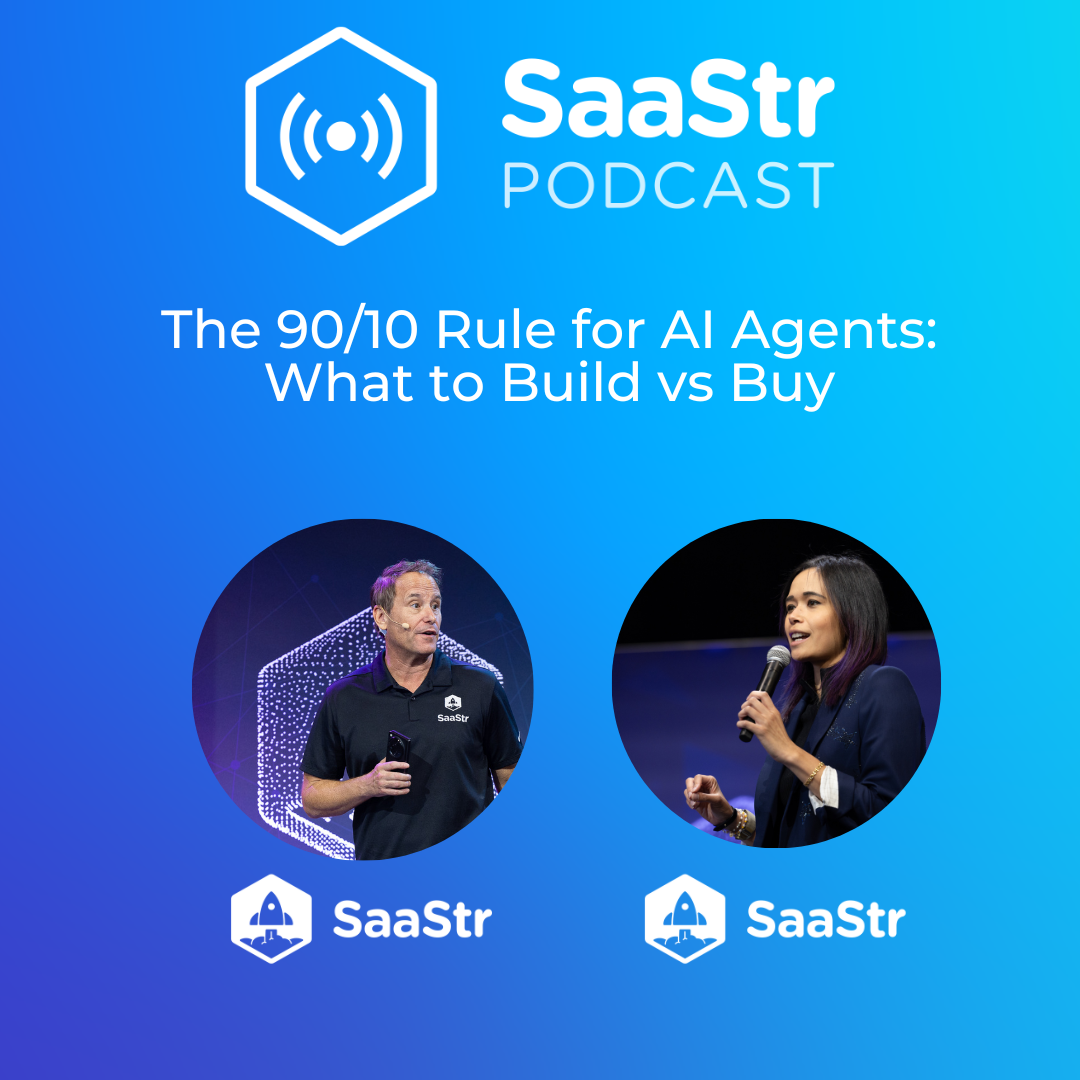
Building a custom tool with AI to replace a SaaS subscription seems cost-effective, but building is only 10% of the work. The other 90% is the often-forgotten overhead of maintenance, on-call support, security, and bug fixes that SaaS vendors typically handle.
Large companies stick with incumbents like SAP because the subscription fee buys more than software; it buys an SLA, liability management, and guaranteed support. The risk of downtime from a cheaper, self-built solution is too high. The premium price is effectively an insurance policy against mission-critical failure.

Many B2B companies begin by customizing software for one client, then stacking new custom projects for subsequent clients. They believe they are building a product, but are actually creating a complex, unscalable monolith that is difficult to maintain and evolve.

With executive time valued at $1,000-$2,000 per hour, building a custom app that could be bought for $10,000 makes no financial sense. The justification to build must be a critical, strategic need for something unavailable on the market, not a desire to save on subscription fees.
The idea that AI will eliminate SaaS is overblown because it incorrectly projects small startup behavior onto large enterprises. Fortune 100s face immense change management, security, and maintenance challenges, making replacing established vendors with internal AI-coded tools impractical.