Get your free personalized podcast brief
We scan new podcasts and send you the top 5 insights daily.
Many B2B companies begin by customizing software for one client, then stacking new custom projects for subsequent clients. They believe they are building a product, but are actually creating a complex, unscalable monolith that is difficult to maintain and evolve.

Related Insights
To shift a services-oriented company to a product mindset, frame productization as a competitive advantage. Repeatable, productized solutions offer greater market differentiation than purely custom builds, leading to more effective competition and new deal wins. This tangible benefit helps secure buy-in from sales and leadership.

During a transformation from services to product, identify and commercialize the reusable tools that services teams have already built to support clients. Instead of starting from scratch, productizing these existing "mini-products" aligns them with the broader product strategy, saves development time, and leverages proven solutions.
Project-based companies operate on a cash flow mindset, accepting any custom work that brings in immediate revenue. A true product company uses an investment mindset, strategically saying 'no' to short-term revenue to invest in building a scalable asset that can win a market long-term.
In a project-based company, salespeople are heroes for closing large, complex, custom projects. This incentive structure is directly opposed to a product model that requires standardization. The transition to product will fail unless sales compensation and culture are realigned to favor standard product sales.
As a company grows, its old operational systems and processes ('plumbing') become obsolete. True scaling is not about addition; it's about reinvention. This involves systematically removing outdated processes designed for a smaller scale and replacing them entirely.
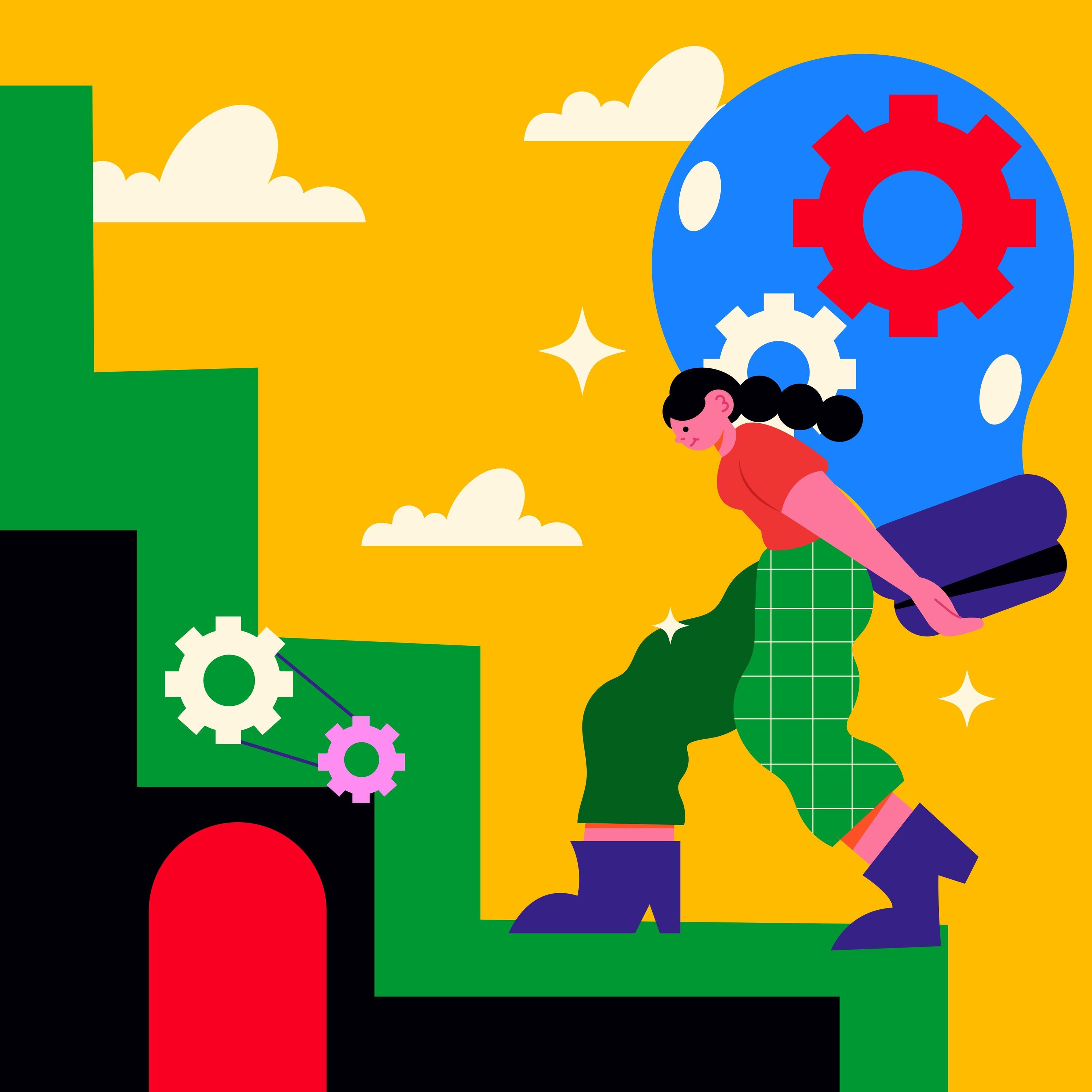
Products are no longer 'done' upon shipping. They are dynamic systems that continuously evolve based on data inputs and feedback loops. This requires a shift in mindset from building a finished object to nurturing a living, breathing system with its own 'metabolism of data'.

Avoid the trap of building features for a single customer, which grinds products to a halt. When a high-stakes customer makes a specific request, the goal is to reframe and build it in a way that benefits the entire customer base, turning a one-off demand into a strategic win-win.
Instead of large, multi-year software rollouts, organizations should break down business objectives (e.g., shifting revenue to digital) into functional needs. This enables a modular, agile approach where technology solves specific problems for individual teams, delivering benefits in weeks, not years.

Saying yes to numerous individual client features creates a 'complexity tax'. This hidden cost manifests as a bloated codebase, increased bugs, and high maintenance overhead, consuming engineering capacity and crippling the ability to innovate on the core product.
To avoid the customization vs. scalability trap, SaaS companies should build a flexible, standard product that users never outgrow, like Lego or Notion. The only areas for customization should be at the edges: building any data source connector (ingestion) or data destination (egress) a client needs.
