Get your free personalized podcast brief
We scan new podcasts and send you the top 5 insights daily.
Klarna's CEO publicly boasted about replacing SaaS vendors like Salesforce with a custom AI stack, only to suffer from poor customer service and "tremendous embarrassment." The costly and distracting experiment highlights the hidden complexities and risks of trying to recreate enterprise-grade software internally.

Related Insights
The notion of plug-and-play enterprise software is a fallacy. For decades, large software implementations have secretly relied on extensive services from firms like Accenture for configuration. GenAI simply makes this reality transparent, requiring customization upfront rather than dressing it up as a simple software sale.

While AI can easily replicate simple SaaS features (e.g., a server alert), it poses little threat to deeply embedded enterprise systems. The complexity, integrations, and "dark matter" of these platforms create a "hostage" dynamic where ripping them out is impractical, regardless of cloning capabilities.
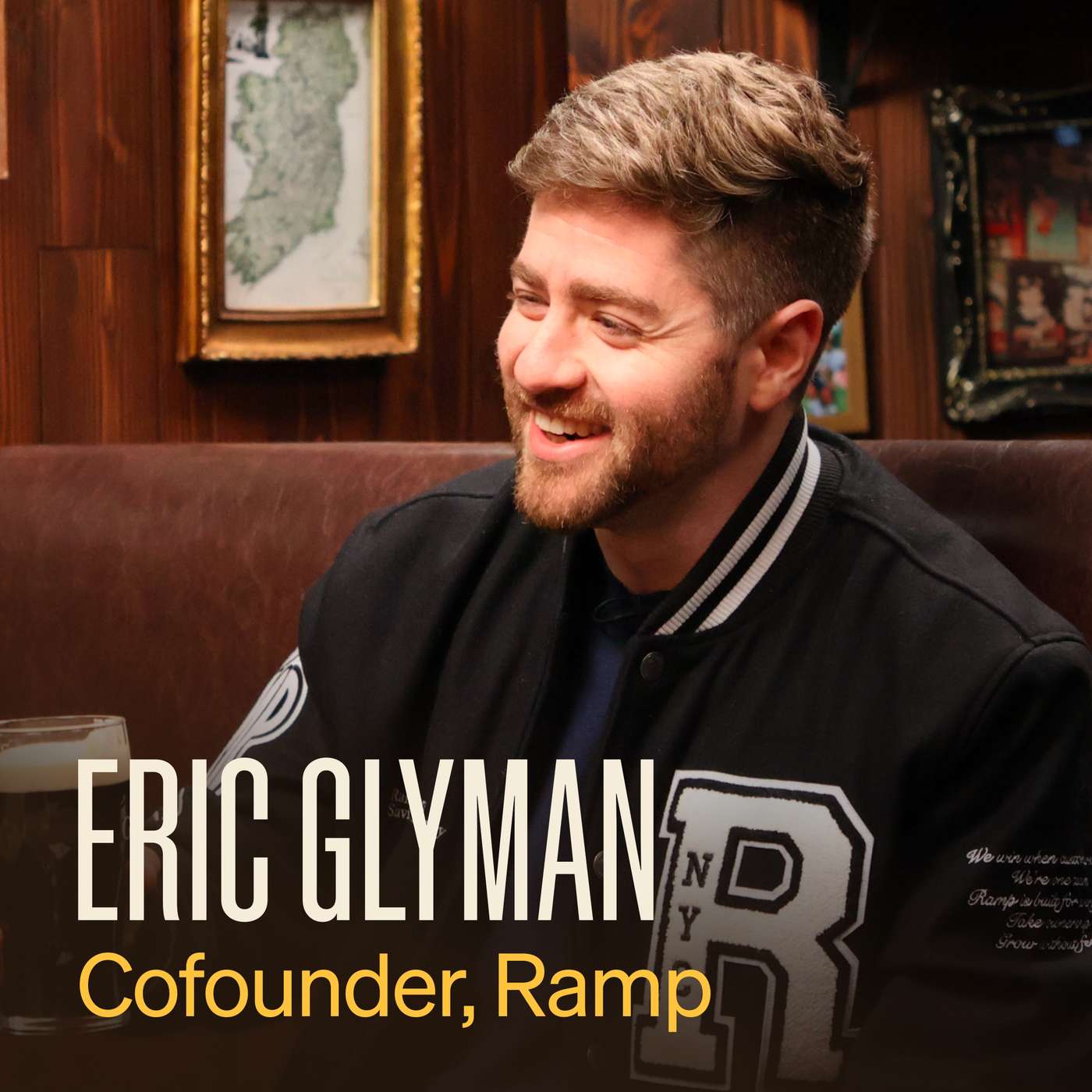
Frustration with a mediocre, AI-lacking vendor drove the decision to build a custom replacement, even when a commercial option existed. This signals a major vulnerability for incumbent SaaS players who fail to innovate with AI, as customers may choose to build rather than renew.
Off-the-shelf AI support tools lack the deepest context for accurate answers, which is often found only in a company's proprietary source code (e.g., how interest is calculated). Klarna built its own system so its AI could directly access this 'source of truth,' making support a core part of its tech stack.

Companies are now rejecting expensive SaaS contracts because their internal teams can build equivalent custom solutions in days using AI coding tools. This trend signals a fundamental threat to the traditional SaaS business model, as the 'build vs. buy' calculation has dramatically shifted.

Dylan Field is skeptical that disposable, AI-generated apps will replace complex SaaS products. Real business software must handle countless edge cases, scale with teams, and support shared workflows—a level of complexity and institutional knowledge that today's agents are far from mastering.

Enterprises often default to internal IT teams or large consulting firms for AI projects. These groups typically lack specialized skills and are mired in politics, resulting in failure. This contrasts with the much higher success rate observed when enterprises buy from focused AI startups.
AI may drastically lower the cost of software engineering, threatening the dominant SaaS model by enabling companies to affordably build bespoke in-house software, mirroring the current market dynamics in China.

The idea that AI will eliminate SaaS is overblown because it incorrectly projects small startup behavior onto large enterprises. Fortune 100s face immense change management, security, and maintenance challenges, making replacing established vendors with internal AI-coded tools impractical.
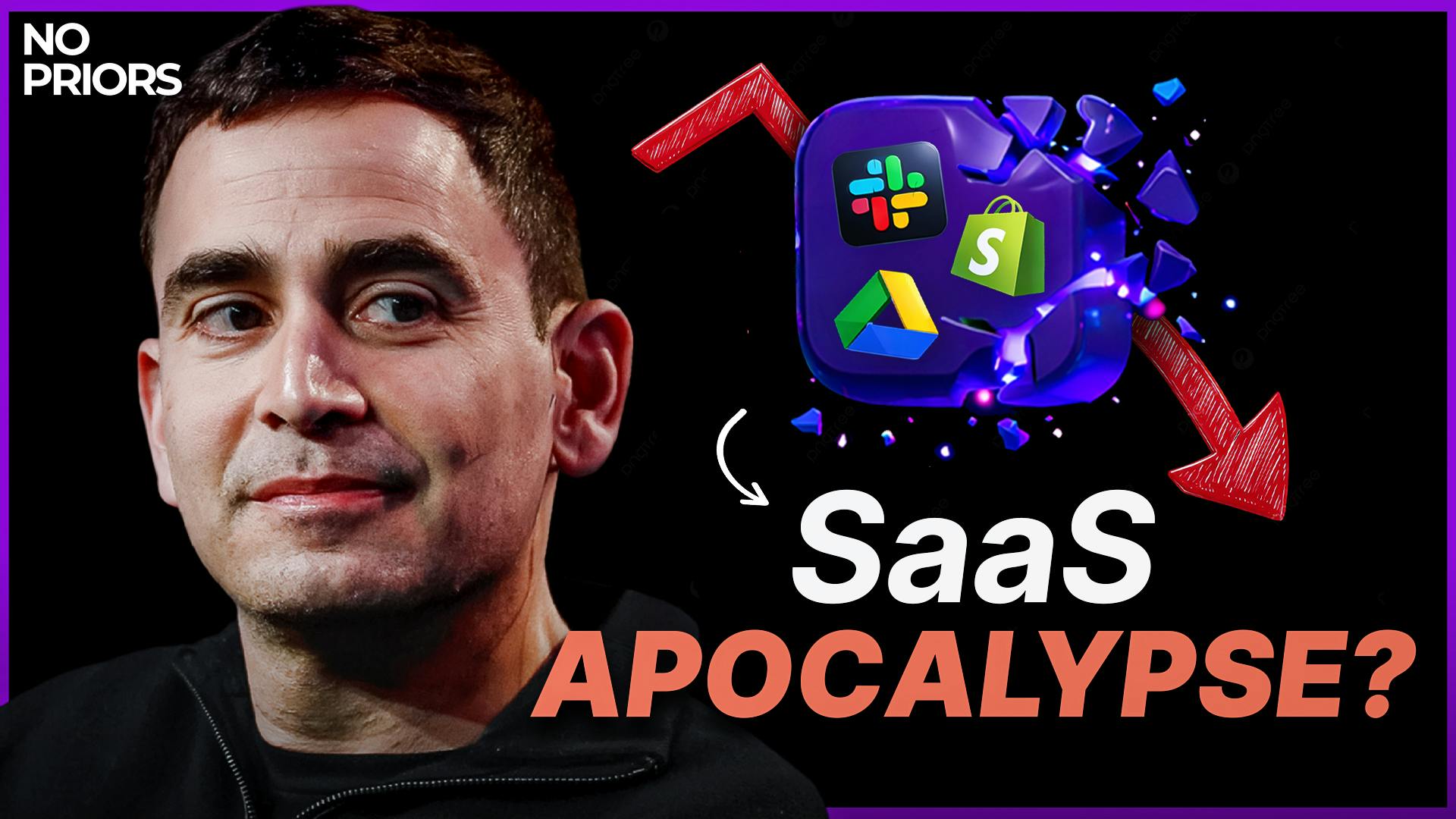
The disruption to software isn't just about professional developers. It's about non-technical employees, like sales executives, using AI tools like Claude to build functional internal applications that replace paid SaaS products. This trend democratizes software creation and directly undermines the traditional SaaS business model from within customer organizations.
