Get your free personalized podcast brief
We scan new podcasts and send you the top 5 insights daily.
While the U.S. is preoccupied with Iran and the Strait of Hormuz, China has significantly increased its military presence around Taiwan. This may not be just a show of force, but a strategic dress rehearsal for an invasion, testing capabilities while global attention is focused elsewhere.

Related Insights
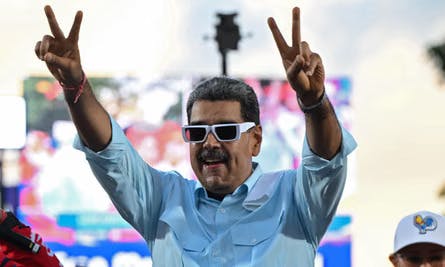
The U.S. operation to capture Maduro serves as a real-world case study for China's potential 'decapitation' strike against Taiwan. China has already rehearsed such scenarios in mock-ups of Taipei's presidential palace. This event demonstrates the feasibility of a quick, surgical strike, which is more aligned with the CCP's goals than a costly amphibious invasion.
Contrary to viewing the Iran conflict as a distraction for the US, Taiwanese observers are encouraged. They interpret US action as a defense of democracy against autocracy, drawing a parallel to their own situation with China. This bolsters their hope for American support in a potential conflict.

Chamath Palihapitiya argues that China's historically low GDP growth and high youth unemployment create domestic instability. Invading Taiwan could be seen by the CCP as a solution to rally the populace, stimulate the economy with a war machine, and distract from internal problems.

By forcing the U.S. to operate its air defense systems at scale, the conflict in Iran is inadvertently providing China with a treasure trove of intelligence. The Chinese can observe how these systems perform, identify weaknesses, and refine their own tactics for a potential future conflict.

The massive expenditure of U.S. missile defense interceptors in the Iran conflict is significantly cutting into the total inventory. This depletion, which cannot be quickly replaced, creates a window of vulnerability that could tempt China to act on its regional ambitions while the U.S. is distracted and under-supplied.

China's strategy for Taiwan likely mirrors its 2019 Hong Kong takeover. Instead of a direct military assault, Beijing will use political influence, espionage, and legislative changes to create administrative bridges, making any physical resistance illegal before troops ever move in.

Instead of a full-scale invasion, China is employing an "anaconda strategy" of constant, low-level pressure. Tactics like cutting undersea cables and sending drones are designed to exhaust and demoralize Taiwan, making a military response from the US difficult to justify.
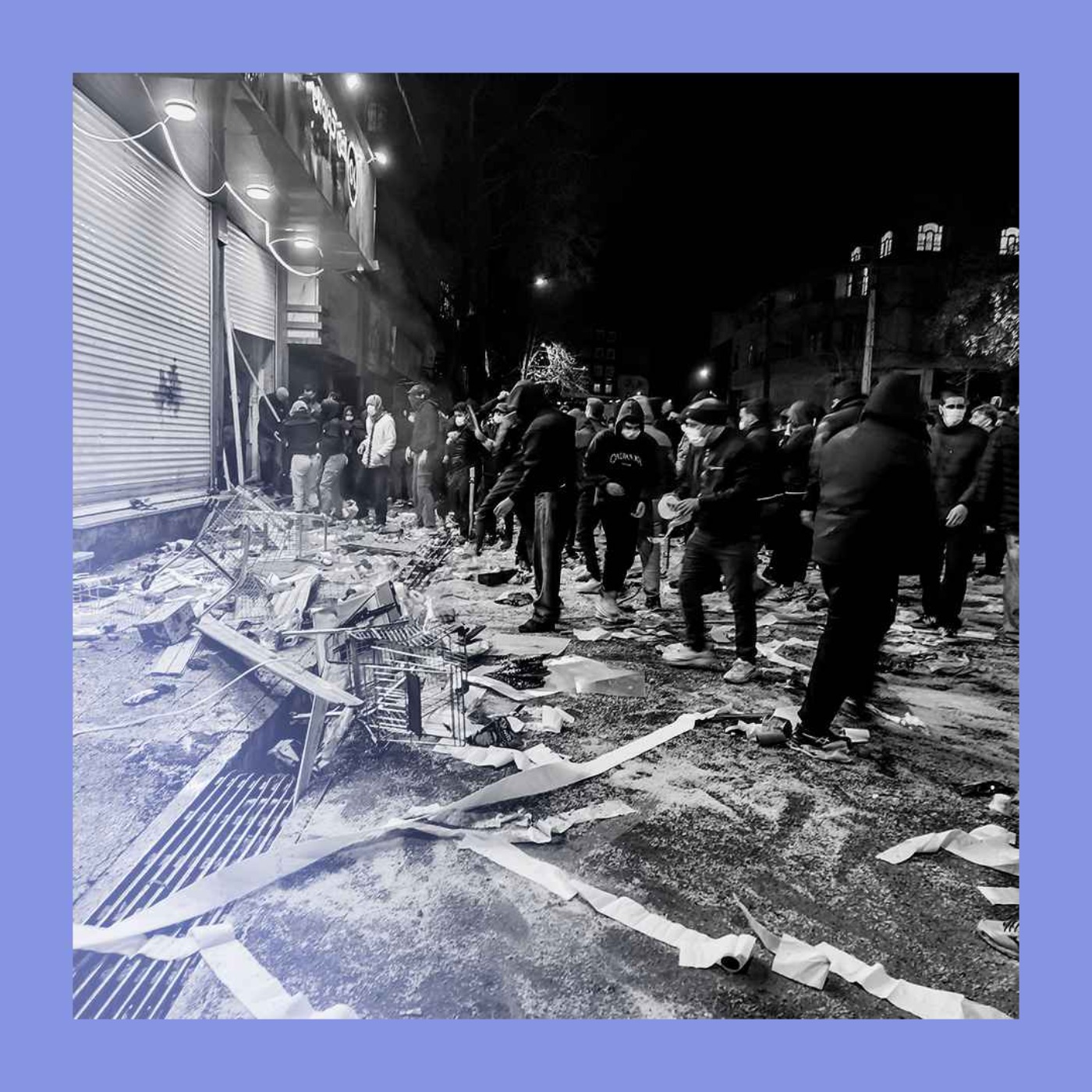
A protracted U.S. conflict in the Middle East is a strategic gift to China. It diverts American military resources, political attention, and economic strength, allowing China to expand its influence, particularly in Asia, without direct confrontation.

While facing economic headwinds from the oil crisis, China is positioning the US-Iran conflict as a geopolitical victory. It portrays the US as a chaotic, destabilizing force, contrasting itself as a stable superpower and capitalizing on the global fallout from what it terms 'poor strategic coordination' by Washington.
The Iran conflict serves the strategic interests of China and Russia by distracting US attention and draining its military resources. It consumes critical assets (like Patriot missiles needed for Ukraine) and diverts political focus from containing America's primary geopolitical rivals in Europe and Asia.
