Get your free personalized podcast brief
We scan new podcasts and send you the top 5 insights daily.
Chamath Palihapitiya argues that China's historically low GDP growth and high youth unemployment create domestic instability. Invading Taiwan could be seen by the CCP as a solution to rally the populace, stimulate the economy with a war machine, and distract from internal problems.

Related Insights
Beijing's political commitment to annual growth targets prevents it from allowing the economy to slow down and rebalance. Instead of fostering sustainable consumption, it must constantly stimulate investment and exports, perpetuating the very imbalances that threaten long-term stability.

Beijing’s core strategy for Taiwan is to convince its populace that "resistance is futile" and no outside help is coming. U.S. arms sales and rhetorical support from allies are particularly disruptive because they directly counter this psychological narrative of isolation, undermining China's goal of a coerced unification.

A potential invasion of Taiwan by China is less likely due to internal military purges and dissent than to US military posturing. An authoritarian leader like Xi Jinping cannot launch a complex invasion if he doesn't trust his own generals, making domestic instability a powerful, albeit unintentional, deterrent.

Chinese leadership believes time is not on its side regarding Taiwan. The growing sense of a distinct Taiwanese identity, especially among younger generations, creates pressure to act before a political 'reunification' becomes impossible, thus increasing the risk of military action.

China operates as a two-speed economy. While the consumer side is slowing, Xi Jinping is pouring resources into a state-directed 'national security economy' focused on advanced tech and military modernization. U.S. policy should be narrowly tailored to disrupt this specific sector, not the broader economy.
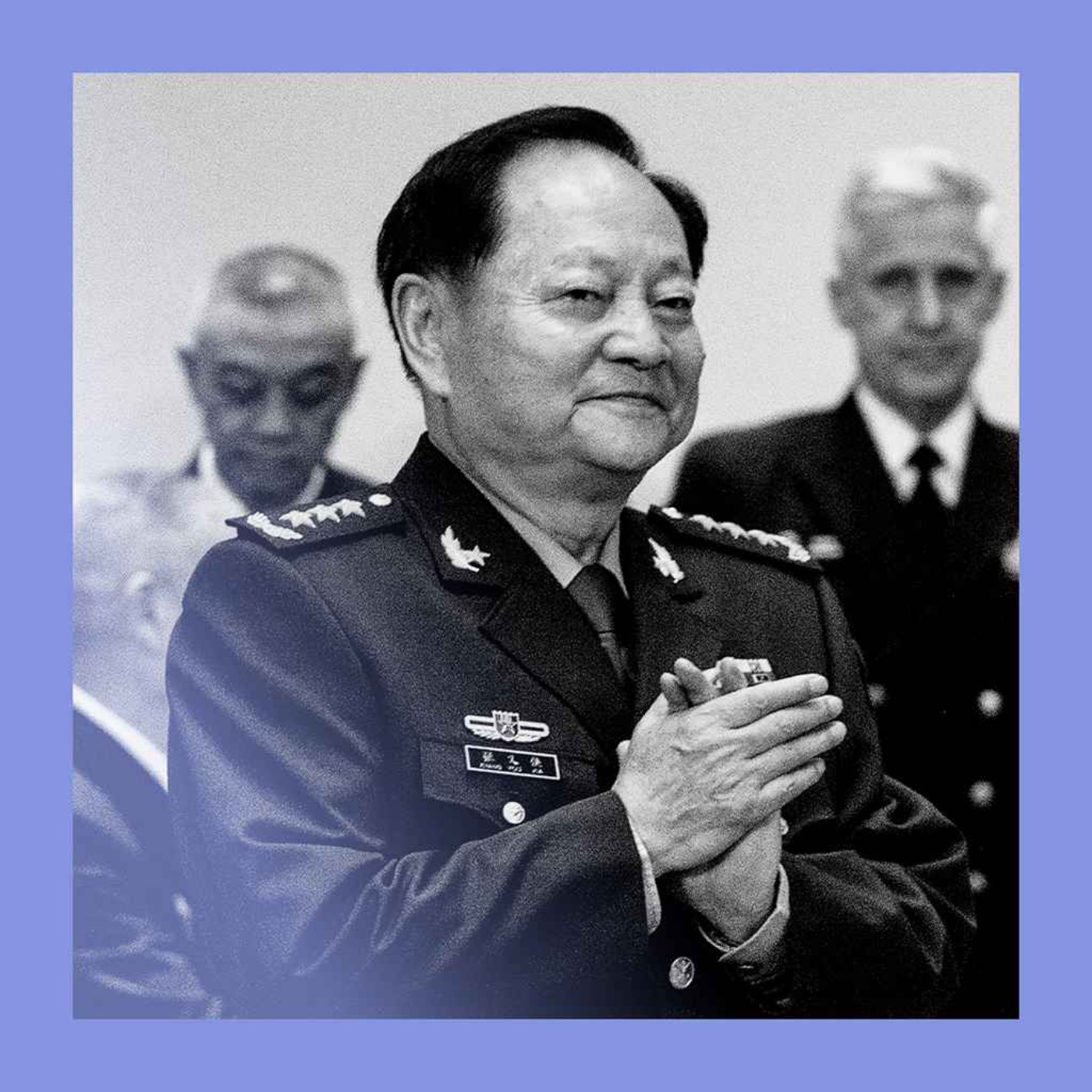
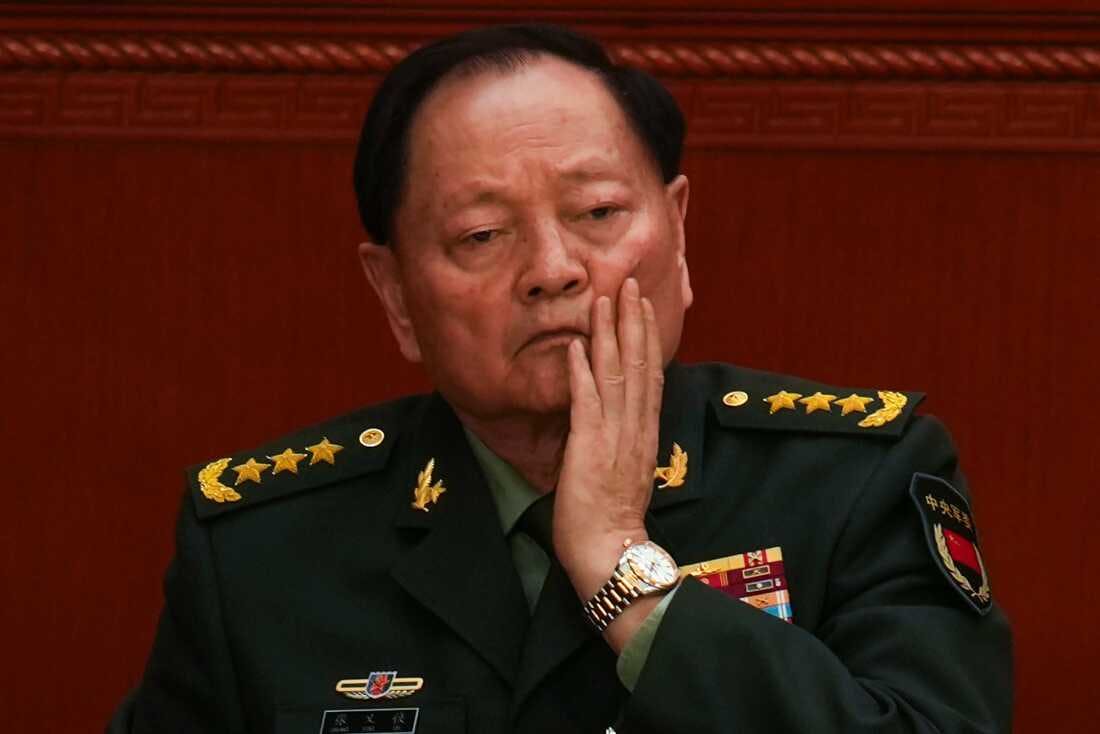
Xi Jinping's widespread purges, aimed at consolidating power and rooting out corruption, have hollowed out the People's Liberation Army's experienced leadership. This creates a significant capabilities gap and operational readiness problem, potentially jeopardizing the military's ability to meet Xi's own 2027 deadline for being capable of invading Taiwan.
Ben Thompson presents a counterintuitive geopolitical argument: allowing China dependency on Taiwan for semiconductors creates a safer equilibrium. Cutting China off removes this critical dependency, potentially making a military strike on TSMC an optimal, if devastating, strategic move for Beijing.

China's strategy for Taiwan likely mirrors its 2019 Hong Kong takeover. Instead of a direct military assault, Beijing will use political influence, espionage, and legislative changes to create administrative bridges, making any physical resistance illegal before troops ever move in.

Xi Jinping's willingness to decapitate his military leadership suggests he feels secure about the external environment. He perceives no immediate crisis over Taiwan, giving him the political space to conduct a thorough and disruptive internal consolidation.
A historian analogizes Taiwan's precarious situation to three pre-WWI flashpoints. It's a territorial claim (Alsace), a likely source of a great power crisis (Bosnia), and a strategic calculation for intervention by a global power (Belgium), making it exceptionally volatile.