Get your free personalized podcast brief
We scan new podcasts and send you the top 5 insights daily.
The explosive growth of electric vehicles in China has fundamentally altered its energy landscape. Demand for transportation fuels like gasoline and diesel has already peaked, years ahead of previous forecasts. This rapid shift forces global energy markets and China's national oil companies to recalculate the timeline for peak global oil demand.

Related Insights
China's investment in green technology is driven less by environmentalism and more by strategic goals. By dominating renewables and EVs, China reduces its dependence on foreign oil—a key vulnerability in a potential conflict with the US—while building global soft power and boosting its GDP through green tech exports.
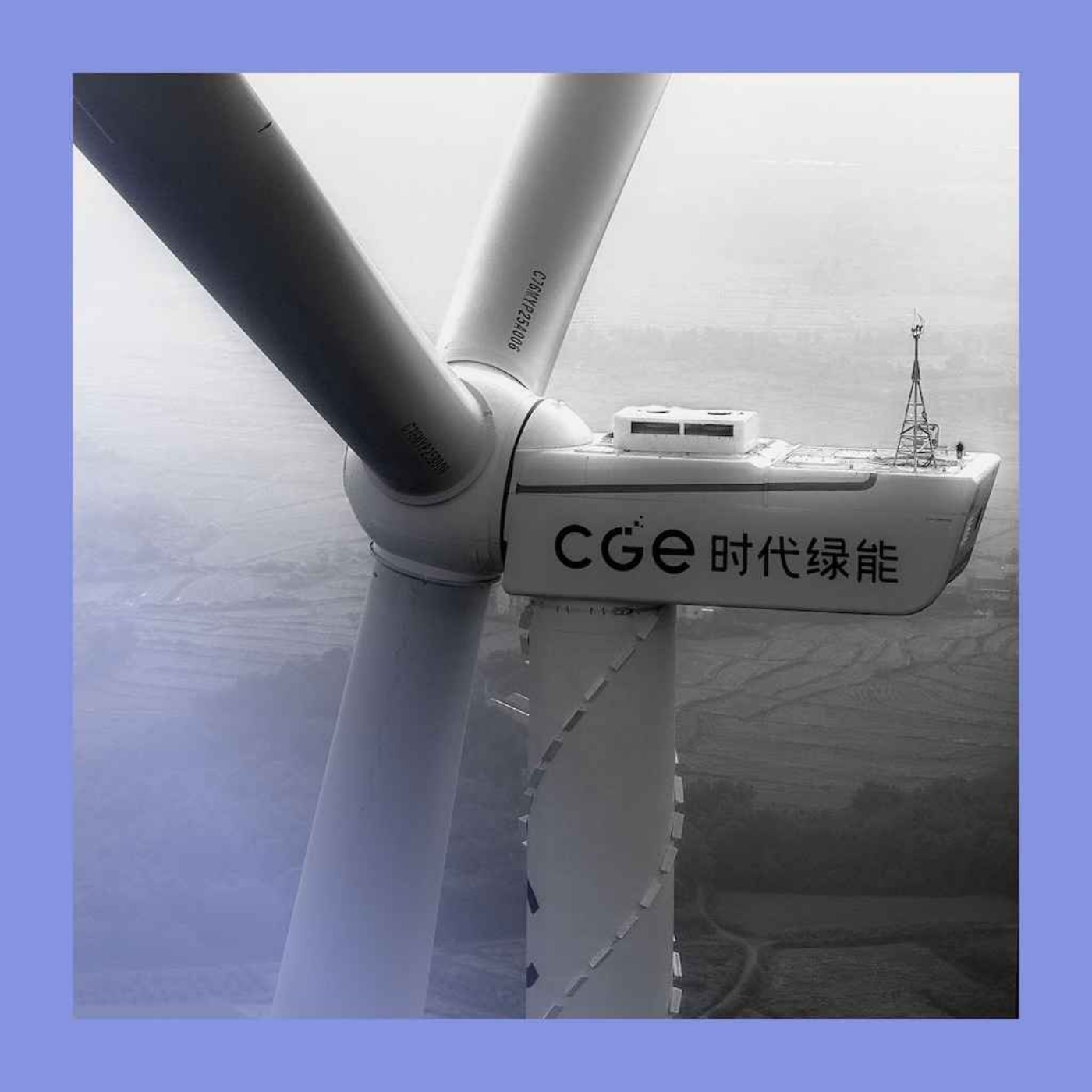
Contrary to common assumptions, China's future natural gas demand growth will be led by the industrial sector, not power generation. Policy support for manufacturing and lower global LNG prices are expected to drive significant coal-to-gas switching in industrial processes, while gas in the power sector remains a secondary source to balance renewables.

While government support helps, China's rapid adoption of Level 2+ smart driving is primarily driven by fierce domestic EV competition. In a crowded market where over half of new car sales are electric, automakers use advanced autonomous features as the most effective means to differentiate and attract consumers.

Traditional energy models incorrectly started with climate supply targets. A more accurate approach models fundamental demand drivers first (population, GDP), revealing a massive, underestimated need for all energy types to meet future growth, challenging supply-centric narratives.
Despite overtaking Tesla, BYD's growth faces significant threats. Domestically, China is reducing EV purchase tax exemptions, potentially dampening demand. Globally, the influx of cheap Chinese EVs is likely to trigger protectionist trade barriers in key markets like the EU, limiting export growth.

European automakers, heavily invested in combustion engines and hampered by regulations that stifle new entrants, are ill-equipped to compete with China's cheaper, superior electric vehicles. This creates an existential threat to a cornerstone of Europe's industrial economy.
Despite his background running a successful energy fund, Tim Guinness believes global oil demand will peak in the next five to seven years, followed by a steady 1-2% annual decline. He notes that a strong oil price can paradoxically accelerate the transition to renewables by making them more competitive.

Faced with geopolitical uncertainty in key supplier nations, China employs a dual strategy for energy security. It has built a massive oil stockpile providing 120 days of cover for supply disruptions. Concurrently, it's rapidly electrifying its transport sector to reduce its long-term dependence on imported oil.

China has undergone a radical transformation, from being opened by British coal-fired warships in the 19th century to now being a nation whose immense fossil fuel demand and green energy manufacturing dominance fundamentally reshapes the entire global geopolitical landscape.

The global energy transition is also a geopolitical race. China is strategically positioning itself to dominate 21st-century technologies like solar and EVs. In contrast, the U.S. is hampered by a legacy mindset that equates economic growth with fossil fuels, risking its future competitiveness.
