Get your free personalized podcast brief
We scan new podcasts and send you the top 5 insights daily.
Great thinkers like Darwin (walking), Dickens (walking), and Einstein (talking) used physical acts to solve complex problems. This approach of 'thinking with your feet, hands, or mouth' externalizes the cognitive load from just the brain, providing a powerful antidote to overthinking and writer's block.

Related Insights
Getting stuck in mental loops is common. The physical act of translating thoughts into written or spoken words activates different neural pathways and accountability mechanisms. This externalization process inherently improves clarity and helps break unproductive thought patterns, even without feedback from others.

Creative breakthroughs rarely happen while staring at a screen. Disconnecting and engaging in physical activity like a run is a proven method for generating novel ideas, as the mental space it creates allows solutions and inspiration to surface.

When at a creative impasse, stepping away from a project (distraction) is a productive strategy that allows your subconscious to find a solution. This is fundamentally different from procrastination, which is the consistent avoidance of work and ultimately undermines your ability to create.

Breakthroughs often occur in routine environments like the shower or during a walk. These activities promote what psychologists call "divergent thinking," where the relaxed mind makes novel connections. This scientific process can be intentionally triggered to solve complex problems and foster creativity.
Treat strategic thinking as a formal, scheduled activity, not a passive one. By blocking time on your calendar for specific thinking formats—like a walking meeting with yourself or a dedicated commute session—you create the space for your subconscious to solve problems and generate novel insights.
Constant productivity keeps the brain in a high-frequency "beta" state, which stifles creativity. To solve complex problems, you must intentionally shift to a slower "alpha" state by disconnecting. This is achieved through simple, non-distracting activities like walking in nature without your phone.

When feeling creatively stuck, intentionally changing your physical posture, voice, or movements can be a powerful tool. By embodying a different character or simply moving in an unusual way, you disrupt your brain's default patterns and open up new avenues for thought and expression.

Minor physical disruptions to your routine environment, like turning your chair or walking a familiar path differently, can trick your brain out of autopilot. This creates a new perspective and stimulates curiosity with minimal effort, sparking new neural pathways for creativity.

Activities like train rides (J.K. Rowling) or walking are mildly stimulating without demanding full attention. This 'softly fascinating' state occupies the conscious mind just enough to allow the unconscious to wander, make connections, and deliver insights, unlike high-stimulation or deep-focus environments.
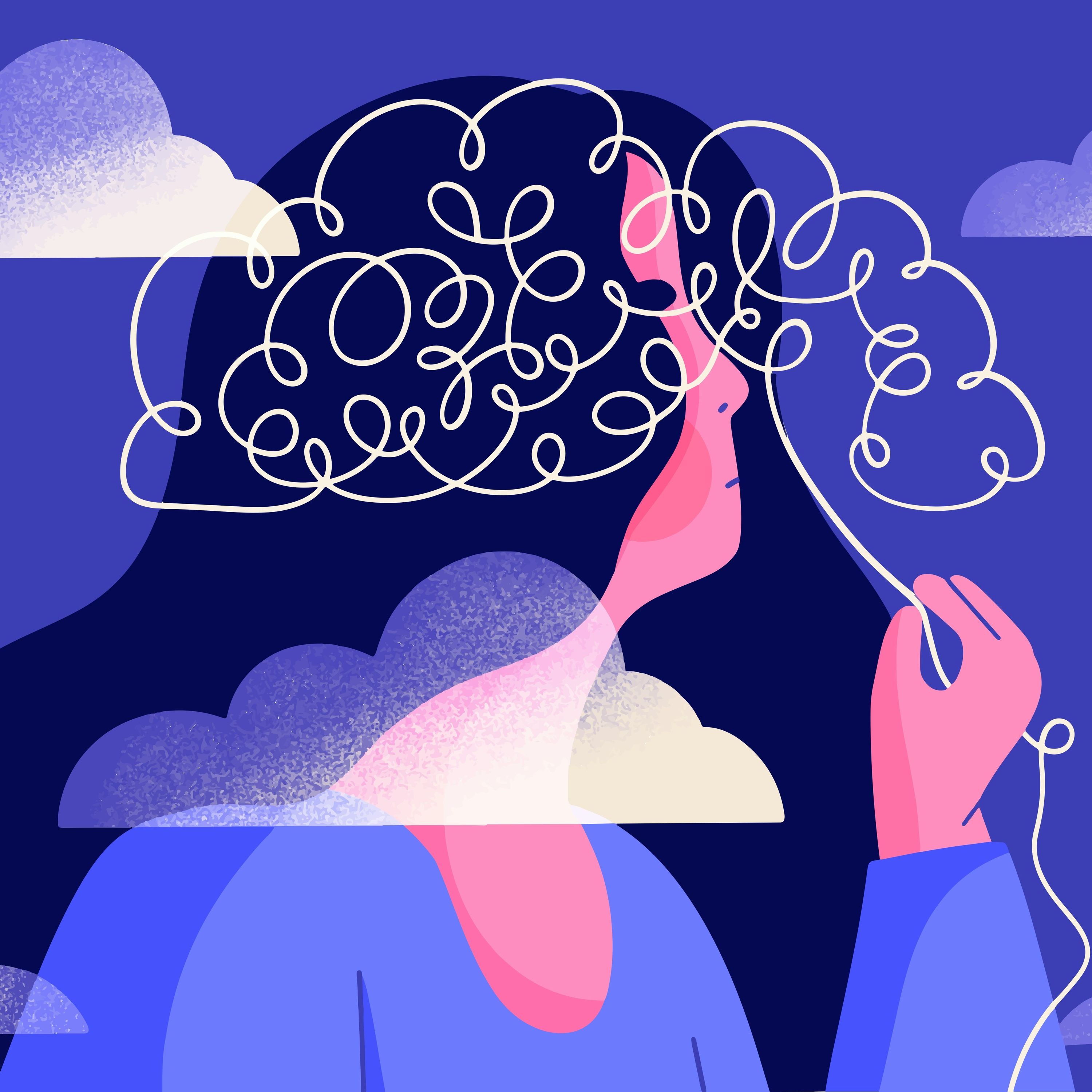
If you're stuck on a problem for over 10 minutes, change your physical state to change your mental state. Taking a walk creates an optimal condition for breakthroughs: it aligns brain and body, allows attention to wander productively without fixating, and prevents rumination.