Get your free personalized podcast brief
We scan new podcasts and send you the top 5 insights daily.
Turning down a $75,000 deal to avoid compromising creative principles isn't a financial loss; it's a strategic investment in your brand's integrity. Consistently prioritizing authenticity over short-term cash builds deep trust with your audience, which is a far more valuable long-term asset.

Related Insights
Resisting the urge for quick monetization builds immense audience trust. When you consistently provide overwhelming value without asking for anything in return, you build a loyal community that will eventually be eager to pay you. This long-term approach creates a more valuable and defensible brand.

Faced with a massive distribution opportunity, the founder declined because it required compromising on non-negotiable brand pillars like wax quality, signature molds, and US manufacturing. This demonstrates the discipline to prioritize long-term brand equity over short-term revenue and distribution gains.
Early on, Kit Chilvers consciously rejected lucrative but misaligned advertising offers to avoid "selling out." This disciplined approach, which prioritized the audience experience, built significant trust and ultimately led to a stronger community and more valuable partnerships with top-tier brands.

A top copywriter declined a major Harry Potter project because she had no personal connection to the universe. Protecting a brand's legacy and respecting its audience is paramount, even if it means sacrificing a high-profile job. This honesty builds long-term trust.

Gary Vaynerchuk's wine show gained traction when he gave honest reviews, even advising against buying a wine his store sold. This shows that building long-term trust requires consistently providing value to the audience, even at the cost of short-term commercial gain.

Coterie maintains its premium brand status by systematically rejecting initiatives that don't meet an extremely high bar. If a new product isn't 'demonstratively better' or in direct service to the customer, the company kills the project, protecting its brand and focus.
Tim Ferriss chose not to launch a supplement line with "The 4-Hour Body," a move that cost him millions short-term. This sacrifice preserved his credibility as an unbiased source, protecting his audience's trust, which he views as his most valuable long-term asset.

When Sephora first approached T3, their request was to create a Sephora-branded hair dryer. Despite being a young, bootstrapped company, T3 declined the white-label opportunity. They insisted on selling under their own brand name, a crucial decision that allowed them to build long-term brand equity instead of becoming a disposable supplier.
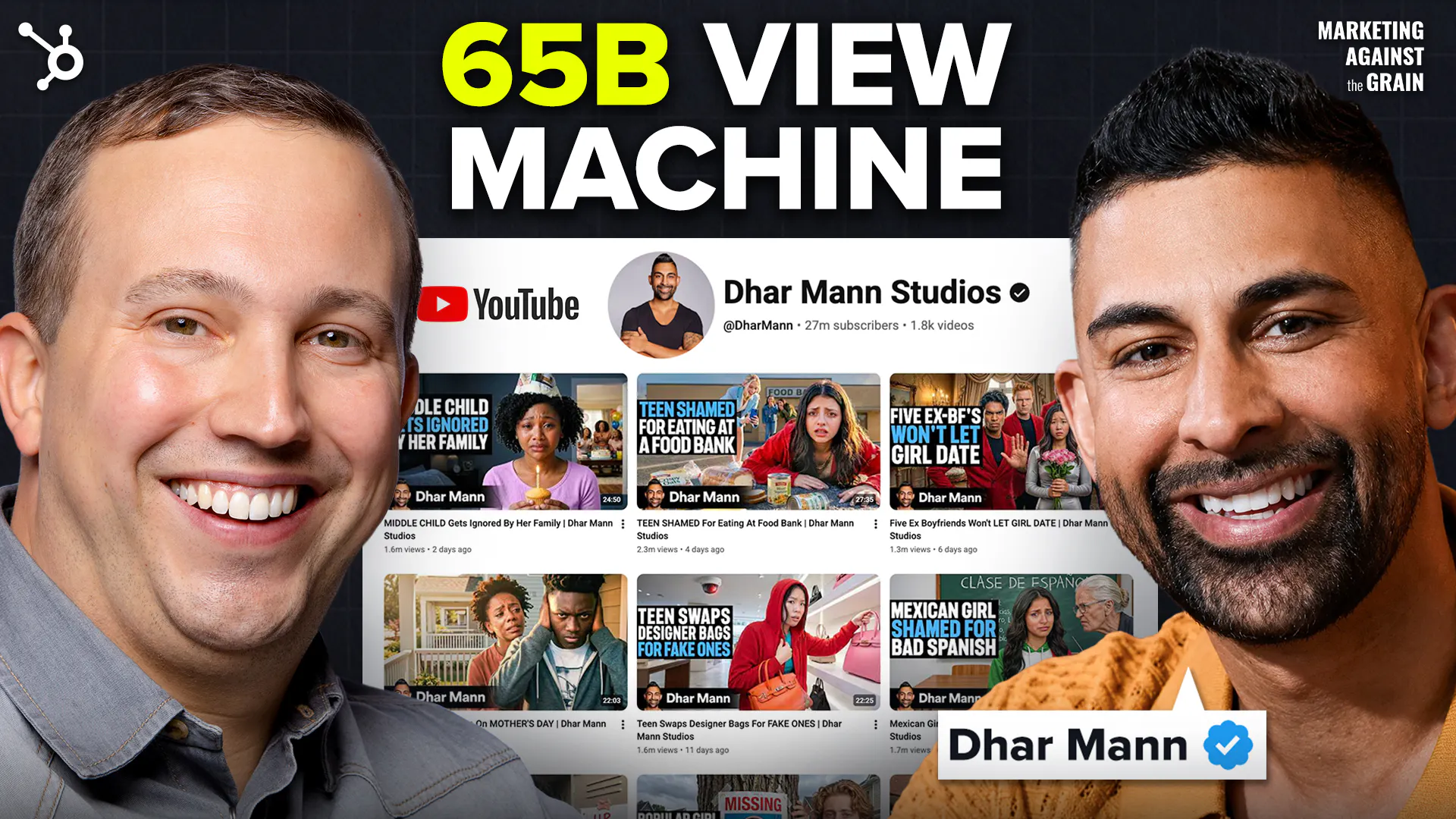
Dhar Mann chose to forgo lucrative "spectacle-based" content that chases short-term views. By staying true to his mission of heartfelt storytelling, he built a unique brand that became more valuable to partners seeking genuine emotional connection. This long-term strategy ultimately led to a 10x growth in brand deals.
The founders are extremely selective, rejecting most potential partnerships and opportunities. This discipline ensures every decision aligns with their long-term vision and values, preventing brand dilution and allowing them to grow in a way that feels organic and intentional.