Get your free personalized podcast brief
We scan new podcasts and send you the top 5 insights daily.
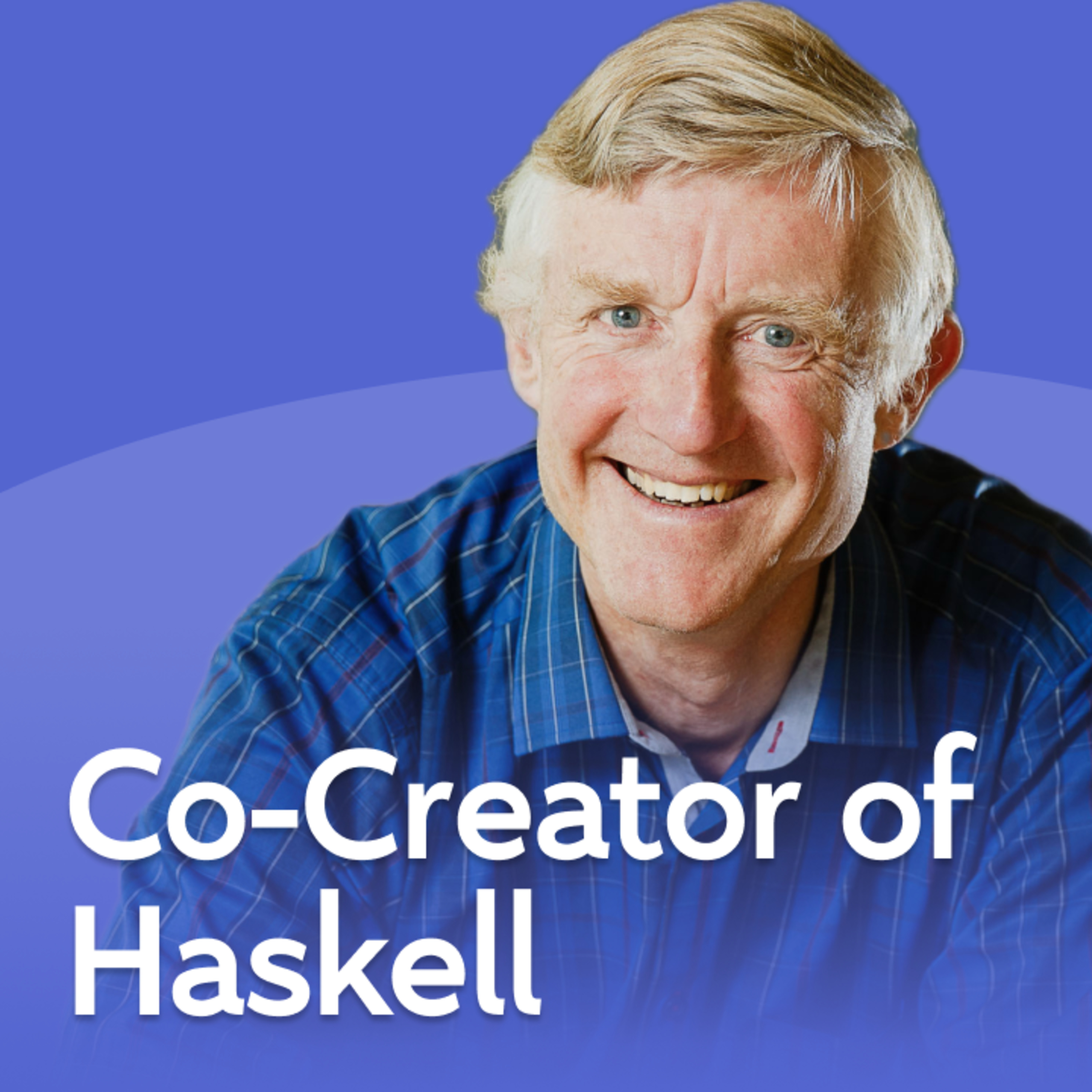
This phrase can be read two ways: "avoid success, whatever the cost," or "avoid the kind of success that comes at the cost of your principles." For Haskell, it meant not compromising core ideas for mass appeal. It also warns that too many users can create immense backward-compatibility pressure, hindering future innovation.
Related Insights
Saying 'no' to product ideas is often contentious. At GitHub, the process is simplified by first 'seeking the truth'—rigorously assessing if an initiative aligns with the team's definition of success. If it doesn't, the 'no' becomes an objective, logical conclusion rather than a subjective or political decision.

Founders often mistake their preferences for principles. A true principle is a non-negotiable rule you adhere to regardless of the trade-offs (e.g., 'always do things the right way'). A preference is a desired path you're willing to abandon when circumstances change (e.g., 'prefer not to build a sales team yet'). Clarifying this distinction leads to more consistent and high-integrity decisions.

Making a product more accessible may boost short-term popularity and revenue. However, this often involves changing the very qualities that the most dedicated fans love, leading to long-term decline as the passionate, loyal base erodes.

The values and tradeoffs that help a startup achieve initial growth (e.g., "move fast, break things") become liabilities with a large user base. Rapid growth requires revisiting core principles to focus on stability and trust.
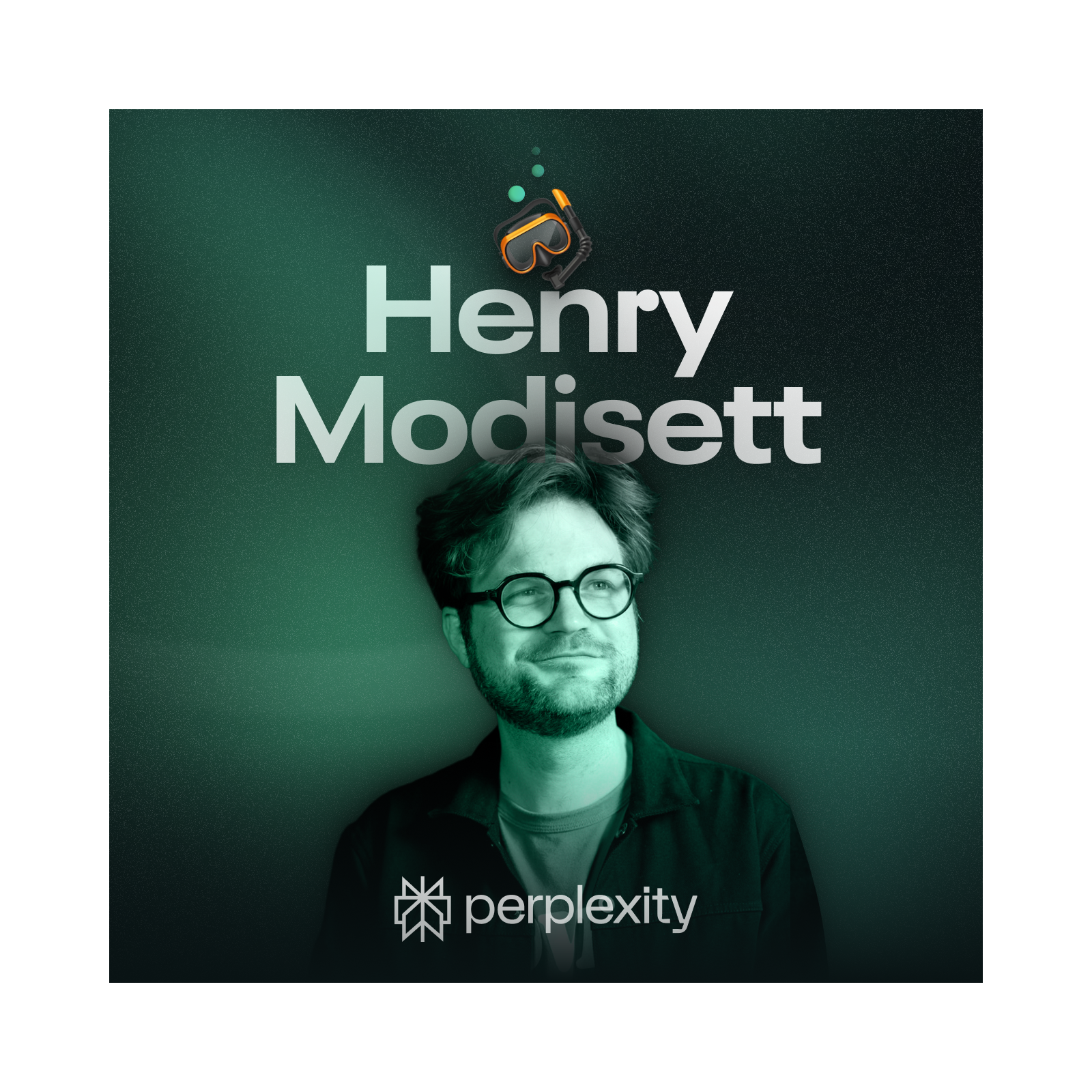
A core tenet of Panos Panay's product philosophy is that if a new product or feature receives universal praise, the team didn't push the boundaries of innovation far enough. True progress involves making trade-offs and potentially alienating a segment of users, while delighting the target majority.

Unlike languages like C which started as useful but unsafe, Haskell began with extreme safety and theoretical purity, even lacking I/O initially. This forced its designers to invent new, principled ways to handle side effects (like monads), ensuring the language evolved towards usefulness without sacrificing its core value of safety.
Founders often believe success will bring ease and happiness, but building meaningful things is a constant, hard grind. The goal shouldn't be happiness, which is fleeting, but contentment—the deep satisfaction derived from tackling important problems. The hardness itself is a privilege to be embraced.
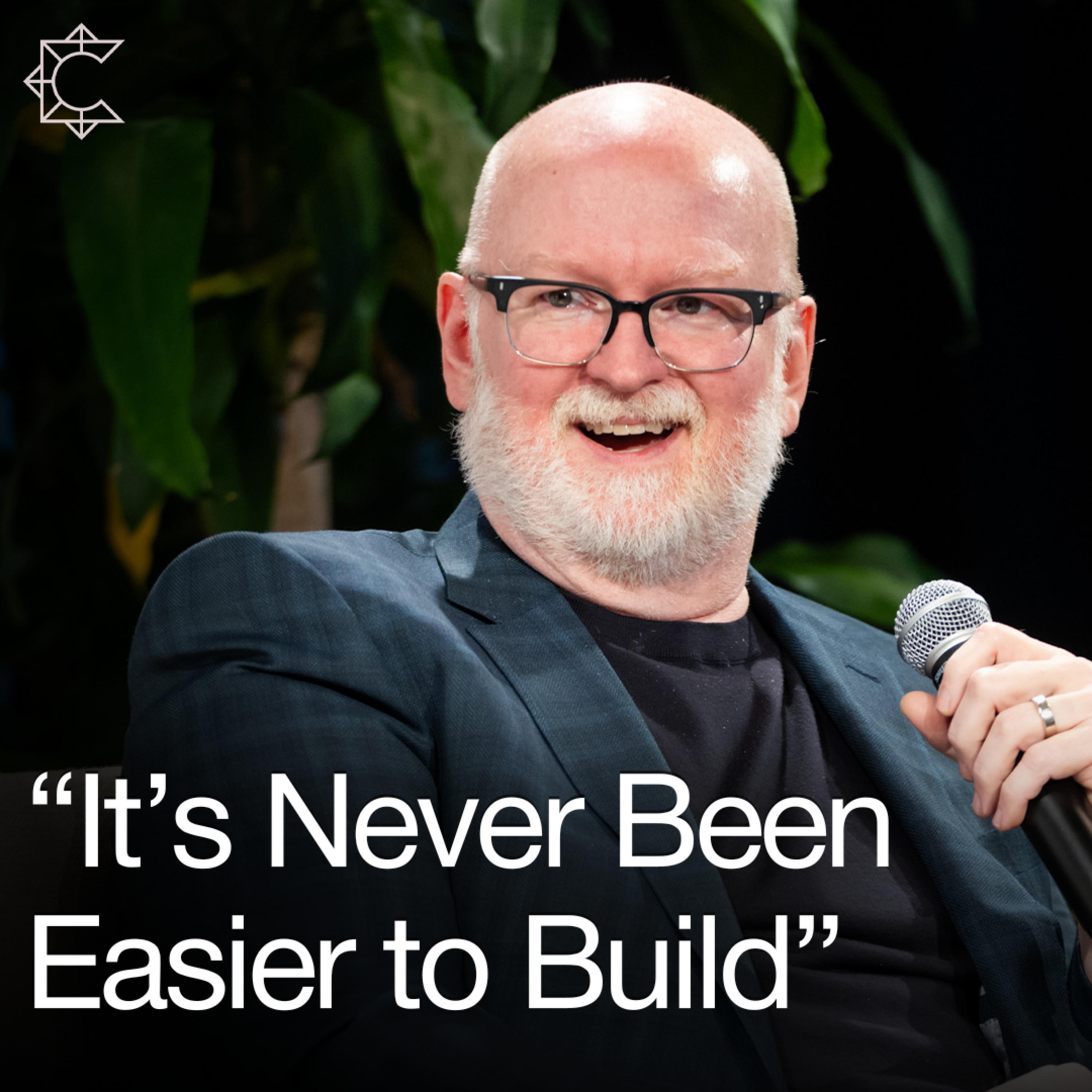
A core operating principle at Mandiant was that any business practice—from hiring to compensation—had to be sustainable for the long term. This prevents creating one-off deals or special roles that disrupt culture and prove impossible to maintain as the company scales.
OpenGov's CEO argues against the "never compromise" mantra. Building a business over a decade is a long series of painful compromises on talent, pricing, and sales. You must make tactical concessions to survive each stage and earn the right to advance.

The pursuit of consensus is a dangerous trap for leaders aiming for standout success. Achieving breakthroughs requires the strength to proceed based on intellectual conviction, even amidst friction and criticism. This means accepting that you cannot please everyone and that some will inevitably disagree with your path.
![Luca Ferrari - Building Bending Spoons - [Invest Like the Best, EP.446] thumbnail](https://megaphone.imgix.net/podcasts/b29cbd80-b93a-11f0-a1b7-2b977c9469a2/image/39f7864ea628f71a81b94662bd4a86df.jpg?ixlib=rails-4.3.1&max-w=3000&max-h=3000&fit=crop&auto=format,compress)