Get your free personalized podcast brief
We scan new podcasts and send you the top 5 insights daily.
OpenGov's CEO argues against the "never compromise" mantra. Building a business over a decade is a long series of painful compromises on talent, pricing, and sales. You must make tactical concessions to survive each stage and earn the right to advance.

Related Insights
OpenGov's CEO advises against the conventional wisdom of hiring salespeople with deep government experience. Instead, his company seeks hungry, courageous, and disciplined individuals and trains them internally on domain specifics, finding this approach more effective.
Founders often mistake their preferences for principles. A true principle is a non-negotiable rule you adhere to regardless of the trade-offs (e.g., 'always do things the right way'). A preference is a desired path you're willing to abandon when circumstances change (e.g., 'prefer not to build a sales team yet'). Clarifying this distinction leads to more consistent and high-integrity decisions.

After nearly failing, OpenGov adopted a frugal culture and discovered it grew faster. Less spending reduces system noise and inefficiency. A leaner, more focused sales team, for instance, can become more motivated and effective, leading to better results.
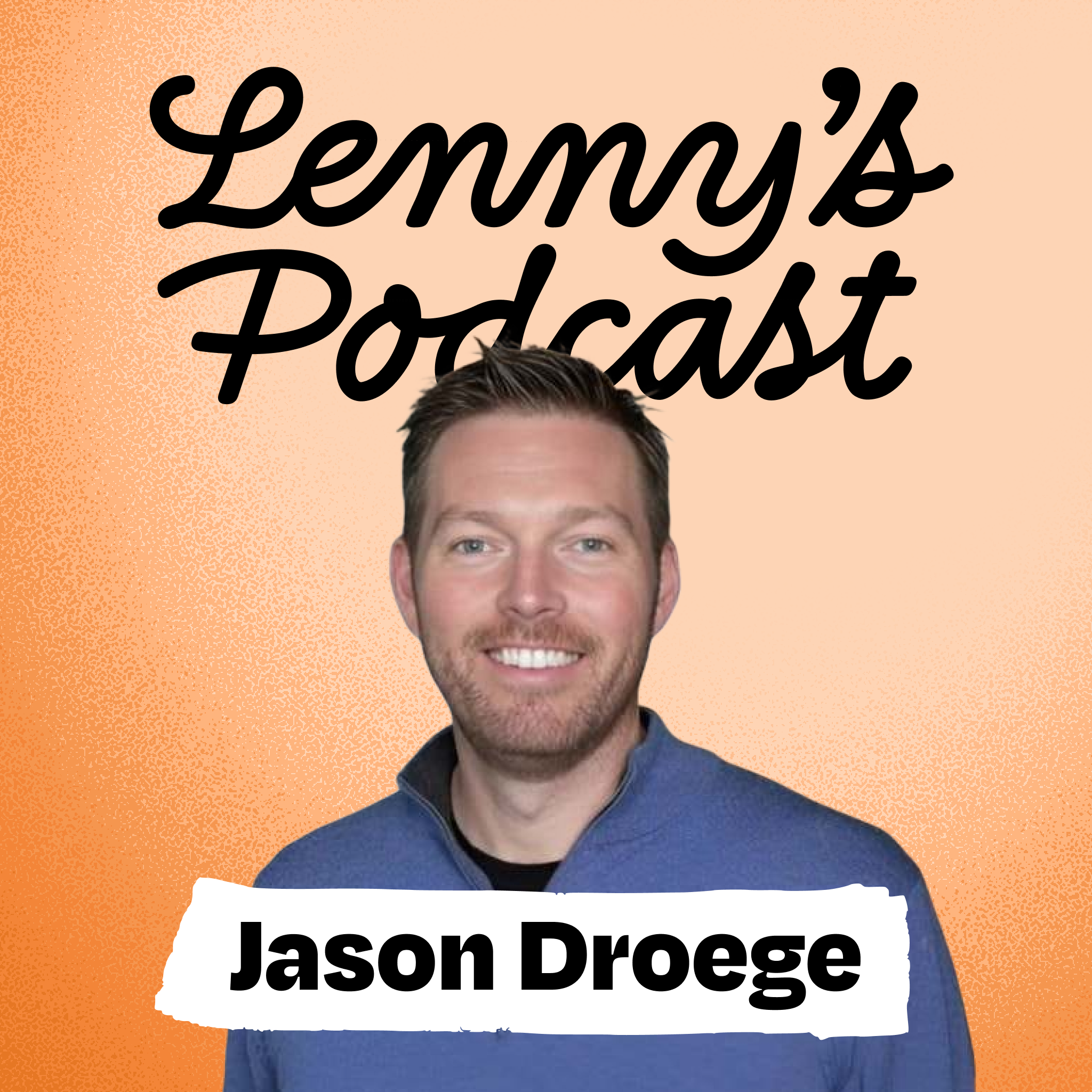
Co-founding Scour with Travis Kalanick taught Jason Droege that business has no fixed playbook. From wild VC negotiations to legal battles, he learned that if you can imagine a path and align incentives, you can negotiate your way through almost any obstacle.
Founders often equate constant hustle with progress, saying yes to every opportunity. This leads to burnout. The critical mindset shift is recognizing that every professional "yes" is an implicit "no" to personal life. True success can mean choosing less income to regain time, a decision that can change a business's trajectory.

Technically-minded founders often believe superior technology is the ultimate measure of success. The critical metamorphosis is realizing the market only rewards a great business model, measured by revenue and margins, not technical elegance. Appreciating go-to-market is essential.

A visionary founder must be willing to shelve their ultimate, long-term product vision if the market isn't ready. The pragmatic approach is to pivot to an immediate, tangible customer problem. This builds a foundational business and necessary ecosystem trust, paving the way to realize the grander vision in the future.
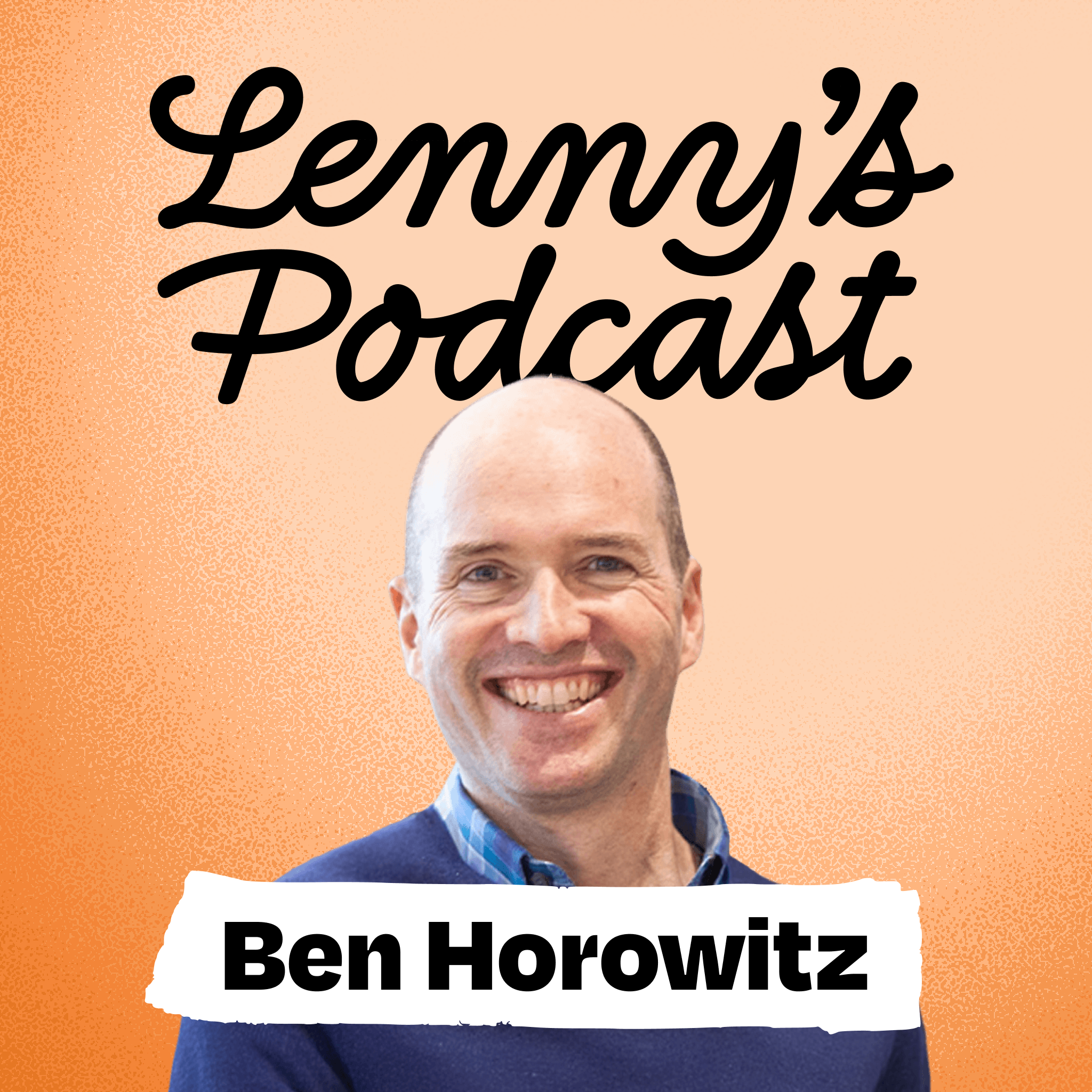
The most paralyzing decisions for a leader aren't clear-cut choices but dilemmas where every path is painful. Ben Horowitz's decision to take his company public with minimal revenue was a bad idea, but the alternative—bankruptcy—was worse. The key skill is choosing the 'slightly better' path in the abyss, despite the guaranteed negative feedback.
A business decision aims to gamify and optimize a specific outcome. A principle decision is based on core values, made without knowing the outcome, to be remembered favorably regardless of the result. Sticking to principles may mean losing a short-term battle but ultimately wins the war by building trust.
Bumble's founder believes the initial, all-consuming obsession is critical for getting a startup off the ground. However, this same intensity becomes a liability as the company matures. Leaders must evolve and create distance to gain the perspective needed for long-term growth and to avoid stifling opportunity.
