Get your free personalized podcast brief
We scan new podcasts and send you the top 5 insights daily.
While autocratic regimes dismantled the Muslim Brotherhood's power, its exiled remnants have failed to regroup. Consumed by infighting and issuing contradictory statements from hubs like London and Turkey, this internal paralysis is as damaging as external oppression, undermining any coherent response to their organization's decline.

Related Insights
The United States has sharpened its stance against the Muslim Brotherhood, moving beyond suspicion to officially placing it alongside ISIS and al-Qaeda in its counterterrorism strategy. This rhetorical and policy shift provides encouragement and international cover for autocratic Middle Eastern governments to intensify their own suppression of the group.
Meaningful reform in Iran is unlikely until the succession of the 86-year-old Supreme Leader is resolved. Deep uncertainty over who will hold power paralyzes the political system, preventing any faction from making significant changes and forcing the country into a holding pattern until the leadership transition occurs.
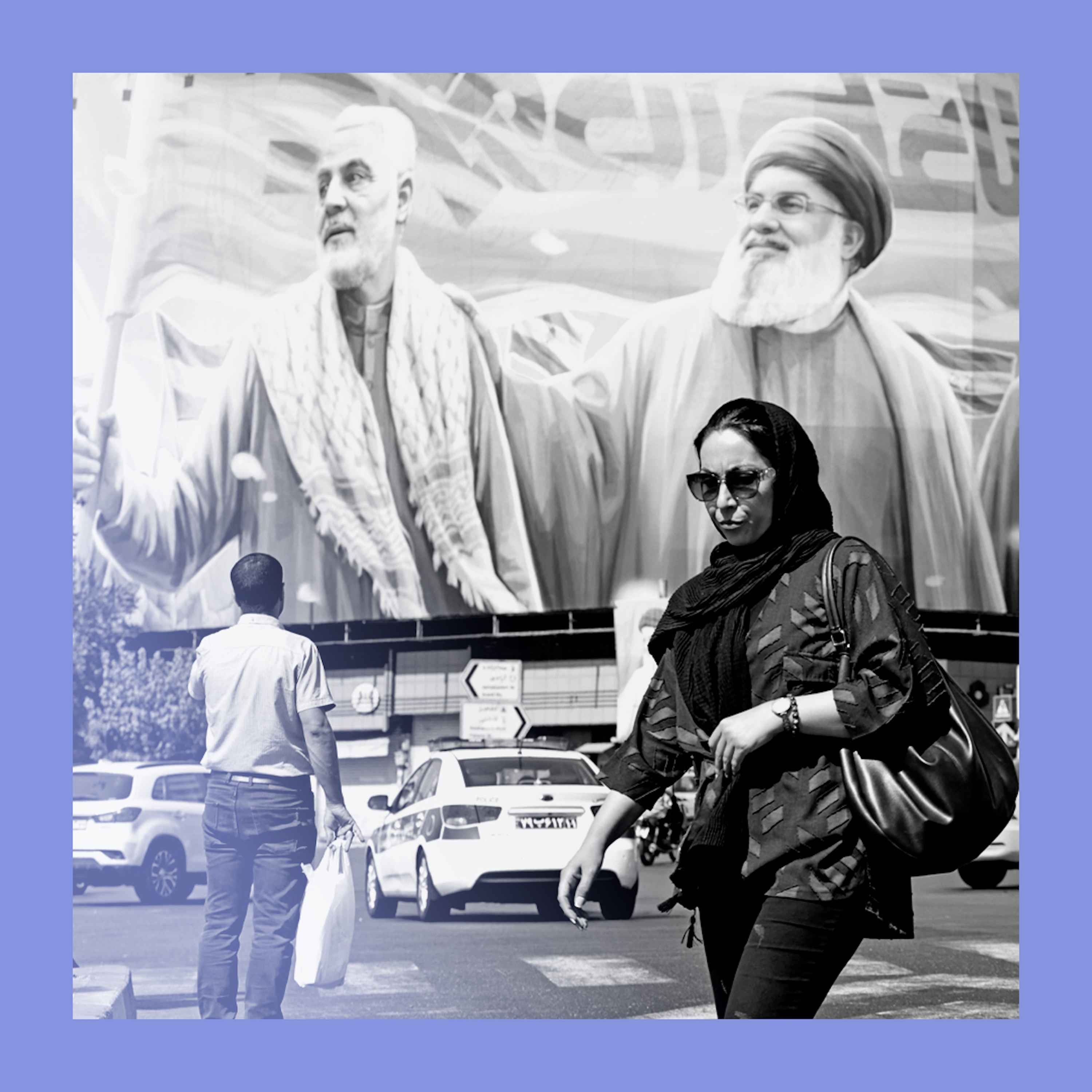
When a political movement is out of power, it's easy to unify against a common opponent. Once they gain power and become the establishment, internal disagreements surface, leading to factions and infighting as they debate the group's future direction.

In mass movements and wars of attrition, having a charismatic leader is less critical than having a clearly defined enemy. As long as a figure like "the West" or the U.S. can be framed as the devil, the movement can sustain itself, even without a central figurehead to rally around.

Historical revolutions, like Iran's in 1979, are not clear-cut events with a predetermined winner. For years, they exist in a state of flux with multiple factions competing for control. The eventual outcome is only obvious in hindsight, not to those living through the uncertainty.

The most potent threat to an authoritarian regime comes not from visible dissidents, who are often neutralized, but from patriotic loyalists within the system. These insiders believe the current leadership is corrupt and harming the country, making their patriotism a powerful tool that can be turned against the regime.

Rebuilding a nation after decades of repressive rule is a monumental task, often taking a decade or more. In the modern era, social media exacerbates the challenge by amplifying divisive voices and making the national consensus required for a stable transition nearly impossible to achieve.

Dictatorships appear strong because they control the state apparatus and outlaw opposition. However, this same structure makes them weak. Their fundamental illegitimacy means they haven't been truly tested and are plagued by internal paranoia and a lack of trust, creating significant vulnerabilities.
![Darren Farber on Iran, China, and the Rise of Neoprimes - [Invest Like the Best, EP.474] thumbnail](https://megaphone.imgix.net/podcasts/ef669774-cccd-11ed-889b-c36caad6646f/image/158efdddfb983d2678b3530d484e8aa2.jpg?ixlib=rails-4.3.1&max-w=3000&max-h=3000&fit=crop&auto=format,compress)
A dictator's attempts to consolidate power by purging potential rivals are counterproductive. This strategy creates a culture of fear where subordinates are too afraid to deliver bad news, isolating the leader from ground truth. This lack of accurate information increases the risk of catastrophic miscalculation and eventual downfall.

Authoritarian leaders deliberately foster competition and division among their security services. This prevents any single group from becoming powerful enough to stage a coup, but it also creates deep-seated animosities and disaffection that external actors can exploit to destabilize the regime.