Get your free personalized podcast brief
We scan new podcasts and send you the top 5 insights daily.
Pain has two components: sensory ("ouch") and affective ("I hate this"). Tylenol works on the affective component, making you care less about the pain. Studies show this is why it can reduce the emotional suffering from social rejection and breakups.

Related Insights
The brain maintains balance by counteracting any deviation to the pleasure side with an equal and opposite reaction to the pain side. This opponent process is why we experience hangovers and why chronic indulgence leads to a dopamine deficit state, driving us to use more just to feel normal.

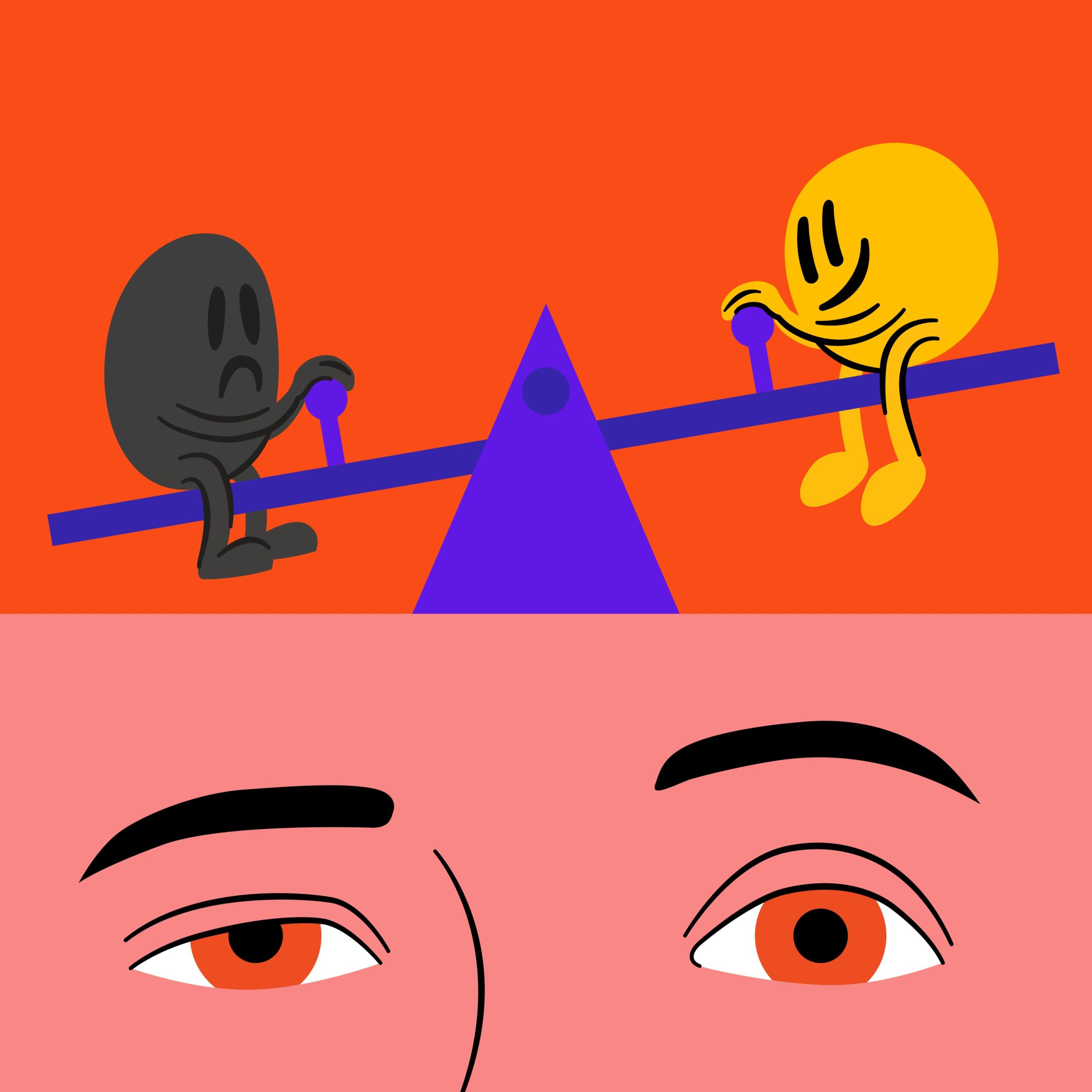
Neuroscience shows pleasure and pain are co-located in the brain and work like a seesaw. When we experience pleasure, the brain immediately compensates by tilting towards pain to restore balance. This neurological 'come down' is why constant pleasure-seeking eventually leads to a state of chronic pain and craving.
Listening to sad music when you're sad isn't self-indulgent; it's therapeutic. It stimulates the brain's right hemisphere, which processes aesthetics, helping you to better understand your confusing emotions and facilitating the healing process.
During REM sleep, the brain is in a unique state where the stress neurochemical noradrenaline is completely shut off. This allows the brain to reprocess difficult emotional experiences without the anxiety response, effectively stripping the painful charge from the memory itself.

The feeling of falling out of love can be a side effect of chronic work stress, which acts as an emotional anesthetic. This numbness extends to your home life, making you incapable of feeling love and leading you to mistakenly believe your partner or your feelings for them have changed.

Most pain during intense exertion isn't a direct measure of physiological damage, but the brain's predictive mechanism to prevent harm. You can manage this by resetting the brain's expectations with small sensory changes, like how runner Elliot Kipchoge smiles when he's hurting to trick his brain into feeling okay.

When men report feeling numb, it is a common misinterpretation to see it as an absence of emotion. In reality, numbness is a psychological defense mechanism signaling that the emotional system is overwhelmed and has gone into shutdown. It is a sign of emotional fullness, not vacancy.
Constantly bombarding our reward pathways causes the brain to permanently weigh down the 'pain' side of its pleasure-pain balance. This alters our baseline mood, or 'hedonic set point,' meaning we eventually need our substance or behavior not to get high, but simply to escape a state of withdrawal and feel normal.
Chronic physical pain can be energetically tied to unresolved self-blame. By looking in a mirror and repeating phrases like "I'm sorry, I forgive you," one can release the emotional block, leading to an immediate and dramatic reduction of physical pain that medicine couldn't touch.

The brain maintains a pain-pleasure balance. Constantly triggering pleasure (dopamine) causes the brain to overcompensate by activating pain pathways, leading to a chronic dopamine-deficient state that manifests as anxiety, irritability, and depression.